
Planting
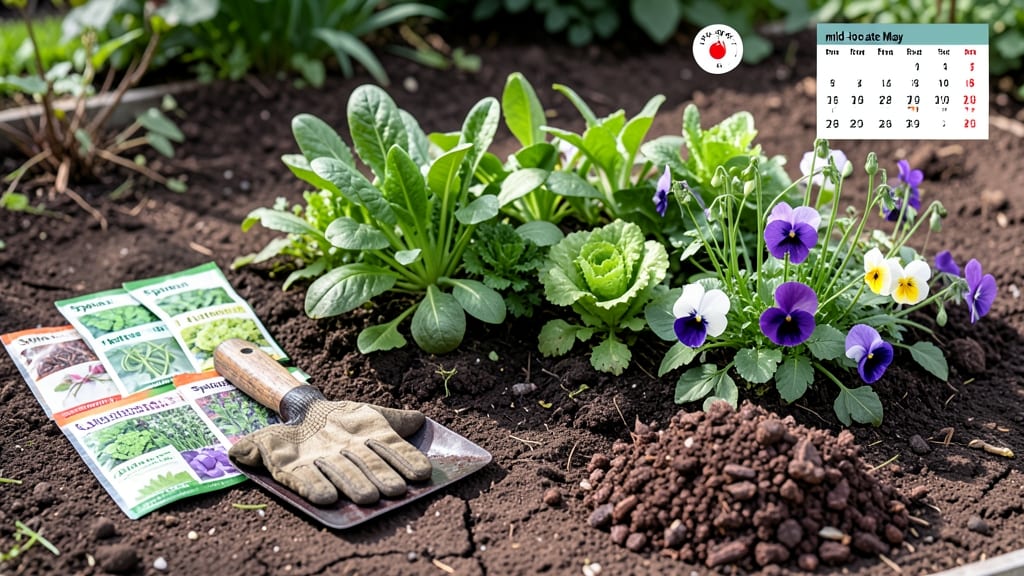
Planting a garden in Michigan depends on precise timing to beat frost and maximize harvests—cool-season crops go in 2-4 weeks before your last spring frost, while warm-season plants wait until 2-3 weeks after.
Michigan’s climate throws curveballs: a late frost in May or an early chill in September can turn a perfect planting window into a gamble.
That’s why knowing your USDA zone (5b-6b) and local frost dates—whether you’re in Detroit or the Upper Peninsula—is the key to avoiding wilted seedlings or stunted yields.
This guide breaks down the exact month-by-month schedule for everything from lettuce to tomatoes, plus pro tips to stretch your growing season with row covers and succession planting. No more guessing—just data-driven timing for bigger, healthier harvests.
Ready to dig in? We’ll start with frost-date math by region, so you can plant with confidence—no matter whether spring arrives early or late.
Michigan frost dates by region: the exact timeline for planting
Michigan’s 11 distinct gardening zones create wildly different frost timelines—what’s safe in Detroit (Zone 6a) might freeze in Traverse City (Zone 5b) just weeks later. Understanding these frost date ranges lets you plan cool-season crops like spinach for early spring or warm-season crops like tomatoes for peak summer.
I’ve broken down the average last spring frost (when it’s safe to plant frost-sensitive veggies) and first fall frost (your final harvest deadline) for each region, plus actionable planting windows for your most-loved crops. Pro tip: Use row covers to push these dates by 2–4 weeks if needed!
For cool-season crops like lettuce, peas, and spinach, I recommend planting 4–6 weeks before your last frost date. These hardy veggies thrive in 50–60°F soil and can even handle light frosts.
In the Upper Peninsula, that means starting seeds indoors by March 1, while Detroit gardeners can direct-sow as early as late February under row covers.
Warm-season crops—think tomatoes, peppers, and cucumbers—need soil temps above 60°F and frost-free nights. Wait until 2–3 weeks after your last frost date to plant these heat-lovers. In Traverse City, that’s around May 20, while Southeast Michigan can start as early as April 25 for fast-maturing varieties.
Fall planting is just as critical—broccoli, kale, and carrots planted in August will sweeten up after a light frost. Aim to sow 8–10 weeks before your first fall frost.
In Zone 5a, that’s July 1–July 15, while Zone 6b gardeners can extend harvests until September 15.
Remember: These dates are averages. Check your local Michigan State University Extension reports for updates—some years, late May frosts can delay planting by weeks. For extra protection, use frost cloth or a mini greenhouse to safeguard seedlings until soil warms up.
Pro move: Bookmark this timeline and adjust yearly based on your microclimate.
When to plant specific vegetables in Michigan (by month)
Michigan’s short growing season demands precision—planting too early risks frost damage, while waiting too late cuts harvests short. The key? Matching soil temperatures and frost dates to each crop’s needs.
In most of Michigan, aim for 2-3 weeks after the last frost (typically May 15) for warm-season crops, but cool-season veggies can go in 2-4 weeks before.
Soil temperature is your best guide: warm-season crops like tomatoes and peppers need 60°F+ soil, while cool-season crops like lettuce and spinach thrive in 40-50°F. Use a soil thermometer—it’s the difference between thriving plants and wasted seeds. For frost-sensitive varieties, consider row covers to push limits safely.
🌱
| Crop | Best Planting Month | Soil Temp (°F) | Frost Sensitivity | Harvest Window |
|---|---|---|---|---|
| Tomatoes | May–June (or start indoors Mar) | 60°F+ | High (dies at 32°F) | July–October |
| Peppers | May–June (start indoors Feb) | 65°F+ | Very High | August–Frost |
| Lettuce | March–April (fall: Aug–Sept) | 40–50°F | Low (tolerates light frost) | May–June (fall: Sept–Oct) |
| Green Beans | May–June (fall: July) | 55°F+ | Moderate | July–September |
| Carrots | April–May (fall: July–Aug) | 50–60°F | Low | June–October |
| Zucchini | May–June | 60°F+ | High | July–September |
For warm-season crops, like tomatoes and peppers, wait until soil temperatures hit 60°F+—usually late May in most of Michigan.
Start seeds indoors 6-8 weeks before the last frost (around March 15) for a head start. Peppers are especially finicky; they need 65°F+ soil and consistent warmth to thrive.
Cool-season crops like lettuce and spinach can handle light frosts and even thrive in cooler temps. Plant them 2-4 weeks before the last frost (around April 1) for an early harvest.
For a fall crop, sow seeds in late July to August—they’ll mature before frost hits in October.
Don’t overlook succession planting! Crops like radishes and bush beans mature quickly (in 30-50 days), so plant them