
How To
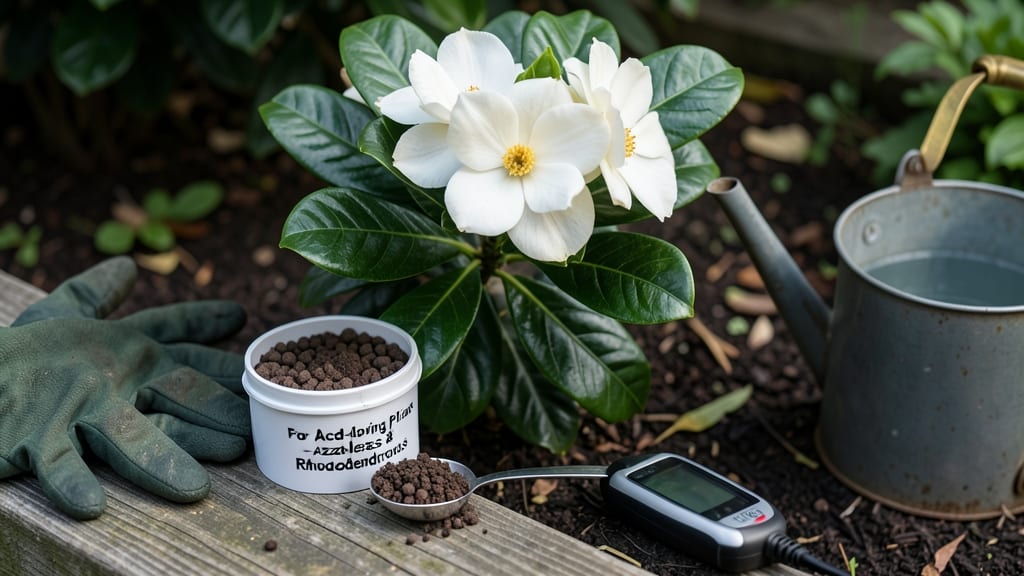
To fertilise gardenias at the perfect times means the difference between fragrant blooms and sad, stunted shrubs 🌸 — and the key is knowing when to feed, not just what to use.
Picture this: You’ve waited all winter for your gardenias to wake up, only to see new growth slow down or—worse—no flowers at all. That’s usually a sign you missed the two critical feeding windows that keep them thriving.
Timing matters more than most gardeners realize, especially in USDA Zones 6-10 where seasons shift dramatically.
In this guide, I’ll break down exactly when to fertilise—spring for a burst of growth, fall to prep for dormancy—and how climate zones can tweak that schedule. You’ll also learn how to spot over- or under-fertilising (yes, there’s a difference!) and which fertiliser types work best for these acid-loving beauties.
By the end, you’ll have a seasonal fertilising plan that turns your gardenias into blooming powerhouses, year after year. Let’s get started.
Best times to fertilise gardenias for peak blooms
Timing your gardenia fertilisation is the secret to those fragrant white blooms you crave. These acid-loving shrubs thrive when fed during their active growth phases, but the wrong schedule can lead to burned roots or wasted nutrients.
The key is understanding their natural growth cycles and how your local climate affects those rhythms.
Gardenias follow a spring-to-fall feeding window that aligns with their dormancy periods. In USDA Zones 6-10, this means two critical fertilisation windows: early spring (March-April) to kickstart growth, and early fall (September-October) to strengthen roots before winter.
But if you live in warmer climates like Zone 10, your fall window might extend into November.
Apply balanced acid fertilizer (6-6-6 or 8-3-9) when new leaves emerge after dormancy. This fuels stem elongation and bud formation for summer blooms.
Switch to low-nitrogen fertilizer (3-1-2 ratio) to encourage blooming rather than leafy growth. Feed every 6 weeks during active flowering.
Apply a light feeding (half-strength) to strengthen roots before dormancy. Stop by mid-October in cooler zones to avoid late-season growth that can frost damage.
No fertilisation needed—gardenias enter dormancy. Focus on mulching (2-3 inches) to protect roots from freezing temps.
In Zone 10+, fertilise year-round lightly (every 8 weeks). In Zone 6-7, delay spring feeding until after last frost (typically mid-April).
Your local climate dictates precise timing. In tropical zones (Zone 10), gardenias grow year-round, so you can fertilise every 8 weeks with a low-nitrogen blend (3-1-2 ratio). But in temperate zones (Zone 6-7), wait until after the last frost—usually mid-April—before applying your first spring feed.
Pro tip: Use a soil thermometer to confirm soil temps are above 55°F before fertilising.
Many gardeners make the mistake of fertilising in summer to boost blooms, but this can stress the plant during peak heat. Instead, focus on consistent watering and light feeding (every 6-8 weeks) with a phosphorus-rich formula (like 6-12-6) to support flower development.
Pair this with morning watering to prevent fungal issues from afternoon humidity.
For organic gardeners, composted pine needles or peat moss make excellent slow-release fertilizers. Work these into the top 4 inches of soil in spring and fall.
Synthetic options like Miracle-Gro Azalea/Camellia are convenient but may require more frequent applications. Always follow the label’s half-strength recommendation for gardenias to avoid root burn.
Watch your gardenia’s growth cues to fine-tune timing. If you see new leaf flush in late winter, that’s your signal to fertilise. Conversely, if buds form in late summer (unusual but possible in warm climates), reduce feeding to avoid leggy growth at the expense of blooms.
The goal is balanced nutrition—not just more of it.
One common misconception is that more fertilizer equals more blooms. In reality, over-fertilising with nitrogen leads to leafy growth at the cost of flowers. Stick to the spring-fall schedule and adjust based on your plant’s visual feedback.
A healthy gardenia should have glossy dark green leaves and plump buds—not yellowing foliage or sparse blooms.
To maximise results, pair fertilisation with proper pruning. After your fall feeding, prune back dead or crossing branches to improve airflow. This reduces disease risk and helps the plant focus energy on root development over winter. In
How to choose the right fertiliser for gardenias
Gardenias thrive when fed with the right nutrients at the right time. Since they’re acid-loving plants, their fertiliser must include low nitrogen and high micronutrients, especially iron and magnesium.
Choosing the wrong formula can lead to yellow leaves or poor blooming, so let’s break down your options.
First, organic fertilizers like composted pine needles or peat moss are ideal because they slowly release nutrients while maintaining soil acidity. Synthetic options, such as 6-6-6 or 8-3-9 acid-loving plant food, work well but require careful application to avoid over-fertilising.
Always check the pH level of your soil—gardenias prefer 5.0-6.0.
Micronutrient deficiencies are common in gardenias. For example, yellow leaves with green veins signal iron deficiency, while purple stems mean phosphorus is lacking. A balanced chelated iron supplement can correct these issues quickly. Avoid high-nitrogen fertilisers, which promote leafy growth at the expense of fragrant blooms.
| Fertiliser Type | Best For | Application Rate | Frequency |
|---|---|---|---|
| Organic (Compost/Pine Needles) | Slow-release nutrients, soil acidity | 1 cup per plant (spring/fall) | Every 6-8 weeks |
| Synthetic (6-6-6 or 8-3-9) | Quick nutrient boost, blooms | 1 tbsp per plant (spring/fall) | Every 4-6 weeks |
| Chelated Iron Supplement | Corrects yellowing leaves | 1 tsp per gallon of water | Monthly (if deficient) |
| Slow-Release Granules | Long-term feeding, convenience | 2 tbsp per plant (spring) | Once per season |
To avoid over-fertilising, always follow the label instructions and reduce feeding in summer heat or dormant months. Overdoing it can cause leaf burn or root damage. Instead, focus on light, frequent applications during the growing season (spring to early fall).
Mix your fertiliser into the top 2-3 inches of soil and water deeply afterward to help nutrients reach the roots. For container gardenias, use a half-strength solution to prevent salt buildup. Always water before fertilising to avoid root damage from concentrated nutrients.
Finally, monitor your gardenia’s response. If you see new green leaves and buds, you’re on the right track. If blooms are sparse or leaves yellow, adjust your fertiliser type or schedule. With the right approach, your gardenias will reward you with luxurious, fragrant blooms all season long. 🌸