
Picking
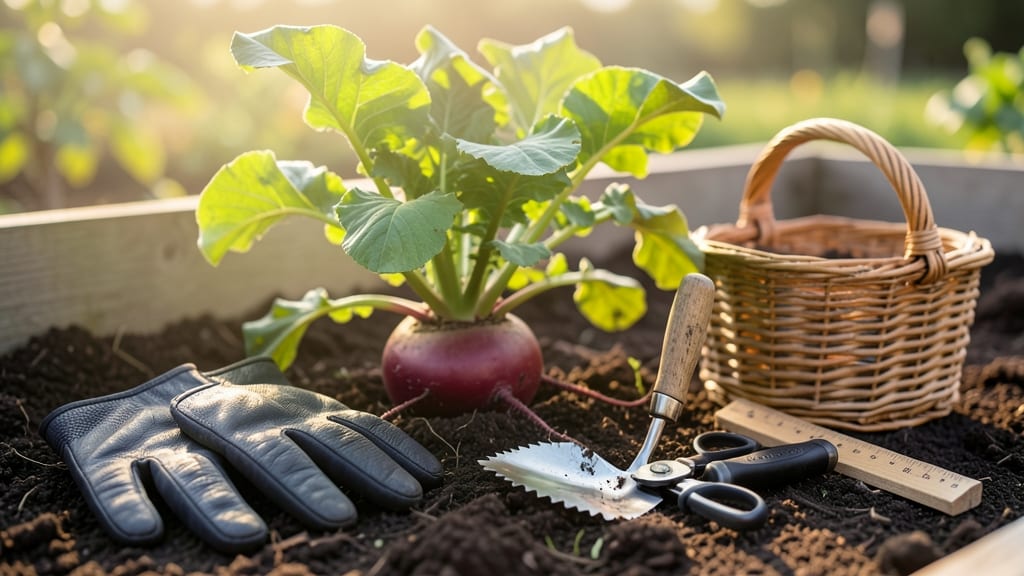
Knowing when to harvest beets from the garden ensures they’re sweet, tender, and packed with flavor—so timing matters more than you might think.
Picture this: you’ve nurtured your 🍠 beets all season, and now the moment of truth arrives. One wrong move, and you’re left with tough, woody roots instead of the crisp, vibrant harvest you’re after. The key? Knowing when those roots are ready to pull.
Beets are ready when their roots reach 1 to 3 inches in diameter, depending on the variety, and their greens are a deep, healthy green. But don’t wait too long—once they get larger, they turn fibrous and lose that perfect texture.
Even soil temperature plays a role: cooler weather sweetens them faster.
In this guide, I’ll walk you through the exact signs to watch for—from root size to leaf color—and share the best times of day and season to harvest for peak flavor. No more guesswork, just perfect beets every time!

How to determine the perfect size for harvesting beets
Harvesting beets at the right size ensures maximum sweetness and tender texture. Unlike many vegetables, beets don’t all ripen at once, so checking individual roots is key. The ideal harvest window depends on whether you prefer baby beets (small and delicate) or mature beets (larger, earthier flavor).
Even the leafy greens can be harvested separately for salads!
Start by examining the root diameter—this is your best indicator. For baby beets, aim for 1 to 1.5 inches in diameter. These are perfect for quick-cooking dishes and have a sweeter, milder taste.
If you’re growing heirloom varieties like Chioggia or Golden Beets, wait until they reach 2 to 3 inches for a richer flavor profile.
Leaf health also signals readiness. Vibrant, deep green leaves mean your beet is thriving, while yellowing or wilted foliage suggests it’s past its prime. The top greens should be 6 to 12 inches tall—if they’re shorter, the root likely needs more time. However, if the leaves are over 12 inches, the root may already be woody.
Don’t rely solely on days since planting—soil conditions and variety differences play a huge role. Some varieties, like Detroit Dark Red, mature faster (around 50 days) than others like Bull’s Blood, which can take up to 70 days.
Always dig up one beet to check its size before harvesting the whole patch.
| Beet Type | Root Size | Leaf Height | Days to Harvest | Flavor Profile |
|---|---|---|---|---|
| Baby Beets | 1–1.5 inches | 4–6 inches | 45–50 days | Sweet, tender |
| Small Mature | 1.5–2 inches | 6–9 inches | 50–60 days | Balanced sweetness |
| Large Mature | 2–3+ inches | 9–12+ inches | 60–70 days | Earthy, robust |
| Overripe | 3+ inches (woody) | 12+ inches (yellowing) | 70+ days | Bitter, tough |
The texture of the skin is another clue. A smooth, firm surface means the beet is ready, while a rough or cracked skin suggests it’s overripe. Gently squeeze the root—if it feels soft or spongy, it’s past its peak.
For Chioggia beets (the striped ones), the rings should be clearly visible and tight.
Harvesting in the morning after a light watering makes the process easier. Use a garden fork to loosen the soil around the root, then grasp the greens and pull gently.
If the beet resists, it’s not ready yet—leave it in the ground for another week. Never harvest by cutting; this can damage the root and invite pests.
For continuous harvests, plant beets in succession every 2 weeks throughout the growing season. This ensures a steady supply of fresh, tender beets. If you’re growing greens separately, snip the outer leaves when they’re 6 inches tall, leaving the center to keep producing.
Pro tip: Cook your beets immediately after harvesting for the best flavor. Stored beets (even in the fridge) develop a softer texture and slightly less vibrant color. For long-term storage, cure them by leaving them in a cool, dark place for a few days before refrigerating.
Remember, size isn’t everything. A 1-inch beet can be sweeter than a 3-inch one if it’s harvested at the right moment. Always prioritize firmness, color, and ease of removal over strict measurements. Happy harvesting!
Signs your beets are overripe—and how to fix it
Even the most attentive gardeners can miss the harvest window for beets, leaving you with woody, tough roots that lack sweetness. Overripe beets not only lose their desirable texture but can also develop a hollow center, making them less enjoyable to eat.
The good news? You can often salvage them—or prevent this issue entirely—by recognizing the warning signs early.
One of the first clues your beets are overripe is their size and shape. While baby beets (1–2 inches in diameter) are ideal for tender greens and roots, mature beets should max out at 2.5–3 inches.
If your beets exceed this size, their flesh may turn fibrous, and the center can become spongy or hollow. This happens because the plant shifts energy from root development to seed production, leaving the root underdeveloped.
Another red flag is the appearance of the greens. Healthy beet greens should be vibrant and deep green, but overripe plants often show yellowing or wilting leaves.
The leaves may also become bitter-tasting if left too long in the ground. If you notice these changes, it’s a clear sign your beets have passed their prime.
⚠️ callout-warning🚨 When to Harvest Beets to Avoid Overripeness
Harvest beets when their roots reach 1–3 inches in diameter—this ensures tender, sweet flesh. For baby beets, aim for 1–2 inches; for mature varieties, stop at 2.5–3 inches. Check soil temperature: cooler weather (60–70°F) speeds up sweetness, while hotter soil can make beets tougher.
💡 Pro Tip: Gently tug on the greens—if the root pulls up easily, it’s ready! If it resists, wait a few days.
If you’ve already let your beets overripe, don’t toss them. You can still salvage them by peeling and cooking them thoroughly. Overripe beets work well in soups, stews, or roasted dishes where their texture won’t be the focus.
However, for the best flavor and texture, prevention is key. Plant successive crops every 2–3 weeks to ensure a steady supply of fresh, tender beets throughout the season.
To prevent overripeness in the future, monitor your beets closely and harvest regularly. If you’re growing a mix of varieties, keep track of their maturity dates—some types (like Detroit Dark Red) mature faster than others (like Golden Beets).
Mulching around the plants can also slow down their growth slightly, giving you more time to harvest before they become too large.
Finally, pay attention to your soil conditions. Beets grown in poorly draining or overly fertile soil tend to bolt (go to seed) faster, leading to overripe roots. Amend your soil with compost before planting to ensure balanced nutrition, and avoid heavy fertilizers once the plants are established.
With these tips, you’ll never again end up with a garden full of woody, overripe beets!