
Picking
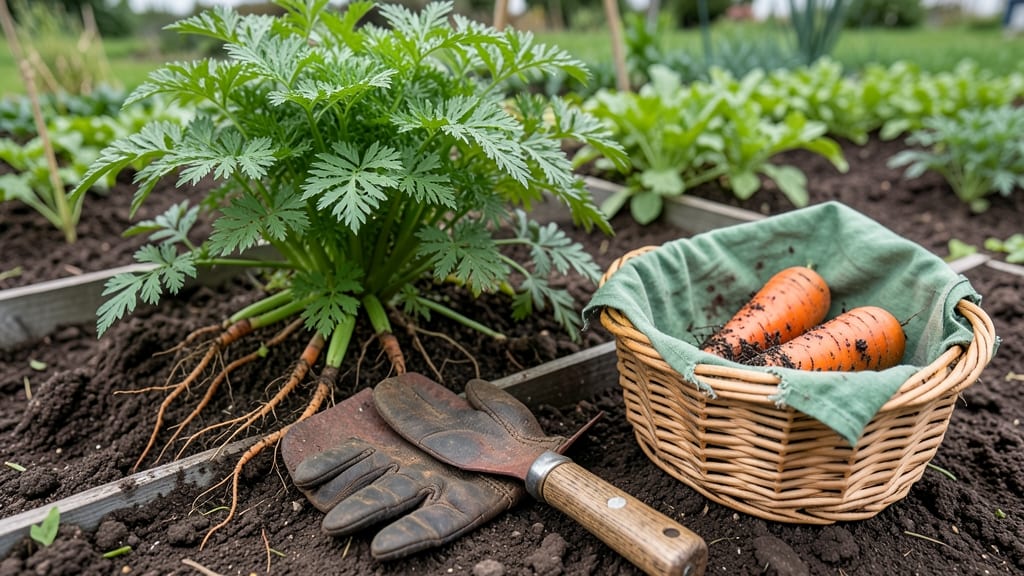
Harvesting carrots from your garden at the right time means the difference between sweet, crisp roots and tough, bitter ones—so timing is everything.
Picture this: you’ve nurtured your 🥕 plants all season, only to pull them too soon and end up with tiny, underdeveloped roots, or too late and find them woody and stringy. The key? Knowing when the soil, size, and leaf health all line up for that perfect harvest.
In this guide, I’ll walk you through the exact signals to watch for—from root length and skin firmness to seasonal soil cues—so you never miss the window for peak flavor. You’ll also learn how to avoid common mistakes that ruin texture and how to prep your harvest for storage.
Ready to pull carrots at their sweetest? Let’s get started with the simple tricks that make all the difference.

How to check carrot maturity using simple soil tricks
Harvesting carrots at the perfect moment transforms your garden into a sweet, crisp treasure trove—but timing is everything. The key lies in the soil, where subtle clues reveal whether your roots are ready to pull or still need time to sweeten.
I’ve learned that ignoring these signs leads to woody, tough carrots that lack the vibrant flavor we all crave. Let’s dig into the soil-based tricks that guarantee perfect harvests every time.
First, check the root length by gently loosening the soil around the plant’s base with your fingers. Most carrot varieties reach maturity between 3–6 inches long, though baby carrots can be harvested as early as 2 inches.
If the root feels firm and resists your gentle tug, it’s likely ready—just don’t pull too hard, or you’ll risk breaking the taproot. This method works best in loose, well-drained soil, which prevents deformities and makes inspection easier.
Next, examine the foliage for color and health. Mature carrots should have vibrant green leaves that aren’t yellowing or wilting. If the leaves look stunted or crispy, your carrots may be overripe or stressed—a sign they’ve been in the ground too long.
On the flip side, if the leaves are still small and tender, the roots need more time to develop. This visual cue is especially useful for short-day varieties, which mature faster in cooler weather.
Here’s a quick trick I swear by: the thumb pressure test. Gently press your thumb against the exposed part of the root. If the skin resists slightly and doesn’t dent easily, the carrot is ready. If it gives way like a ripe peach, it’s still too young.
This test is foolproof for determining firmness and sweetness, two traits that define a perfect carrot. Overlooking this step often leads to undercooked or oversized roots that lose their tenderness.
| Maturity Sign | What to Look For | Action |
|---|---|---|
| Root Length | 3–6 inches (varies by variety) | Loosen soil and measure with fingers |
| Leaf Color | Vibrant green, no yellowing | Inspect for health; pull if leaves are lush |
| Skin Firmness | Resists gentle thumb pressure | Test exposed root; harvest if firm |
| Ease of Pull | Pulls with slight resistance | Grip foliage and tug gently |
| Soil Condition | Loose, well-drained, no rocks | Avoid harvesting if soil is compacted |
One mistake I made early on was waiting too long to harvest, thinking bigger carrots meant better flavor. But overgrown carrots become tough and woody, losing their natural sweetness. To avoid this, I now set a harvest deadline based on the variety’s days to maturity.
For example, Danvers carrots typically mature in 60–70 days, while Paris Market varieties are ready in just 50 days. Mark your planting date and count down to stay on track.
Seasonal timing also plays a crucial role. In spring-planted crops, aim to harvest before the soil temperature exceeds 75°F, as heat stress causes carrots to bolt or develop bitter flavors. Conversely, fall-planted carrots should be pulled before the first frost, which can damage the roots.
I’ve found that harvesting in the morning, when the soil is cool and moist, reduces stress on the plant and ensures the best flavor. This simple habit has made a noticeable difference in the sweetness of my harvest.
For baby carrots, which are harvested young, focus on the size and tenderness of the roots. They should be about 1–2 inches long and snap easily when bent.
If you’re growing a mix of sizes, consider succession planting—sowing seeds every 2–3 weeks ensures a steady supply of fresh carrots throughout the season. This method also prevents overcrowding, which can lead to forked or stunted roots due to competition for nutrients.
Finally, pay attention to the shape of the root as you harvest. Carrots growing in rocky or compacted soil often develop crooked or misshapen roots. If you notice this issue, loosen the soil around the plants and consider adding compost or sand to improve drainage.
A well-shaped carrot isn’t just about looks—it’s a sign that the root has grown freely, which directly impacts its texture and taste. 🥕
Best harvest times by carrot variety (and what to avoid)
Not all carrots mature at the same time, and harvesting them at the wrong stage can ruin their sweetness. Baby carrots like 'Paris Market' or 'Little Finger' are ready in just 50–60 days when they reach 2–3 inches long, while heirloom varieties like 'Danvers' or 'Chantenay' need 70–80 days to reach full size (3–6 inches).
Timing also depends on your planting season. Spring-planted carrots are typically ready in June–July, while fall crops harvested in October–November often develop sweeter roots due to cooler soil temperatures. The key is matching your variety to your climate and seasonal window.
⚠️ callout warning ⚠️
For baby carrots, aim for 1–2 inches in diameter and vibrant green tops. These varieties are bred for early harvests, so don’t wait—they’ll bolt (flower) if left too long. Full-sized carrots, on the other hand, should have thick, tapered roots that resist gentle pressure when pinched.
Seasonal mistakes happen often. Many gardeners pull fall carrots too early after the first frost, missing their peak sweetness. Wait until soil temps drop to 50–60°F—this triggers natural sugar conversion. Also, avoid harvesting in hot afternoons, as roots can split or bruise easily.
Pro tip: Use a soil knife or fork to loosen roots gently before pulling. This prevents damage and makes storage easier. For storage carrots, leave a 1-inch stem attached—it helps preserve moisture and freshness for weeks in a cool, dark place.
Remember, variety matters. Short-day varieties like 'Nantes' thrive in warm climates, while long-day types like 'Purple Haze' need cooler weather. Always check seed packets for days to maturity and adjust your harvest timing accordingly.