
Picking
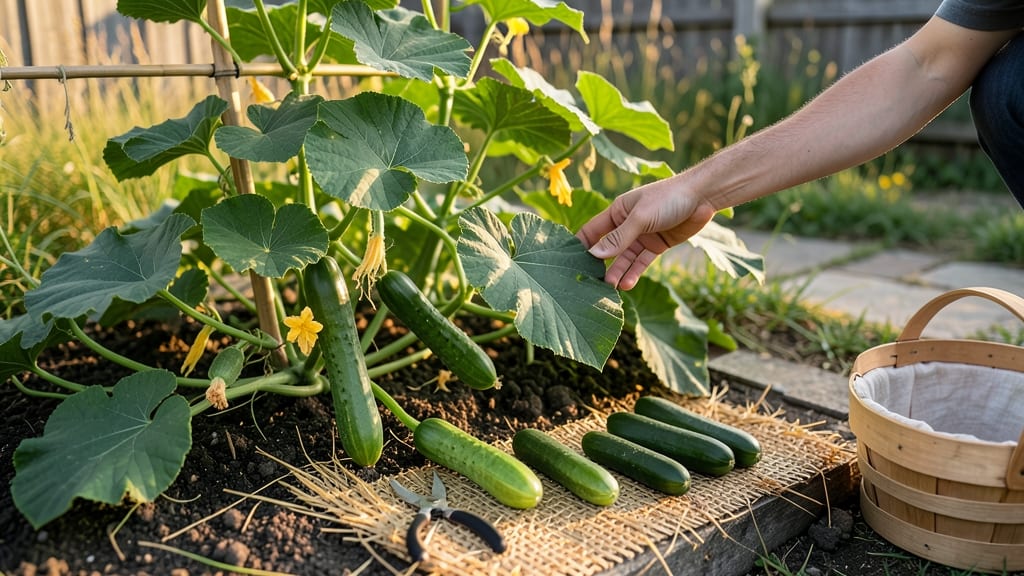
Harvest cucumbers from your garden at 60–75 days after planting, when they’re firm, vibrant, and ready to burst with flavor.
Picking too early means bitter, seedy, or underripe produce—so knowing exactly when to harvest can transform your garden into a flavor-packed success. Miss the window, and you’re left with tough-skinned, watery cucumbers that taste like disappointment.
Size, color, and texture are the key clues: aim for 6–8 inches in length, deep green (or variety-specific) skin, and a slight give when pressed. Morning harvests work best, as afternoon heat can stress the plant and dull the flavor.
Below, I’ll break down the 3 size checks for peak flavor, plus how climate and variety affect timing—so you never waste another cucumber on the vine.

3 Key size-based harvesting rules for cucumber flavor
Harvesting cucumbers at the right size isn’t just about avoiding bitterness—it’s about unlocking peak flavor and texture. Science shows that cucumbers develop cucurbitacins (bitter compounds) when left too long on the vine, while harvesting too early means underripe, watery fruit.
The key? Timing based on variety-specific sizes and growth stages.
I’ve learned through years of trial (and a few bitter cucumber failures) that slicing, pickling, and heirloom cucumbers each have their own ideal harvest windows.
For example, slicing cucumbers like 'Straight Eight' should be picked at 6–8 inches, while pickling varieties like 'Boston Pickling' shine at 2–3 inches. Even heirloom types like 'Lemon Cucumber' need precise timing to balance sweetness and crunch.
Here’s the science-backed breakdown of when to harvest cucumbers for maximum flavor, texture, and yield—plus why size matters more than you think.
Rule #1: Slicing cucumbers should never exceed 8 inches—this is where crispness peaks and bitterness hasn’t set in. I’ve found that harvesting at 6–7 inches gives the best balance of texture and sweetness. Overripe slicers (beyond 9 inches) develop woody cores and seeds that dominate flavor.
Rule #2: Pickling cucumbers must be harvested small and firm—typically 2–3 inches
How to spot perfect cucumber ripeness beyond size
Size isn’t the only clue for harvesting cucumbers—color, texture, and even stem separation reveal the perfect moment to pick. While most gardeners focus on length, these visual and tactile cues ensure peak flavor, especially for heirloom or unusual varieties like lemon cucumbers or bush varieties that mature differently.
Overlooking these signs can lead to bitter, seedy, or tough-skinned cucumbers. For example, a dark green, glossy skin with yellowing at the stem end often signals readiness, but some varieties—like striped or white cucumbers—have unique ripeness markers. Let’s break down the must-check cues beyond just measuring with a tape.
- 1 Stem Separation: Gently twist the cucumber at the stem. If it snaps cleanly (not tears), it’s ready. A green, unyellowed stem end means it’s too early.
- 2 Skin Texture: Press lightly—ripe cucumbers yield slightly to touch (like a ripe avocado) but aren’t mushy. Rock-hard or dull skin means underripe; wrinkled or soft means overripe.
- 3 Color Uniformity: Check for consistent color (no pale patches). Dark green, yellow, or striped varieties should have deep, vibrant hues. Yellowing or browning at the blossom end is a classic ripeness sign.
- 4 Bumps and Ridges: Look for faint bumps or ridges along the cucumber’s length. These indicate seed maturity and sweetness. Smooth skin often means underripe.
- 5 Harvest Time: Pick in the morning (after dew dries) for fresher flavor. Avoid harvesting in afternoon heat, which can stress the plant and dull taste.
For pickling cucumbers, harvest when they’re smaller (2–4 inches) and firm—these cues still apply, but size is the primary focus. Meanwhile, slicing cucumbers should reach 6–8 inches with all the above ripeness markers.
Pro tip: Check vines daily—cucumbers can go from perfect to overripe in 24 hours.
Unusual varieties like heirloom or Asian cucumbers may have different ripeness cues, such as white skin turning pale yellow or striped patterns darkening. Always refer to your seed packet for variety-specific guidance.
For example, Armenian cucumbers are ready when they’re long (10+ inches) but still firm, while bush varieties may ripen faster due to compact growth.
By mastering these visual and tactile cues, you’ll avoid the bitter, seedy, or mushy cucumbers that plague many gardens. Next time you’re in the garden, grab a cucumber, give it a gentle squeeze, and check the stem—your taste buds will thank you! 🥒