Picking
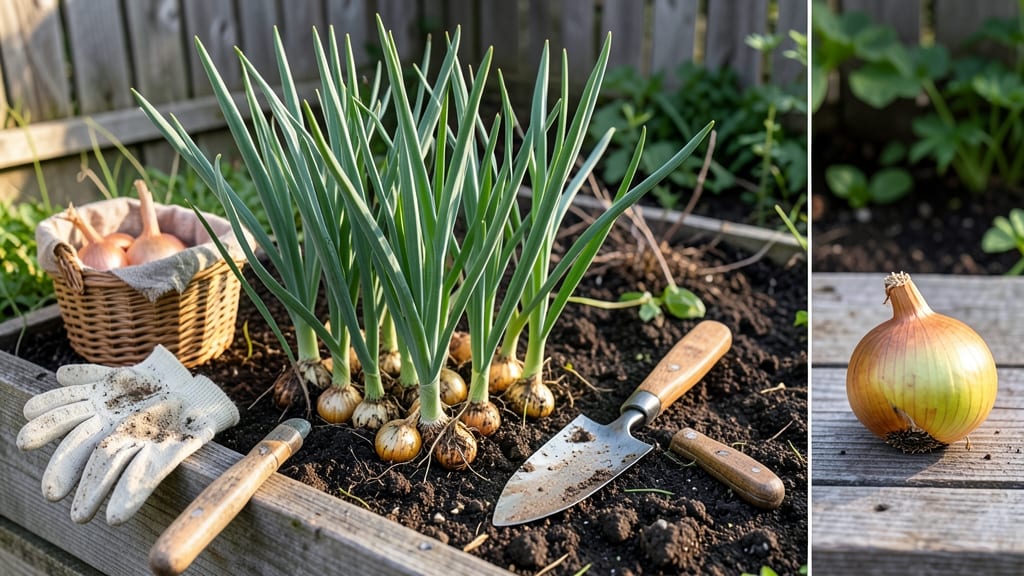
Harvest onions from the garden when their tops yellow and fall over 🧅 — a sure sign they’re ready to pull for peak flavor and storage.
Picture this: you’ve nurtured your onions for months, and now the moment of truth arrives. But if you wait too long, you risk bitter bulbs or even rot. The key is catching them at the right stage—when the neck tightens and the skin turns papery.
Timing matters just as much as technique. In Zone 6a, that window typically falls between late July and early September, but regional climates can shift it by weeks. Miss it, and your harvest might spoil before you even get to the kitchen.
Below, I’ll walk you through the three foolproof cues to harvest at the perfect moment, how to cure them for maximum shelf life, and the one mistake that ruins everything—even if you picked them at the right time.

3 Clear signs your onions are ready for harvest (before they go bad)
Harvesting onions at the wrong time can ruin months of care—turning sweet, firm bulbs into bitter or moldy disappointments. The key lies in recognizing three subtle but unmistakable signs that your onions have reached peak maturity.
Whether you're growing storage onions for winter or harvesting green onions for fresh use, these visual and tactile cues will guide you perfectly.
First-time onion growers often struggle with timing because onions don't announce their readiness with dramatic color changes like tomatoes. Instead, they signal maturity through gradual physical transformations that require close observation.
Missing these signs can mean bulbs that split open during storage or develop hollow centers—both major setbacks for any gardener.
I’ve learned the hard way that waiting too long can lead to overmature onions that become pithy and lose their sharp flavor. But harvesting too early means small, watery bulbs that won’t store well.
The solution? Mastering these three clear indicators of onion readiness will help you pull them at the exact moment they’re perfect for eating or storing.
-
1. Top Growth Collapses
The green tops turn yellow and flop over like a bowing dancer. This signals the plant is redirecting energy to the bulb below. -
2. Neck Tightens Dramatically
The stem connecting bulb to top shrinks to a pencil-thin size. This "neck" hardening is your cue to harvest within days. -
3. Bulb Feels Firm with Papery Skin
Gently squeeze the bulb—it should feel solid and dry with a thin papery layer forming. This protects against rot during storage.
For green onions, you can harvest earlier when the scallions reach 6-8 inches tall and have developed a small bulb at the base. But for storage onions, wait until all three signs appear simultaneously.
I once harvested a batch too early because I ignored the neck tightening, and my onions sprouted in storage—a gardener’s worst nightmare!
Regional climate plays a role too. In cooler zones (USDA 3-5), onions mature more slowly, so watch for these signs starting in late July. In warmer zones (USDA 7-10), they may be ready as early as June.
The key is consistency—check your onions weekly once they’ve been growing for 100+ days.
Pro tip: Dig up one onion to test when you see the first yellowing tops. Cut it open—if the bulb is 1-2 inches wide with tight layers, your others are ready.
If it’s still small and moist, wait another week. This simple test saves hours of guesswork and ensures perfect harvests every time.
Don’t overlook soil conditions either. Onions grown in well-draining soil develop firmer bulbs faster than those in heavy clay. If your soil holds too much moisture, the tops may yellow prematurely without true maturity. Amend your soil with compost or sand before planting to improve drainage and bulb quality.
Once you’ve confirmed all three signs, harvest on a dry, sunny day to prevent disease. Use a garden fork to gently loosen soil around the bulbs, then pull carefully. Shake off excess dirt and let them cure in the sun for 3-5 days before storing.
This drying process prevents rot and extends shelf life to 6-8 months when stored properly.
Remember: Onion maturity is about balance. Too early, and you’ll have small, pithy bulbs. Too late, and they’ll split or sprout. By mastering these three signs—collapsed tops, tightened necks, and firm papery skin—you’ll harvest onions at their absolute peak, ready for cooking or long-term storage.
How to harvest onions without ruining their flavor or storage life
Once your onions show those tell-tale maturity signs, the clock starts ticking. Pulling them too soon means small, pungent bulbs. Waiting too long risks rot or a bitter taste.
The goal is to harvest when they’re fully mature but still fresh, ensuring both great flavor and long storage life.
Start by choosing a dry, sunny day for harvesting—this minimizes disease risk and speeds up curing. Use a sharp garden fork or spade to loosen the soil around the bulbs, then gently lift them to avoid damaging the skins.
Be careful not to cut into the bulbs, as this invites rot during storage.
- Step 1: Wait until 50-60% of tops yellow and flop over naturally. This usually happens 7-10 days after tops fall.
- Step 2: Use a garden fork to dig around bulbs, lifting gently to avoid bruising. Shake off excess soil but don’t wash them.
- Step 3: Trim tops to 1 inch above bulbs using clean scissors or shears. Leave roots intact for curing.
- Step 4: Spread onions in a single layer on a mesh screen or wire rack in a shady, well-ventilated area for 2-3 weeks.
- Step 5: When skins are papery and dry, brush off dirt and store in a cool, dark place with good airflow.
Curing is the secret to long storage. For storage onions, let them dry in the sun for 1-2 weeks until the necks are crisp.
For green onions, harvest when tops are 6-8 inches tall and use immediately or store in the fridge for up to 2 weeks.
Never store onions in plastic bags or the fridge—this traps moisture and causes rot. Instead, keep them in a mesh bag or cardboard box in a cool (40-50°F), dry place. Properly cured onions can last 6-8 months, while fresh green onions stay crisp for 1-2 weeks.
If your onions start sprouting or feel soft, they’re past their prime. But with the right timing and curing, you’ll enjoy sweet, flavorful onions all winter long. The effort is worth it—imagine fresh onions in winter soups or holiday dishes!