
Picking
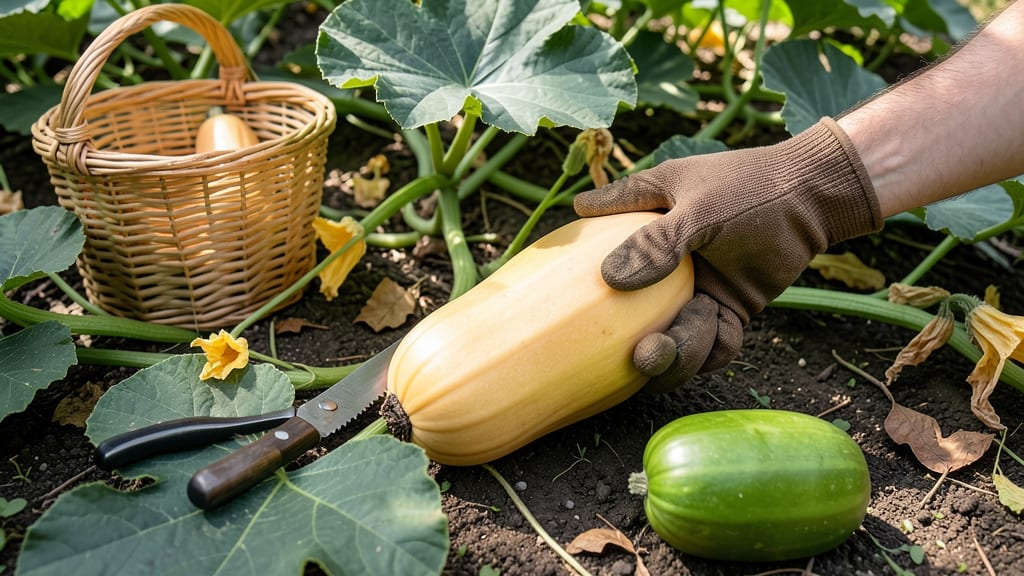
Knowing when to harvest spaghetti squash from the garden means tender, stringy-free flesh—wait too long, and you’ll end up with a rock-hard mess.
Most gardeners guess based on days after planting, but that’s a gamble. Instead, focus on the seed color inside the blossom end: when it turns from white to yellow, that’s your cue.
Combine that with a simple skin test—press your fingernail into the rind. If it doesn’t dent easily, it’s ready.
Timing matters even more in USDA Zone 6a, where a late frost or early heat can throw off maturity. In general, spaghetti squash takes 80-100 days to reach peak ripeness, but checking the plant—not the calendar—is the real trick.
Below, I’ll walk you through the exact steps to test for ripeness, how to avoid common mistakes (like harvesting too early), and when to pull them for storage versus fresh eating.
How to check spaghetti squash ripeness using the seed and skin test
Harvesting spaghetti squash at the perfect moment transforms your garden into a kitchen goldmine. The key lies in two simple but often overlooked tests: the seed color and skin hardness.
These indicators reveal when your squash is primed for harvesting—before it becomes overripe or underdeveloped. I’ve used these methods for years, and they’ve never failed me.
Most gardeners focus only on size or days after planting, but these visual cues give you an exact moment to harvest. A dull tan skin and dark brown seeds are your green light.
Ignore these signs, and you risk tough, stringy flesh that’s far from the tender strands we all love. Let’s break down each test so you can confidently harvest your spaghetti squash.
Visual Cues are your best friend when checking ripeness. The skin color shifts from bright green to a matte, tan hue, while the seeds inside darken from white to deep brown. These changes signal the squash is ready to pick. Skipping these checks often leads to disappointment—either waiting too long for a shriveled squash or harvesting too early for a mealy texture.
| Ripeness Indicator | Not Ready (Green) | Ready (Tan/Dull) | Overripe (Dry/Shriveled) |
|---|---|---|---|
| Skin Color | Bright green | Dull tan | Yellowish-brown, wrinkled |
| Seed Color | White or pale yellow | Dark brown | Blackened or shriveled |
| Skin Hardness | Soft, easy to pierce | Hard, resists fingernail | Brittle, cracks easily |
| Sound When Tapped | Hollow or dull | Solid, dense | Empty or rattling |
| Vine Condition | Green, actively growing | Yellowing, dying back | Completely brown and dead |
The skin hardness test is my go-to method because it’s quick and doesn’t require cutting into the squash. Press your fingernail into the skin near the stem. If it resists penetration and doesn’t dent easily, your squash is ready.
This test works best in the morning when the skin is firmer due to cooler temperatures. A soft skin means you’re not there yet—give it another week or two.
For the seed color test, you’ll need to cut open a small section of the squash. Look at the seeds inside: they should be deep brown, almost black. If they’re still white or pale yellow, the squash needs more time on the vine.
This test is foolproof because seed color changes are directly tied to maturity. Pro tip: Save a few seeds for next year’s garden if they’re healthy and dark!
Timing matters because spaghetti squash continues to ripen after harvest. If you pick it too early, the strands will be underdeveloped and tough. Too late, and the flesh becomes dry and stringy.
Aim for the dull tan skin and dark seeds combo, and you’ll get that perfect al dente texture we all crave. Trust these visual cues, and you’ll never second-guess your harvest again.
One common mistake is waiting until the squash looks shriveled or the vines are completely dead. By then, the flesh is often dry and mealy. Harvest when the vines are just starting to yellow—this is your sweet spot.
The squash will keep for a few weeks at room temperature, so don’t rush to pick it before it’s truly ready.
If you’re unsure, combine both tests for accuracy. A hard skin with dark seeds is your perfect match. This duo ensures you’re harvesting at peak ripeness, every single time. Once you master these tests, you’ll become the go-to gardener for the best spaghetti squash in the neighborhood.
Remember, spaghetti squash thrives in warm weather and needs full sun to develop properly. If your garden is in a cooler climate, give it extra time—up to 110 days—before expecting ripeness. Patience pays off with a bountiful harvest of tender, flavorful squash.
Best time of year to harvest spaghetti squash by climate Zone
Timing your spaghetti squash harvest depends entirely on your USDA climate zone and last frost date. In cooler zones like 3-5, you’ll need to plan for shorter growing seasons, while zones 8-11 can enjoy extended harvest windows.
Most varieties mature in 75-100 days, but heat and frost risks vary dramatically by region.
For example, gardeners in USDA Zone 3 should start seeds indoors in early May and harvest by mid-September before hard frosts arrive. Meanwhile, those in Zone 10 can plant year-round with harvests spanning from June to November.
Understanding your local frost dates is critical—spaghetti squash cannot tolerate frost at any stage.
| USDA Zone | Planting Window | Harvest Window | Key Risks |
|---|---|---|---|
| 3-5 | Mid-May to early June | Late August to mid-September | Early frost, short season |
| 6-7 | Late April to early May | September to early October | Light frost possible |
| 8-9 | March to April | October to November | Heat stress in summer |
| 10-11 | Year-round (best in fall) | June to December | Pests, humidity |
Heat also plays a role—extreme summer temperatures above 90°F can stunt growth or cause blossom drop. In zones 8-11, I recommend planting in early spring or late summer to avoid peak heat.
Always check your local frost-free days and count backward from your first frost date to determine your ideal harvest window.
Pro tip: Use black plastic mulch in cooler zones to extend the season by 2-3 weeks. This warms the soil faster and protects young plants from late frosts. Even in warm climates, mulching helps retain moisture during dry spells, ensuring your squash matures evenly.
Never harvest before the 75-day mark—even if the skin looks mature. Immature squash will be hollow, watery, and stringy when cooked. Instead, wait until the skin turns from bright green to a dull tan color and the stem shrinks slightly. This usually happens around 90 days for most varieties.
In Zone 4 or colder, consider treating spaghetti squash like a short-season crop. Start seeds indoors 4-6 weeks before your last frost, then transplant seedlings after soil reaches 60°F. This gives you the best chance to harvest before the first frost—typically by mid-September in most northern regions.