
Picking
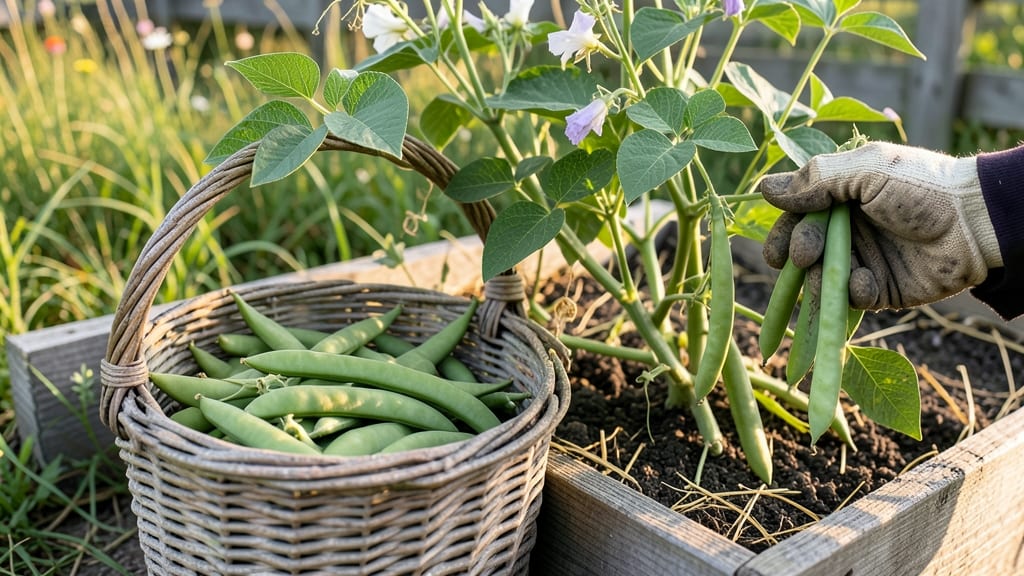
To pick beans from your garden at the perfect time, watch for pods that are 4-6 inches long and snap crisply when bent—this is when flavor and texture peak.
You might think all beans are ready at the same time, but timing actually varies by variety and weather. A single day too late can turn crisp pods into tough, stringy ones, while harvesting too early means smaller yields and wasted effort.
Below, I’ll break down the visual cues—like pod size, color, and the famous "snap test"—plus how heat waves or cool spells can shift your harvest window.
By mastering these clues, you’ll enjoy bigger harvests and beans that taste fresh-picked, not overripe. Let’s get started.

Signs your green beans are ready for harvesting: visual and texture clues
Harvesting green beans at the perfect moment transforms your garden into a flavor factory. The key lies in watching for three critical cues: pod size, texture, and seed development.
When you spot these signs, you're just minutes away from a crisp, tender harvest that tastes like summer in every bite.
Most green bean varieties hit peak flavor when pods reach 4-6 inches long. This is your first visual signal that the plant has invested its energy into producing edible pods rather than seeds. Ignoring this cue means risking tough, fibrous beans that lose their signature snap.
Here’s what to look for beyond just length—texture and seed size reveal the true readiness of your beans:
My favorite trick for testing bean readiness is the "snap test". Hold a pod between your thumb and forefinger and gently bend it. If it emits a crisp sound and snaps cleanly, it’s ready to eat.
A dull thud or bend without breaking means the pod needs more time—usually 1-2 days—to reach peak texture.
Color plays a subtle but important role too. While green beans should be uniformly green, watch for yellowing tips or brown spots, which signal over-maturation. These pods may still be edible but will taste bland and tough.
Always harvest them first and enjoy them in stir-fries or soups where texture matters less.
One common mistake I see in gardens is waiting too long for beans to "get bigger." Over-mature beans develop thick skins and large seeds, turning your once-tender harvest into a chewy challenge.
The plant’s energy shifts from pod production to seed development, reducing future yields. Check your plants every 2-3 days during peak harvest season to catch them at their sweetest.
Variety matters when timing your harvest. Bush beans like 'Blue Lake' mature faster (around 55-60 days) than pole varieties like 'Kentucky Wonder' (closer to 65-70 days). Always check seed packets for specific days-to-maturity estimates, then adjust your harvest schedule accordingly.
My Blue Lake plants, for example, give me a 3-week harvest window if I pick consistently.
Environmental factors like temperature and rainfall can also nudge your harvest timeline. Hotter weather speeds up maturity, while cool, cloudy days may delay it. If your beans are growing in Zone 7 or warmer, expect a faster harvest cycle.
In cooler climates, extend your timeline by 5-7 days and monitor pods closely for readiness cues.
Pro tip: Use
How often to harvest green beans for continuous production and plant health
Harvesting green beans at the right frequency isn’t just about timing—it’s about encouraging your plants to produce more. When you pick beans too infrequently, the pods swell and toughen, signaling the plant to stop producing.
But harvest too often, and you’ll stress the plant before it can recover. The sweet spot? Every 2-3 days during peak production, when pods are 4-6 inches long and crisp.
Think of it like pruning: removing spent blooms encourages new flowers. With beans, removing mature pods redirects energy to new growth and more pods. My busiest harvest seasons? July through August, when warm weather speeds up growth.
But even then, I never pick more than half the pods at once to avoid shocking the plant.
Here’s the secret: Morning harvests are ideal. Cooler temps mean firmer pods, and you’ll avoid the afternoon heat that can make beans rubbery. Plus, harvesting in the morning gives your plants a full day to recover before nightfall.
Pro tip: Use a small basket or harvesting scissors to avoid bruising pods during collection.
🌱 When to Pick Beans from Your Garden: Key Harvest Timing
- Every 2-3 days during peak production (July-August) to prevent over-maturation.
- Check pods morning and evening—harvest when they’re 4-6 inches long and snap crisply.
- Reduce frequency to every 4-5 days in late summer when growth slows.
- Stop harvesting 4-6 weeks before frost to let plants store energy for next year.
- Use a sharp knife or scissors to cut stems cleanly, avoiding plant damage.
If you’re growing bush beans (like Blue Lake or Roma), expect a 4-6 week harvest window. For pole beans (like Kentucky Wonder), the season stretches to 8-10 weeks if you keep up with harvests.
I’ve seen pole beans produce 3x more yield than bush beans when harvested consistently—just imagine the difference!
Watch for yellowing leaves or stunted growth as signs you’re over-harvesting. These are red flags that your plant is struggling to keep up. In my garden, I always leave at least 20% of pods unharvested to ensure the plant can recover.
Over time, you’ll learn your plants’ rhythm—some varieties rebound faster than others.
For large gardens, consider sectional harvesting: pick from one side of the row today, the other side tomorrow. This keeps the harvest manageable and prevents missing spots. And if you’re short on time, focus on high-yielding plants first—they’ll give you the most beans per effort.
With the right frequency, you’ll enjoy a continuous harvest for weeks, not just a single bumper crop.