
Picking
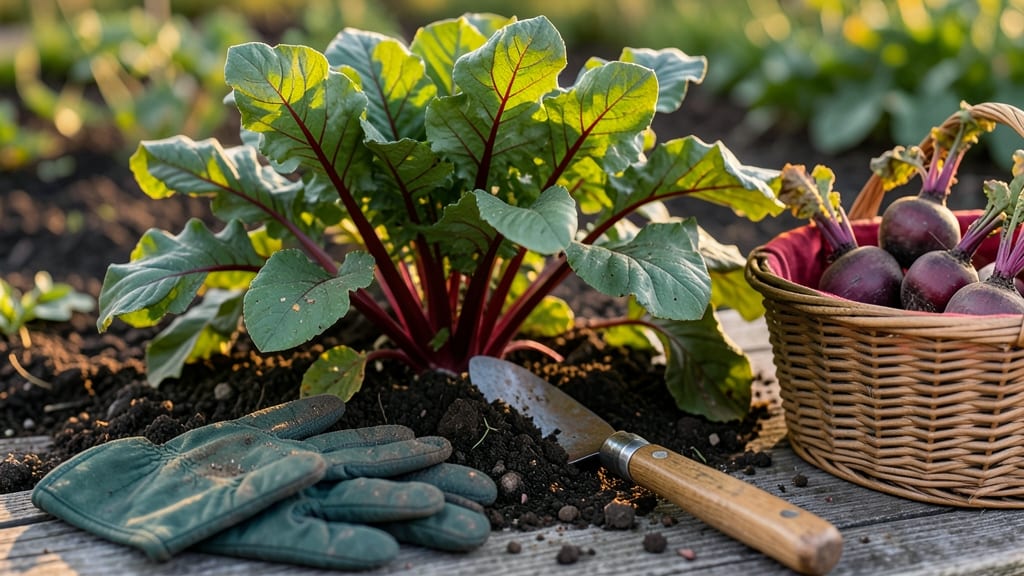
To pick beets from your garden at the perfect time means harvesting tender, flavorful roots that are neither too small nor woody.
You’ve spent weeks nurturing your 🍠 plants, and now the question is: how do you know when they’re ready? The answer lies in three key signs—root size, leaf color, and soil conditions—that transform guesswork into a foolproof method.
Miss these cues, and you risk beets that are either underdeveloped or tough and stringy.
In this guide, I’ll walk you through the exact visual and tactile clues to look for, plus the best time of day and season to harvest for maximum sweetness.
Whether you’re growing Detroit Dark Reds or golden Chioggias, these tips will ensure your beets are at their peak when you pull them from the soil.
You’ll also discover how to harvest without damaging future growth and store your beets for weeks—so no more wasted effort or sad, shriveled roots in your pantry. Let’s get started.

3 Visual signs your beets are ready for harvest
Knowing exactly when to pick beets from your garden can feel tricky, but these 3 visual signs will help you avoid common mistakes like harvesting too early (woody roots) or too late (bolting).
I’ve learned through years of gardening that timing is everything—especially with beets, where size, color, and leaf condition all matter. Let’s break down what to look for so you can enjoy sweet, tender roots every time.
First, let’s address a common misconception: beet greens don’t have to be fully mature before harvesting the root. In fact, pulling them too late can lead to tough, fibrous roots. The key is focusing on the root size and color while paying attention to the leaves.
If you’ve ever missed the window, you’ll know how disappointing it is to dig up a beet that’s either too small or woody. Let’s fix that!
Root Diameter: 1-3 inches
Use your thumb and forefinger to gently measure the root’s width. Baby beets (like ‘Babybeat’ varieties) are ready at 1 inch, while larger types (like ‘Detroit Dark Red’) should reach 2-3 inches. Overlooking this can mean roots that are too tough to enjoy.
Deep, Uniform Color
A vibrant, consistent hue (red, gold, or purple) means your beets are ready. If the color is pale or patchy, they need more time in the soil. For example, ‘Chioggia’ beets should have bold pink-and-white stripes, while ‘Golden’ varieties should be a rich amber.
Leaf Condition: Yellowing or Wilting
For storage beets, the leaves should start yellowing or wilting slightly—this signals the plant is redirecting energy to the root. If leaves are still vibrant green, the beet isn’t mature yet. Baby leaf varieties can be harvested earlier, but their roots will be smaller.
One mistake I’ve made (and seen others make) is waiting too long because the leaves look healthy. But here’s the trick: leaf health isn’t the best indicator. Instead, focus on the root’s size and color.
For example, if your ‘Detroit Dark Red’ beets have deep red roots but the leaves are still green, they’re likely ready. The leaves will yellow later, but the root’s maturity is what counts.
Another pro tip: pinch the skin of the beet gently. If it resists slightly (like a firm apple), it’s ready. If it feels soft or mushy, it’s overripe. This simple test has saved me from digging up beets that were past their prime.
For storage varieties, you can leave them in the ground a little longer—they’ll keep improving until the first frost.
Seasonal timing also plays a role. In spring-planted beets, harvest between 50-70 days after sowing, depending on the variety. Fall-planted beets can wait until the soil cools, but don’t let them sit too long—late harvests can lead to woody roots.
I’ve found that morning harvests yield the sweetest beets because the roots have absorbed moisture overnight.
If you’re growing baby beets (like ‘Little Ball’), they’re ready in as little as 30-40 days, but the same rules apply: 1-inch diameter and deep color. For larger varieties, aim for 2-3 inches.
Overcrowding can also delay maturity, so thin your seedlings to 3-4 inches apart early on. This gives roots space to grow without competing.
Finally, don’t forget that soil conditions matter. Dry soil can stress beets, making them tough and less flavorful. Always harvest after a light rain or watering session—this makes the roots easier to dig and ensures they’re at their peak.
If your soil is rocky, use a hand fork to gently loosen the earth before pulling.
By watching for these 3 key signs, you’ll never miss the perfect harvest window again. Sweet, tender beets are just a few weeks away—no more guesswork, just delicious results! 🍠
Best time of day and season to harvest beets for maximum flavor
Timing your beet harvest isn’t just about waiting for the right size—it’s about capturing their peak sweetness and tender texture. I’ve learned that harvesting in the cool morning hours (right after dew dries) preserves their natural sugars, while evening harvests risk woody roots from daytime heat stress.
The season matters just as much: spring-planted beets reach harvest in late June to August, while fall crops are best pulled just before first frost (around October 15 in Zone 6a).
Climate plays a surprising role too. In hot, dry summers, beets concentrate sugars faster, so they’re sweeter but may develop harder skins. In cooler, wet springs, they grow slower but stay extra tender.
I’ve found that mild autumns produce the most flavorful storage beets—just let the tops yellow naturally before harvesting. The key is balancing maturity with environmental conditions to avoid tough, stringy roots.
| Harvest Window | Optimal Time | Flavor & Texture | Storage Life |
|---|---|---|---|
| Morning (6-9 AM) | Coolest part of day | Maximum sweetness, crisp | 3-4 weeks (fresh) |
| Evening (after 6 PM) | Avoid if temps >80°F | Less sweet, may be woody | 2 weeks (fresh) |
| Late June-August | Spring planting | Balanced sweetness | 4-6 weeks (cured) |
| October-November | Before first frost | Deepest flavor | 6+ months (stored) |
For spring harvests, I prioritize early morning picking when soil is cool—this prevents the roots from becoming leathery in the afternoon heat. In fall gardens, I wait until just before frost to harvest, as cold temperatures trigger natural sugar conversion.
One pro tip: Pinch-test the skin—if it resists gentle pressure, the beet’s ready. Overlooking this can mean tough, fibrous roots that even boiling can’t salvage.
Seasonal timing also affects storage potential. Spring-planted beets store for 3-4 weeks in the fridge, while fall-harvested varieties like Detroit Dark Red can last 6 months when cured and stored in sandy soil or sand-filled containers.
I’ve had success with golden beets too—they’re sweeter when harvested in cool fall weather, making them perfect for roasting or pickling.
One common mistake I see is harvesting beets after a heavy rain. Soil becomes too loose, and roots can split or bleed. Instead, wait 24 hours for the ground to dry.
Also, avoid harvesting during heatwaves—the stress makes beets bolting (sending up flower stalks), ruining both the root and greens. Planning your harvest around mild, dry days ensures the best results every time.
To maximize flavor, I always harvest younger beets (1-2 inches) for salads and larger ones (3+ inches) for roasting. The color intensity is your best guide: deeper reds, purples, or golds mean higher sugar content.
And remember, storage beets should have yellowing tops—this signals they’ve converted starches to sugars. With these timing tricks, you’ll go from guessing to growing restaurant-quality beets in your own backyard.