
Picking
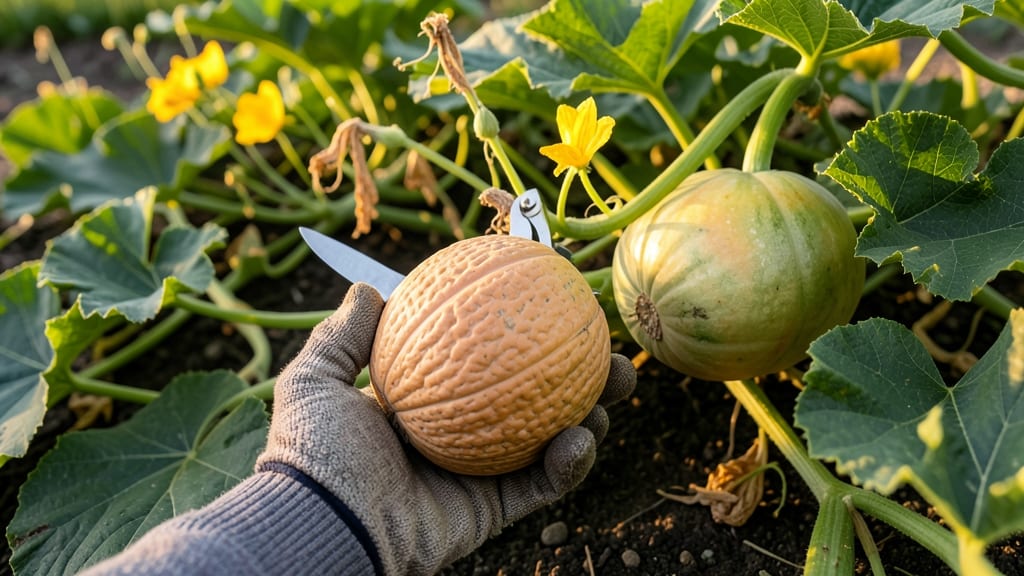
Picking butternut squash from your garden at the right time ensures you harvest sweet, flavorful 🎃 fruits that store well for months.
Harvesting your butternut squash at the wrong time means the difference between a sweet, flavorful meal and a bland, watery disappointment—so how do you know when it's truly ready?
Most gardeners wait 80 to 100 days after planting, but visual cues like skin hardness and stem color are the real indicators of peak ripeness. A squash that’s too early will be soft and seedy, while one left too long risks becoming tough and woody.
In this guide, I’ll walk you through the exact tests to check—from pressing the skin to inspecting the seeds—and share the best times of day and seasonal factors to ensure you never miss the window again.
How to test butternut squash ripeness using skin hardness & seed color
Butternut squash is a garden superstar when harvested at the perfect moment—peak ripeness delivers that creamy sweetness and ideal texture we all crave. The key lies in three simple but critical checks: skin hardness, seed color, and stem condition.
Skipping these tests often leads to squash that's either too soft or overly fibrous. Let's break down exactly what to look for in your garden.
First, focus on the skin's firmness. A ripe butternut squash should feel rock-hard when pressed with your fingernail—if it leaves a dent, it's not ready yet. This hardness protects the flesh from bruising and ensures maximum shelf life.
I've learned the hard way that squash with even slightly soft spots won't store well, so always prioritize this test. The skin should also transition from a bright green to a dull tan or beige hue.
Step-by-Step Ripeness Test
-
1. Skin Hardness Test
Press your fingernail into the skin near the blossom end. If it doesn't pierce easily, it's ready. Use a vegetable peeler for a more precise test—if it slides smoothly, the squash is perfect.
-
2. Stem Condition Check
Look for a dry, brown stem that's detached or nearly detached from the vine. A green, fresh stem means the squash needs more time. I always cut the stem 1-2 inches away from the fruit to prevent rot during storage.
-
3. Seed Cavity Inspection
Cut open the blossom end to check the seed cavity. Ripe seeds should be white to cream-colored. If they're still green, the squash needs more time. Black or shriveled seeds mean it's overripe.
-
4. Weight & Size Confirmation
A fully ripe butternut squash feels heavy for its size due to concentrated sweetness. Measure it against your hand size—most varieties reach 18-24 inches long when mature. Mine rarely exceed 20 inches, so I use that as my benchmark.
-
5. Color Uniformity
The skin should have a consistent tan or beige color with no green patches. Some varieties develop orange streaks, which is normal. Avoid squash with dark spots or mold, as these indicate rot.
✅ Pro Tip: Harvest on a dry morning after dew has evaporated to prevent disease.
Don't overlook the seed cavity—this is where many gardeners miss the mark. The seeds should be plump and white, not green or shriveled. I once picked a squash with green seeds, only to discover it was watery and bland.
Since then, I've made seed color a non-negotiable part of my ripeness test. The cavity should also feel dry to the touch, not moist.
Timing matters too. Most butternut squash varieties take 80-120 days to mature, depending on your USDA zone. In my Zone 6a garden, I start checking for ripeness around late August, but I've seen earlier harvests in Zone 8 where the growing season extends longer.
Always consult your seed packet for specific days-to-maturity estimates.
After harvesting, cure your squash to enhance flavor and storage life. Place them in a warm, dry spot (80-85°F) for 10 days, turning occasionally. This process thickens the skin and concentrates sugars.
I cure mine on a sunny windowsill wrapped in a breathable cloth to protect from pests while allowing airflow.
One common mistake I see is harvesting based solely on size. Just because your squash is long doesn't mean it's ripe—always combine size, skin hardness, and seed color for accurate results.
Overripe squash develops wrinkled skin and a hollow stem, while underripe squash remains lightweight and soft. Balance is key!
For long-term storage, choose squash with thick, unblemished skin and store them in a cool (50-55°F), dark, and humid (50-70%) environment. A root cellar or basement works perfectly. My cured squash lasts 2-3 months this way, ready for soups and roasts whenever I need them.
Remember, patience pays off with butternut squash. Rushing the harvest leads to poor flavor and texture, while waiting too long results in overripe, stringy flesh. By mastering these three ripeness tests, you'll consistently harvest squash that's sweet, dense, and perfect for any recipe. Happy harvesting!
Common mistakes that make you pick butternut squash too early (or too late)
Picking your butternut squash at the wrong time can turn your harvest from delicious to disappointing. Many gardeners make the mistake of harvesting too early because they're eager, or too late when they miss the subtle signs of readiness.
Understanding these common errors will help you avoid watery, underripe squash or overripe, shriveled disappointment.
One of the biggest red flags is ignoring skin hardness. If you press your fingernail into the squash and it leaves a dent, it's not ready yet. Many gardeners also overlook the stem condition, assuming the fruit is ripe just because it looks big.
But a green, fresh stem means the squash needs more time on the vine.
⚠️ Warning: These Signs Mean Your Butternut Squash Isn't Ready!
- Soft spots when pressed with a fingernail
- Pale or dull skin color instead of tan or beige
- Green stem that's still fresh and flexible
- Rapid size increase in the last few days (it should stop growing)
Harvesting too early ruins flavor and storage potential—wait for these signs instead:
- Hard skin that resists fingernail pressure
- Tan or beige skin with no green patches
- Brown, dry stem near the fruit
- Heavy weight for its size (feels dense)
On the other end of the spectrum, some gardeners wait too long, letting their squash develop wrinkled skin or hollow stems. These are clear signs of overripeness, which can make the flesh grainy and less sweet.
The key is to harvest when the squash is at its peak—just before these overripe indicators appear.
Another common mistake is harvesting after frost. Cold temperatures can damage the squash, even if it looks ripe. Always pick your butternut squash before the first frost of the season. If you're in a cooler climate, you might need to harvest earlier to avoid this mistake.
Finally, don't rely solely on days after planting as your guide. While butternut squash typically takes 80-120 days to mature, environmental factors like sunlight and temperature can speed up or slow down ripening. Always check the visual cues—skin hardness and stem color—before deciding it's time to harvest.
By avoiding these common mistakes, you'll enjoy sweeter, firmer butternut squash that stores well for months. Pay attention to the details, and your harvest will be a success every time! 🎃