
Picking
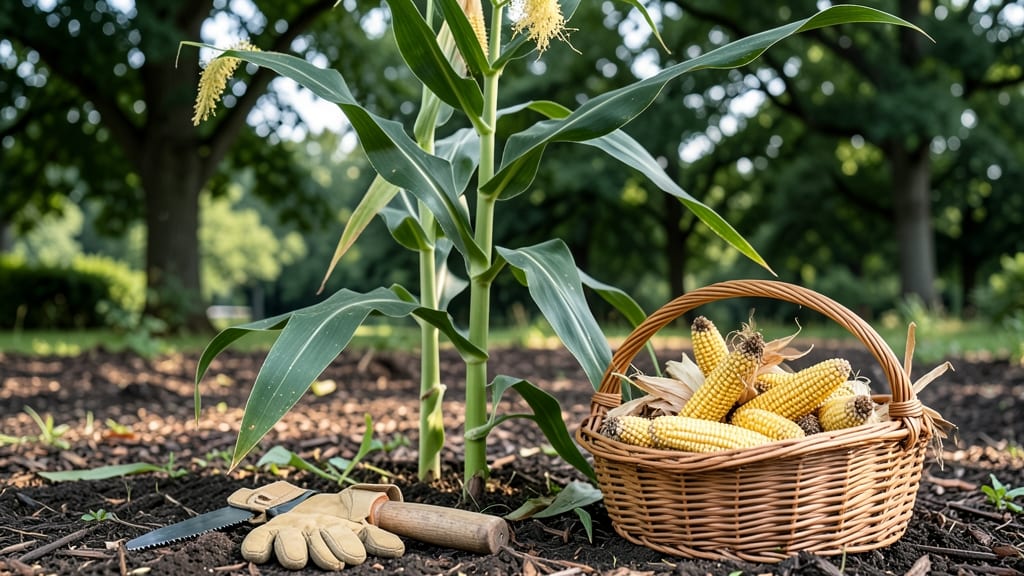
To pick corn from your garden at the perfect moment means capturing its sweetest, juiciest flavor before it turns starchy and tough.
Nothing beats that first bite of fresh 🌽 straight from the stalk—but timing is everything. Harvest too early, and the kernels won’t be fully developed. Too late, and you’re left with dry, mealy ears. The difference between perfect and disappointing lies in knowing exactly when to pull those silks.
In this guide, I’ll walk you through the three foolproof tests to check ripeness: the silk color, the kernel milk stage, and the ear pressure trick. These simple methods will help you avoid the most common mistakes and ensure your corn is bursting with flavor.
Whether you’re a beginner or a seasoned gardener, mastering these cues will turn your harvest into a delicious success every time.

3 Simple tests to determine when to pick garden corn
Fresh garden corn is a summer delight, but timing your harvest is everything. Picking too early means underdeveloped kernels, while waiting too long turns sweetness into starchy toughness. I’ve tested these three foolproof methods over the years to guarantee peak flavor every time.
The secret? Pay attention to the silks, the kernels, and the ear’s firmness—each tells a different part of the story.
Most gardeners focus only on the silk color, but that’s just one clue. The real magic happens when you combine visual cues with physical tests. For example, I once harvested a batch of corn based solely on brown silks—only to discover the kernels were still watery and bland.
After learning these tests, I’ve never missed peak sweetness again. Let’s dive into the exact steps that’ll have you harvesting corn at its absolute best.
- 1 The Silk Test: Check the silks at the top of the ear. When they turn completely brown and dry, that’s your first sign. However, don’t rely solely on this—some varieties keep silks longer. I always cross-check with the next test to confirm.
- 2 The Milk Test: Pierce a kernel with your fingernail. If a milky liquid oozes out, it’s ready. If it’s clear or watery, wait a day or two. Pro tip: The milk should be thick and creamy—not runny. I use this test on at least three kernels per ear for consistency.
- 3 The Ear Pressure Check: Gently squeeze the ear. It should feel firm and heavy for its size. If it’s too soft or lightweight, it’s not ready. I also look for a slight plumpness in the kernels—like tiny marbles. Overripe ears will feel hollow or dent easily when pressed.
Here’s a common mistake I see: gardeners harvest corn based on days after planting alone. While most varieties take 70-85 days to mature, environmental factors like temperature and rainfall can shift that window.
For example, my sugar-enhanced varieties like ‘Ambrosia’ lose sweetness faster in hot weather, so I always use these tests as my final call.
For sweet corn varieties, timing is even more critical. The sugar content peaks right before the kernels start converting to starch. I once grew ‘Silver Queen’ and harvested it at 72 days—only to find the flavor was already fading.
After switching to the milk test, the difference was night and day. Always prioritize the milk test for sweet corn to lock in that garden-fresh taste.
Morning is the best time to harvest because temperatures are cooler, and the ears hold more moisture. I’ve noticed that corn picked in the afternoon can dry out faster, even if it’s perfectly ripe. Plus, harvesting in the morning means you can enjoy it fresh for dinner that night.
Pro tip: Use a sharp pruning shear or knife to cut the stalk about 1/2 inch below the ear—this prevents damage to the plant.
What about dent corn or flour corn? These varieties need a different approach. For dent corn, wait until the kernel tip turns hard and the ear feels fully mature. Flour corn should be harvested when the husks dry out and the kernels are firm.
I grow ‘Mammoth Melting’ for roasting and always wait until the husks are paper-thin before picking.
One year, I missed the harvest window entirely because I was focused on weeding and watering. By the time I noticed the silks were brown, the kernels were tough and past their prime.
Now, I set a reminder to check my corn every other day once the silks start drying. A quick glance at the ear’s condition saves me from bitter disappointment.
If you’re growing multiple corn varieties, label your plants and monitor each one separately. Some, like ‘Peaches and Cream,’ ripen faster than others. I once had a mix of ‘Golden Bantam’ and ‘Country Gentleman’ and ended up harvesting the Golden Bantam first—while the Country Gentleman needed another week.
Always treat each variety as its own schedule.
Finally, don’t forget to rotate your garden after harvesting corn. Corn is heavy feeders, and planting them in the same spot year after year depletes nutrients.
I follow a 3-year rotation with legumes and grasses to keep my soil healthy. Happy harvesting—and enjoy that sweet, buttery flavor at its peak! 🌽
Why timing matters: the science behind corn sweetness
Corn kernels are packed with natural sugars when ripe, but this sweetness doesn’t last long after harvest. Once picked, corn begins converting those sugars into starch within 24 hours, turning sweet kernels into tough, mealy ones.
This process is called starch conversion, and it’s why timing your harvest is so critical to flavor.
The magic happens when corn reaches its milk stage, where kernels are plump and filled with a milky liquid. At this point, they’re at their peak sweetness. But once the kernels start to dent or dry out, the clock begins ticking.
Understanding this 24-hour window between perfect ripeness and overripeness is key to unlocking that garden-fresh taste.
Here’s what’s happening inside the ear: Photosynthesis feeds the plant, but as the plant matures, it redirects energy to starch production. This shift explains why corn loses sweetness so quickly after reaching maturity. By harvesting at the right moment, you’re essentially freezing the sugar in its sweetest form.
| Stage | Kernel Condition | Sweetness Level | Action |
|---|---|---|---|
| Early Maturity | Small, hard, watery | Low | Wait 1-2 weeks |
| Peak Ripeness | Plump, milky liquid | Highest | Harvest immediately |
| Overripe | Denting, dry, starchy | Low (starchy) | Too late for sweetness |
Temperature plays a huge role in this process. Cooler nights slow down starch conversion, giving you a slightly longer window to harvest. In hot climates, corn can go from perfect to overripe in just 6-12 hours, making daily checks essential.
Pay attention to your local climate—if your summers are scorching, you might need to harvest earlier in the day.
Even after harvest, the starch conversion continues. That’s why I recommend boiling or grilling corn within 30 minutes of picking. The longer you wait, the more sugar turns to starch, and the less sweet your corn will taste.
This is especially true for varieties like sweet corn, which are bred for high sugar content but lose it quickly.
Next time you’re checking your corn, remember: the plant’s goal is to produce seeds, not sweet kernels. Once the silks turn brown and the kernels reach the milk stage, you’ve got a 24-hour window to enjoy that garden-fresh sweetness before it’s gone forever.