
Picking
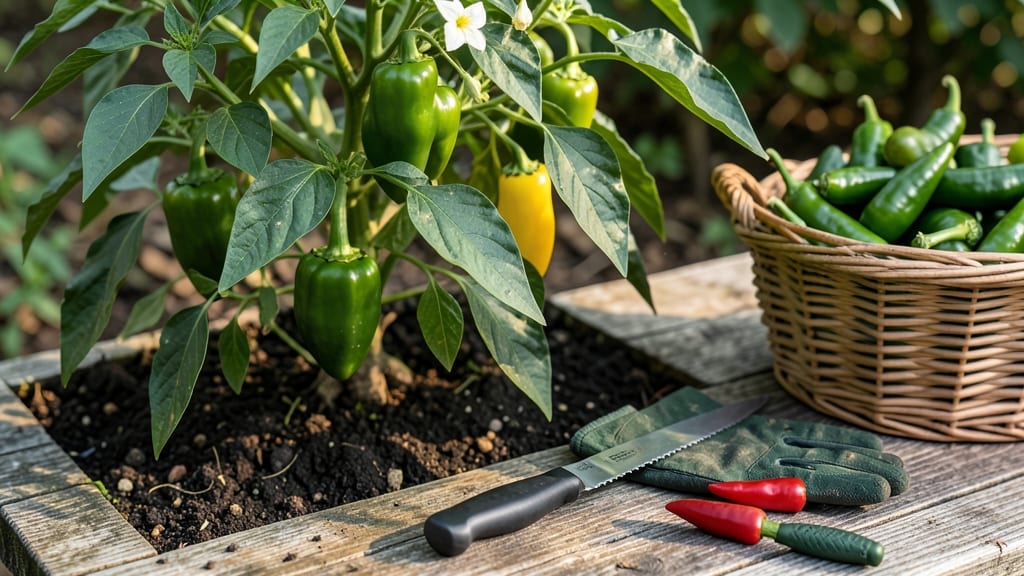
Picking jalapeños from your garden at the right time means the difference between mild, crunchy peppers and bold, fiery heat that makes your dishes pop.
Picture this: you’ve spent weeks nurturing your 🌶️ plants, and now the moment of truth arrives—when to pluck those peppers for the best flavor and spice. Harvest too early, and you’ll miss out on peak heat; wait too long, and you risk losing them to overripeness or frost.
The key? Knowing the exact visual cues and timing tricks that turn good peppers into great ones.
In this guide, I’ll walk you through the color-stage progression (from green to red), how firmness and size signal readiness, and how heat waves or cool snaps can shift your harvest window. You’ll also learn the twist-and-squeeze test to nail ripeness—no guesswork involved.
By the end, you’ll confidently pick jalapeños at their prime, ensuring every bite delivers the perfect balance of heat and flavor your garden—and your recipes—deserve.

Jalapeño color-stage guide: when to harvest for maximum heat
Timing your jalapeño harvest is an art—one that transforms mild, tangy peppers into fiery, complex flavors. The color progression from green to red isn’t just about aesthetics; it directly impacts heat levels, texture, and sweetness.
Understanding these stages helps you pick at peak ripeness for the best dishes or preserved flavors.
Most jalapeños start bright green and mature through yellow, orange, and finally red, but not all varieties turn red. Some stay green even when fully ripe!
The heat level (Scoville units) also shifts as they ripen—green peppers pack less capsaicin (milder heat) while red ones deliver 30-50% more spice. Let’s break down each stage so you never miss the sweet spot.
| Stage | Color | Size | Heat Level | Best For | Pick When |
|---|---|---|---|---|---|
| Immature Green | Bright green | 2-3 inches | 2,500-5,000 SHU | Pickling, salsas | Stem end firm, no give |
| Mature Green | Deep green | 3-6 inches | 5,000-8,000 SHU | Fresh eating, grilling | Firm but yields slightly |
| Turning (Yellow/Orange) | Yellow/orange stripes | 4-6 inches | 8,000-10,000 SHU | Fermenting, sauces | Color shifts 20-30% |
| Fully Red | Deep red | 4-6 inches | 8,000-15,000 SHU | Drying, spice blends | Uniform red, stem dry |
Harvesting immature green jalapeños (2-3 inches) gives you crisp, mild peppers perfect for pickling or salsas. These are 2,500-5,000 SHU—great if you prefer a gentle kick without overwhelming heat. I like to pick these early in the season to encourage more fruit production on my plants.
The mature green stage (3-6 inches) is where most home gardeners stop—these peppers are firm, glossy, and packed with flavor. They hit 5,000-8,000 SHU, ideal for grilling, stuffing, or fresh salads.
Look for a slight give when squeezed—this means they’re ripe but not overripe. My go-to is harvesting at this stage for versatile cooking.
If you let jalapeños ripen further, they’ll develop yellow or orange stripes before turning fully red. This turning stage signals a 20-30% increase in heat, reaching 8,000-10,000 SHU. These are fantastic for fermenting or making hot sauces. The sweetness also peaks here, balancing the spice beautifully.
For maximum heat and complexity, wait until jalapeños turn deep red. These peppers can reach 15,000 SHU—nearly 3x hotter than their green counterparts! They’re best for drying, spice blends, or long-cooked dishes where the intense flavor shines.
However, red jalapeños are softer and more fragile, so harvest them carefully.
Pro tip: Don’t wait too long for red—overripe peppers lose crispness and develop bitter notes. If your jalapeños stay green even in fall, they’re still ripe! Green jalapeños from mature plants are often hotter than red ones in cooler climates. Always taste-test a few to gauge heat levels.
Climate matters too. In hotter regions, jalapeños may ripen faster and turn red earlier. In cooler areas, they might stay green all season. Pay attention to your plant’s growth patterns and adjust your harvest timeline accordingly.
Regular picking stimulates more peppers, so don’t be shy about harvesting often!
To test ripeness beyond color, give the pepper a gentle twist. If it separates cleanly from the stem, it’s ready. Unripe peppers will resist or snap.
For extra heat, let a few ripen fully on the vine—but balance this with preserving the rest for fresh use. Happy harvesting!
5 Pro tips to avoid overripe or underripe jalapeños
Harvesting jalapeños at the perfect stage ensures bold flavor and optimal heat levels, but many gardeners wait too long for that classic red color—only to end up with bitter, overripe peppers. The key is understanding color cues and physical ripeness before they turn mushy or lose their signature kick.
I’ve learned the hard way that green jalapeños can still pack serious heat, while red ones might be past their prime if left too long on the vine.
One of my biggest mistakes was assuming all jalapeños needed to ripen to red for maximum spice. In reality, green jalapeños are often harvested for their tangy, fresh flavor and moderate heat. The color shift from green to red signals a sweeter, milder pepper—not necessarily a spicier one.
If you’re growing jalapeños for pickling or salsas, green is ideal, while red varieties (like ‘Red Jalapeño’) are better for cooking or drying. Knowing these differences saves you from overripe disappointments.
🌱 Numbered Highlights: When to Pick Jalapeños for Perfect Heat
- 📏 Size Matters: Harvest when peppers reach 3-6 inches long—smaller ones are underripe and lack flavor.
- 🤏 Firmness Test: Gently squeeze—ripe peppers yield slightly but don’t feel mushy. Overripe ones are soft and wrinkled.
- 🟢 Green = Ready: Most jalapeños are picked green for fresh use—waiting for red can mean lost heat and bitterness.
- 🔄 Regular Picking: Harvest every 2-3 days to encourage more peppers. Overloaded plants produce smaller, underripe fruits.
- ⏰ Time of Day: Pick in the morning when peppers are cool and crisp. Afternoon heat can make them flaccid.
Another pro tip I swear by is harvesting consistently. Jalapeño plants produce continuously, and if you let too many peppers mature at once, the plant’s energy gets drained, leading to smaller, underripe fruits. I now pick every 2-3 days during peak season to keep the plant productive.
This also prevents pests and diseases from targeting overripe peppers. Use clean pruning shears or scissors to avoid damaging the plant, and always pick from the bottom up to encourage upward growth.
Don’t overlook the stem’s condition—it’s a telltale sign of ripeness. When a jalapeño is ready, the stem end will start to yellow or dry slightly, while the stem itself will separate easily from the plant. If you’re tugging and the pepper won’t budge, it’s not ready yet.
This trick works even if the pepper isn’t your target color. I’ve saved many a green jalapeño from becoming overripe by checking the stem first.
If you’re growing red-ripening varieties, timing is critical. Red jalapeños are sweeter and milder but can quickly turn mealy or tough if left too long.
The red stage is ideal for drying or cooking, but for fresh eating, green or light green peppers often deliver the best heat and texture. Pro tip: If you’re unsure, pick early—you can always let them ripen indoors on a sunny windowsill.
Finally, climate matters. In hotter regions, jalapeños may ripen faster and need more frequent harvesting. In cooler climates, they might stay green longer. Pay attention to your plant’s growth rate and adjust your harvest schedule accordingly.
And remember: frost kills jalapeños, so always harvest before the first fall frost—even if the peppers aren’t fully ripe. With these tips, you’ll avoid the bitter disappointment of overripe peppers and enjoy perfectly spicy jalapeños all season long.