
Picking
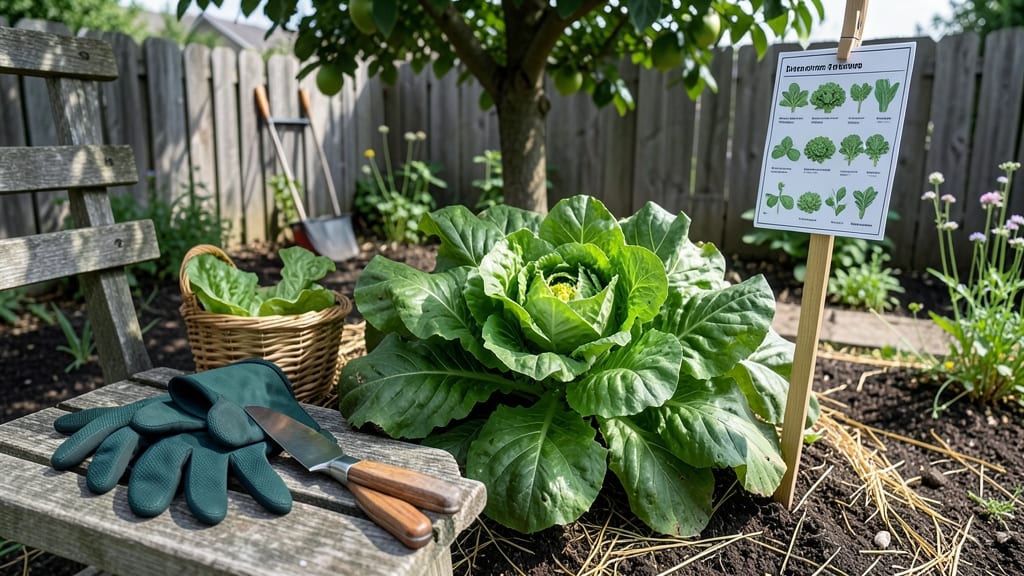
To pick lettuce from garden at the perfect moment ensures crisp, flavorful leaves instead of bitter or wilted disappointment 🥬 — and the secret lies in watching for three key signs.
Ever pulled a leaf just to find it limp and tasteless? Or worse, watched your lettuce bolt into a bitter stalk before you could even use it? Timing your harvest is the difference between a steady supply of fresh greens and a sad pile of scraps.
You don’t need a calendar or fancy tools—just your fingers and eyes. The ideal moment arrives when outer leaves hit 3-6 inches, stay firm to the touch, and hold vibrant color. Harvesting at this stage keeps your plants producing while giving you the best flavor and texture.
Below, I’ll walk you through exactly what to look for, how to harvest without damaging the plant, and what to do if you miss the window. No more guesswork—just crisp, homegrown lettuce all season long.

How to determine when lettuce is ready for harvesting (leaf-by-leaf guide)
Harvesting lettuce at the right time transforms your garden into a flavor factory. The key lies in watching for subtle leaf maturity cues—not just size, but texture and color too. Loose-leaf varieties and head lettuce have different signals, and ignoring them means sacrificing crispness for bitterness.
Let’s break down exactly what to look for to ensure your harvest delivers restaurant-quality greens every time.
First, understand that lettuce doesn’t have a single "perfect" harvest day. Instead, it’s a rolling window based on leaf development.
For loose-leaf types, you can start harvesting as soon as the outer leaves reach 3-4 inches—they’ll keep producing new growth. Head lettuce varieties, like romaine or iceberg, need patience: wait until the entire head feels firm and compact before harvesting.
Skipping these details often leads to either underripe leaves (too soft) or bolted lettuce (bitter, flowering stalks).
Environmental factors like temperature and sunlight also shift the harvest timeline. Cool spring and fall weather speeds up growth, while summer heat can stall development or trigger bolting. Morning sunlight (4-6 hours) is ideal—too much afternoon sun turns leaves bitter. Pay attention to these conditions to adjust your harvest schedule accordingly.
Here’s your quick-reference guide to spotting the perfect harvest moment:
| Lettuce Type | Harvest Cues | Days to Maturity | Ideal Leaf Size | Texture Check |
|---|---|---|---|---|
| Loose-Leaf (e.g., Buttercrunch, Oakleaf) | Outer leaves 3-6" long, vibrant color, no flowering stalks | 30-45 days | 3-6 inches | Firm, crisp, not rubbery |
| Romaine (e.g., Paris Island) | Head fully formed, compact, deep green | 60-75 days | Full head (12-18" tall) | Crisp, dense, no hollow core |
| Iceberg (e.g., Great Lakes) | Tight head, pale green, no yellowing | 70-85 days | 10-12" diameter | Crunchy, no soft spots |
| Leaf Lettuce (e.g., Red Sails) | Leaves 4-8" long, deep color, no bolting | 40-50 days | 4-8 inches | Tender, slightly wrinkled edges |
Now that you’ve got the visual cues down, let’s talk texture and flavor. A ready-to-harvest leaf should snap cleanly when bent—like a fresh carrot stick. If it bends without breaking or feels mushy, it’s overripe. Bitterness is another red flag: it signals stress from heat, drought, or bolting.
For loose-leaf varieties, harvest the outer leaves first to encourage regrowth, leaving the inner leaves to mature. This method gives you a continuous harvest for weeks.
Temperature plays a sneaky role in timing. Lettuce thrives in 50-65°F soil temps—any hotter, and it bolts. If your garden hits 75°F+, provide afternoon shade with a lightweight row cover or dappled shade cloth.
Conversely, cold snaps below 40°F slow growth, delaying harvest. Spring and fall are the sweet spots for ideal conditions, but with the right adjustments, you can harvest year-round in mild climates.
Light exposure is equally critical. While lettuce tolerates partial shade, it needs 4-6 hours of morning sun to stay crisp and sweet. Too little light stretches leaves (making them leggy and bitter), while too much afternoon sun causes bolting.
If your lettuce starts sending up tall flower stalks, it’s past its prime. Harvest immediately or trim the stalks to salvage the remaining leaves for salads.
One of the biggest mistakes gardeners make is waiting for perfect symmetry. Head lettuce doesn’t need to be flawless—just firm and compact. For loose-leaf types, uneven growth is normal; focus on leaf size and texture.
If you’re unsure, do the "thumb test": gently press a leaf. It should feel resilient, not squishy. This simple check saves countless bitter harvests.
Finally, timing matters beyond the plant. Harvest on a cool morning after dew has dried but before the sun peaks. This preserves crispness and flavor. Use a sharp knife or clean scissors to avoid tearing leaves—rough cuts invite pests and disease.
For head lettuce, twist gently at the base to lift the entire plant; for loose-leaf, snip individual leaves just above a leaf node to encourage regrowth.
With these tips, you’ll never again wonder if your lettuce is ready. The secret? Observe daily, adjust for your climate, and harvest with confidence. Your garden’s crisp, flavorful greens are just a few leaf checks away! 🥬✂️🌱
Step-by-step leaf-by-leaf harvesting technique for continuous lettuce growth
Once you’ve spotted those perfect 3-6 inch outer leaves, it’s time to harvest without killing your plant’s growth cycle. The key is to remove only the largest, most mature leaves while leaving the inner rosette intact. This method keeps your lettuce producing fresh greens for weeks—sometimes even months—if done correctly.
I’ve harvested this way for years, and my plants reward me with a steady supply of crisp leaves instead of one big, bitter disappointment.
Start by gathering a few simple tools: a pair of clean, sharp scissors or pruning shears (to avoid tearing leaves), a small bowl for your harvest, and a spray bottle with water (to revive wilted leaves later).
Work on a cool morning when leaves are turgid and full of moisture—this ensures cleaner cuts and fresher greens. Avoid harvesting in the heat of the day, as stressed plants are more prone to bolting or wilting.
📌 Pro Tip: If your lettuce looks wilted but the soil is moist, give it a quick 10-minute soak in a shallow tray of water before harvesting. This revives limp leaves and makes them crisp again—perfect for salads!
- Step 1: Identify the outer leaves to harvest—look for the largest, most mature leaves that are 3-6 inches long and fully unfurled. These are ready to go!
- Step 2: Hold the leaf firmly at its base with one hand, about 1/4 inch above the next leaf. This prevents damaging the growing point.
- Step 3: Cut or snap the leaf cleanly at a 45-degree angle using your scissors. For loose-leaf varieties, you can also gently pinch the leaf just above the next one.
- Step 4: Leave at least 2-3 inches of growth remaining on the plant. This ensures the inner leaves stay protected and continue growing.
- Step 5: Store harvested leaves in a plastic bag with a paper towel to absorb moisture. Keep them in the fridge for up to 5-7 days for maximum crispness.
- Step 6: Encourage regrowth by watering the base of the plant deeply after harvesting. Add a light mulch (like straw) to retain moisture and deter pests.
After harvesting, your lettuce will often bounce back with new growth in just 5-7 days. To extend the harvest season, I recommend succession planting every 2-3 weeks in spring and fall. This ensures you always have fresh leaves ready to pick, even as older plants mature.
For head lettuce varieties, like romaine or iceberg, wait until the entire head is firm before harvesting—cut it at the base with a knife instead of leaf-by-leaf.
If your lettuce starts to bolt (send up a flower stalk), don’t panic! You can still salvage it by harvesting the outer leaves quickly and keeping the plant well-watered. Bolted lettuce tastes bitter, but the leaves closest to the base may still be tender enough for cooking.
For future plants, opt for heat-tolerant varieties like Jericho or Black Seeded Simpson, which handle warmer weather better and delay bolting.
With this method, I’ve kept lettuce producing for up to 8 weeks in my garden—far longer than the usual 3-4 weeks for a single planting. The secret? Consistent care, proper timing, and a little patience.
Soon, you’ll have a never-ending supply of homegrown greens ready for salads, sandwiches, or smoothies—no store-bought lettuce required! 🥬