
Picking
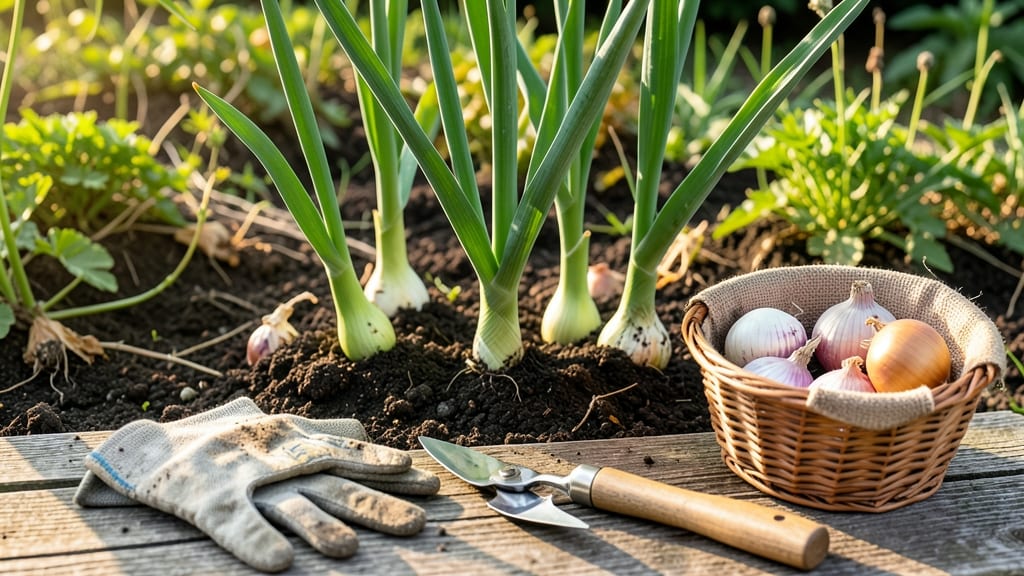
To pick onions from your garden at the perfect time means snagging bulbs that are sweet, firm, and ready for storage—before they bolt or rot in the heat.
Picture this: you’ve nurtured your 🧅 onions all season, and now the moment of truth arrives. One wrong move, and you’re left with tough, pungent bulbs that won’t store well. But get the timing right, and you’ll harvest flavorful, long-lasting onions that make every meal better.
Knowing when to pull them isn’t just about days after planting—it’s about watching for telltale signs like yellowing tops, firm bulbs, and dry papery skins. These cues matter more than a calendar, especially in Zone 6a where late-summer heat can sneak up fast.
In this guide, I’ll walk you through the top 5 visual cues to harvest at peak perfection, plus how to handle green onions vs. storage types—so you never miss the window again.

Top 5 visual cues to harvest onions at peak flavor
Harvesting onions at the right moment transforms your garden into a treasure trove of sweet, flavorful bulbs instead of tough, pungent ones. The key lies in recognizing 5 clear visual cues that signal peak ripeness—whether you're growing green onions or storage onions.
Ignoring these signs can lead to bolting or rot, so let's dive into what your onion plants are telling you.
First, understand that green onions and storage onions have different harvest windows. Green onions (or scallions) can be harvested multiple times, while storage onions need precise timing to develop their signature sweetness. The perfect harvest moment depends on these visual cues, which we'll explore in detail below.
- 1 Leaf Color Shift: Green tops turning yellow-brown at the tips (for storage onions) or fully yellow (for green onions) signals readiness.
- 2 Bulb Size: Storage onions should reach 2-3 inches in diameter (about the size of a golf ball) for peak flavor and storage potential.
- 3 Neck Tightening: The stem neck tightens and tops flop over when bulbs are ready—this prevents moisture loss and bolting.
- 4 Papery Skin: Dry, papery outer layers form when bulbs are fully mature—this protects storage onions during curing.
- 5 Root Development: White roots emerging from the bulb base indicate the plant is redirecting energy to storage—perfect for harvest.
A yellowing top is the most reliable cue for storage onions, but don't wait until the entire plant turns brown—this signals overmaturity and bitter flavor. For green onions, harvest when the lower stems are tender (about 6-8 inches tall) and snip just above the soil line to encourage regrowth.
Seasonal variations matter too. In hot climates, onions may mature faster (60-80 days), while cooler regions can take up to 120 days. Always harvest before the first frost, as freezing temperatures turn bulbs mushy.
Pay attention to your local climate zone—USDA Zone 5 gardeners should harvest by late August, while Zone 8 can extend until October.
Pro tip: Gently squeeze the bulb when checking readiness—it should feel firm and round, not soft or hollow. Soft bulbs mean they've started to rot, while hollow ones indicate the plant bolted too early.
If you're unsure, dig up one bulb to inspect the neck tightness—this is the best way to test without risking the whole crop.
For long-day varieties (like Yellowstone or Sweet Spanish), watch for 14+ hours of daylight to trigger bulb formation. Short-day onions (like Texas Early White) mature faster in shorter daylight conditions. Always adjust your harvest timing based on your onion variety and local daylight hours.
Once you spot these harvest cues, act quickly! Use a sharp garden fork to loosen soil around the bulb, then grasp the green tops and lift gently.
Avoid cutting bulbs—this can introduce rot-causing bacteria. Let harvested onions cure in the sun for 1-2 hours to toughen skins before storing.
Remember, harvesting too early means small, pungent bulbs, while waiting too long leads to tough, stringy onions. Mastering these visual cues ensures your garden delivers sweet, flavorful onions every season—no guesswork required!
Onion harvesting mistakes that ruin your crop (and how to avoid them)
Harvesting onions at the wrong time can turn your hard-earned crop into tough, pungent bulbs that spoil quickly. The most common mistake? Waiting until the tops are completely brown and dry—by then, the bulbs may have already started to rot from the inside.
Another frequent error is harvesting in wet conditions. Damp soil and foliage create the perfect environment for fungal diseases like mold, which can ruin your entire harvest in days. Even if you cure them properly afterward, the damage is often irreversible.
Many gardeners also make the mistake of storing onions without proper curing. Skipping this critical step means bulbs won’t develop their protective layers, leading to premature sprouting or spoilage. Even if you’ve picked them at the perfect time, poor post-harvest care can still waste your efforts.
Onions left in the ground past their prime develop hollow centers and bitter flavors. The neck tightens and tops flop over—this is your final warning before bolting occurs. If you miss this window, your crop is essentially ruined for storage.
Improper storage is another silent killer of onions. Many people think they can just toss harvested bulbs into a plastic bag, but this traps moisture and accelerates spoilage. Instead, store them in a well-ventilated, cool (50-60°F), and dry place with good airflow—like a mesh bag or open crate.
Even the way you handle onions after pulling them matters. Never wash freshly harvested onions, as moisture triggers decay. Instead, let them cure for 2-3 weeks in a dry, shaded area before storing. This hardens the skins and extends shelf life by months.
Finally, some gardeners overlook regional differences. In Zone 6a, late-summer heat means onions mature faster, so you must watch for harvest cues more closely. If you’re in a cooler climate, the window for harvesting may stretch longer—but don’t assume your onions will last indefinitely in the ground.
By avoiding these common pitfalls, you’ll ensure your onions stay fresh, flavorful, and long-lasting—ready to elevate every dish from your garden to your table. 🧅