
Picking
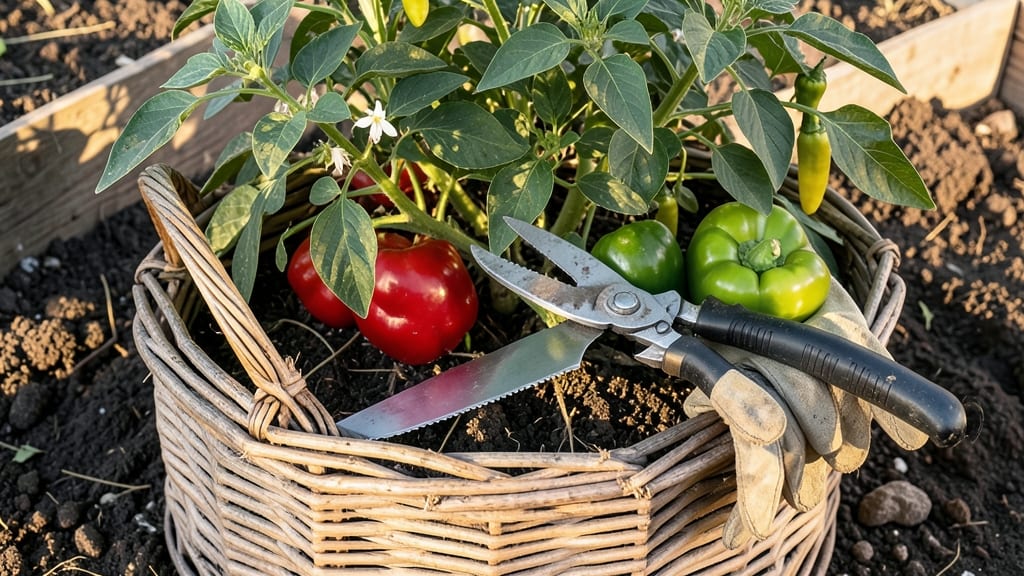
To pick peppers from your garden at the perfect moment means locking in flavor, texture, and a bumper harvest—but most gardeners miss the window by days, even weeks.
Picture this: you’ve nurtured your 🌶️ plants all season, only to pull a pepper that’s either still hard and bland or so soft it collapses in your hand. That’s the cost of guessing. The truth? Ripeness isn’t just about color—it’s a mix of size, firmness, and even the weather outside.
In this guide, I’ll walk you through the exact stages to watch for, from the first green hint to the deep red (or purple, or yellow) peak. You’ll learn how to test for readiness without damaging the plant, plus how heat waves or early frosts can throw off your timing.
By the end, you’ll know not just when to pick, but how—so every pepper you harvest tastes like the sweet victory it is.

Peppers ripeness stages by color: the ultimate harvesting guide
Harvesting peppers at the right moment makes all the difference between a bland snack and a flavor explosion. Unlike many vegetables, peppers change color as they ripen—each shade signals a unique flavor profile and texture.
Green peppers are crisp and mild, while reds develop deep, sweet complexity. Understanding these color-coded stages ensures you never miss peak harvest time.
Most pepper varieties follow predictable ripening patterns, but some, like purple or yellow types, have shorter windows. Temperature and sunlight also play critical roles—cooler weather slows ripening, while hot summers can rush peppers to overripeness.
Below, I’ve broken down each stage with exact harvesting cues, flavor shifts, and storage tips to keep your peppers fresh longer.
Pro Tip: Always harvest with clean, sharp pruning shears or scissors to avoid damaging the plant. Twisting peppers off can harm the stem and reduce future yields.
Green peppers are often harvested early for their crisp texture and mild flavor, but many varieties—like bell peppers—continue ripening if left on the plant. If you’re growing jalapeños or serranos, green peppers are still spicy but less intense than their mature counterparts.
Wait until the pepper reaches its full size (typically 3-6 inches long) before picking for the best heat balance.
Yellow and orange peppers are often overlooked but pack a unique flavor punch. Yellow varieties like Lemon Drop develop a bright, citrusy taste, while oranges—such as Orange Banana Peppers—offer a caramel-like sweetness.
These stages are ideal for roasting or stuffing, as their skins soften slightly, absorbing flavors beautifully. Harvest them when the color is uniform and vibrant, not streaky.
Red peppers are the crowning glory of any pepper harvest, delivering peak sweetness and a rich, complex flavor. The longer they stay on the vine, the deeper the flavor—up to a point. Overripe red peppers (wrinkled or soft) lose their snap and develop a mealy texture.
For bell peppers, aim for a glossy, deep red hue. Hot peppers like cayenne or habanero should be harvested when fully red for maximum capsaicin (the compound that delivers heat).
Purple peppers, like Black Hungarian or Purple Beauty, are a gardener’s secret weapon. They ripen quickly but fade to red or brown if left too long. Their earthy, slightly bitter flavor makes them perfect for unique dishes.
Harvest them when fully purple and firm—these peppers are best used fresh or pickled, as they don’t store as long as red or yellow varieties.
To extend your pepper harvest, consider succession planting or choosing varieties with staggered ripening times. For example, plant early-season Sweet Banana Peppers alongside late-season Jalapeños
How to test pepper ripeness beyond color: tactile and taste clues
Color alone isn’t always the best indicator of pepper ripeness—especially when dealing with heirloom varieties or unpredictable weather. I’ve learned that the perfect harvest often comes down to what’s happening inside the pepper, not just on the surface.
Let’s explore the tactile and flavor cues that’ll help you pick peppers at their peak.
First, consider the firmness test. A ripe pepper should feel firm but slightly yielding when you gently squeeze it. Think of it like a ripe avocado—it gives just a little under pressure but doesn’t feel mushy.
If your pepper feels rock-hard, it’s likely still maturing, while a soft or wrinkled one is overripe. This tactile check works for bell peppers, jalapeños, and even habaneros.
Next, examine the stem and seed development. For peppers that change color (like red bell peppers or yellow banana peppers), the stem should turn from green to brown or tan. This color shift signals the pepper is ready to harvest.
Inside, the seeds should be fully developed and slightly sticky—if they’re still white or hard, the pepper needs more time on the plant.
- 👍 Firmness Test: Gently press the pepper—it should yield slightly but not feel mushy.
- 🌱 Stem Color: Check for a brown or tan stem end (for color-changing varieties).
- 🌡️ Temperature Check: Harvest hot peppers when temps drop below 85°F to preserve heat levels.
- 👅 Flavor Test: Taste a small section—sweet peppers should be mild and crisp, while hot peppers should pack heat.
- ⏰ Timing Matters: Morning harvests prevent overnight moisture loss and maintain freshness.
Don’t overlook the flavor progression. Sweet peppers like bell peppers develop their signature taste as they ripen, while hot peppers (like cayenne or serrano) intensify in heat.
If you’re unsure, take a small bite—ripe sweet peppers should be crisp and mild, while hot peppers should deliver a consistent, bold kick. If the flavor is weak or bland, the pepper isn’t ready yet.
One of the biggest mistakes I’ve seen is harvesting too early to avoid overripeness. While it’s true that overripe peppers can become mealy or bitter, pulling them too soon stunts the plant’s ability to produce more.
For continuous harvests, aim to pick peppers when they’re 80-90% ripe—this encourages the plant to keep flowering and fruiting.
Finally, watch for environmental clues. If your area is experiencing a heatwave or early frost, adjust your harvesting timeline. Hot peppers, in particular, can lose their capsaicin potency if left on the plant in extreme heat.
Conversely, a sudden drop in temperature can halt ripening entirely. Staying attuned to your local weather patterns will help you fine-tune your picking schedule.
By combining these tactile and taste tests, you’ll never second-guess whether a pepper is ready again. The next time you’re in your garden, take a moment to feel, see, and even taste—your future harvests (and your taste buds) will thank you. 🌶️