
Planting
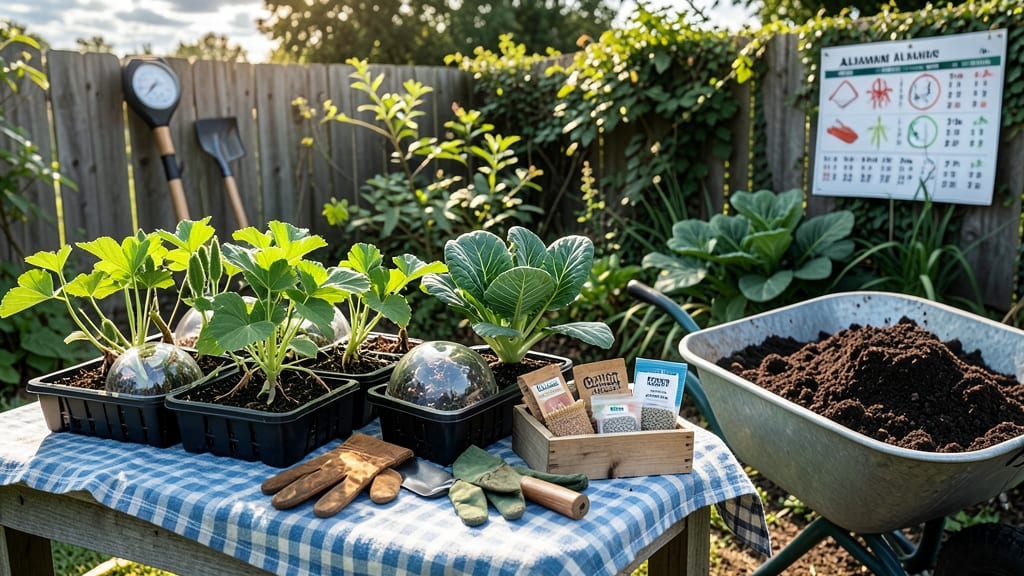
Planting a garden in Alabama at the right time means the difference between a bountiful harvest and a lost season — and the best windows are far more specific than "spring" or "fall."
Alabama’s warm climate and long growing season make it a gardener’s paradise, but planting too early or late can mean the difference between a thriving harvest and a failed crop. Timing is everything, especially when heat and humidity play a bigger role than in cooler states.
For example, cool-season crops like broccoli or lettuce need to go in the ground 4-6 weeks before your last frost, while tomatoes and peppers thrive only after soil temperatures hit 60°F.
In USDA zones 7a-8b, the ideal planting window for most vegetables stretches from late February to early April in the spring and August to September in the fall. Coastal areas like Mobile can start even earlier, while northern Alabama may need to wait until mid-March to avoid late frosts.
Below, I break down the exact dates for each zone, plus heat-tolerant crops that outperform in Alabama’s summer heat.
You’ll also discover how to prep your 🌱 General Alabama Garden for success, avoid common mistakes (like planting too early or ignoring soil pH), and extend your growing season with mulching and shade cloth. Ready to turn your Alabama garden into a year-round success? Let’s get started.
Alabama planting zones: when to start cool vs. warm-season vegetables
Alabama’s USDA planting zones 7a-8b create a unique gardening challenge—balancing cool-season crops with heat-tolerant varieties that thrive in summer humidity.
Unlike northern states, Alabama’s last frost date ranges from mid-March in the north to early February in the south, while the first frost arrives as late as mid-November in coastal areas. This extended growing season lets you grow two full harvests per year if you time it right.
Cool-season vegetables like broccoli, lettuce, and spinach need to be planted 8-10 weeks before your last frost, while warm-season crops (tomatoes, peppers, okra) must wait until soil temperatures hit 60°F+. In Alabama, that means late February for southern zones and mid-March for northern areas.
The key? Knowing your microclimate—whether you’re in dry north Alabama or humid coastal regions—will determine your success.
Here’s the breakdown of optimal planting windows for Alabama’s most popular vegetables, organized by cool vs. warm-season and USDA zone:
| Crop Type | USDA Zone 7a | USDA Zone 7b | USDA Zone 8a | USDA Zone 8b | Notes |
|---|---|---|---|---|---|
| Cool-Season Starts | Feb 15 - Mar 1 | Feb 1 - Feb 15 | Jan 20 - Feb 10 | Jan 1 - Jan 20 | Broccoli, lettuce, spinach, kale |
| Warm-Season Starts | Apr 15 - May 1 | Apr 1 - Apr 15 | Mar 20 - Apr 10 | Mar 1 - Mar 20 | Tomatoes, peppers, okra, sweet potatoes |
| Fall Cool-Season | Aug 1 - Aug 15 | Jul 30 - Aug 10 | Jul 20 - Jul 30 | Jul 10 - Jul 20 | Carrots, radishes, turnips |
| Heat-Tolerant Picks | Black-eyed peas, malabar spinach | Black-eyed peas, cowpeas | Okra, sweet potatoes | Okra, eggplant, peppers | Plant after Memorial Day for best results |
For cool-season crops, I recommend starting seeds indoors 4-6 weeks before your target planting date to give them a head start. Alabama’s humid springs can cause seed rot, so use sterilized seed trays and avoid overwatering.
Once seedlings are 2-3 inches tall and temperatures stay above 50°F at night, transplant them outdoors.
Warm-season vegetables are trickier—they need consistent warmth to germinate. If you plant too early, seeds may rot in cool, wet soil. To test soil temperature, use a soil thermometer (aim for 60°F+). If it’s too cool, wait or use black plastic mulch to warm the soil faster. Okra and sweet potatoes are my top picks for Alabama’s heat—they thrive when other crops wilt.
Don’t forget about fall planting! Alabama’s mild winters let you grow cool-season greens until November. For a second harvest, sow radishes and lettuce in late summer (August) and use row covers to protect them from light frosts.
This extends your harvest window by 4-6 weeks compared to northern gardens.
One common mistake I see is planting warm-season crops too early because the weather seems warm. But daytime heat ≠ soil heat
Heat-tolerant vegetables that outperform in Alabama’s summer heat
Alabama’s summer heat can wilt many gardeners’ dreams, but some vegetables thrive under the blazing sun when planted at the right time. These heat-tolerant varieties not only survive but flourish in temperatures that would cook other plants.
The key is timing—most should go into the ground after your last frost date, typically mid-March to early April, but some can handle even later starts.
For example, okra and sweet potatoes love the heat and can be planted as late as June in Alabama’s warmer zones. Meanwhile, Malabar spinach and eggplant prefer slightly cooler starts but still perform well in summer’s peak.
Below, I’ve highlighted the top 10 heat-resistant crops and their ideal planting windows to maximize your harvest.
- 1 Okra: Plant April–June; thrives in 90°F+ heat. Harvest pods when 3–5 inches long for tender texture.
- 2 Sweet Potatoes: Start slips April–May; needs 100+ days to mature. Ideal for full sun and well-draining soil.
- 3 Malabar Spinach: Plant March–July; grows in partial shade. Harvest leaves continuously for regrowth.
- 4 Eggplant: Sow seeds April–May; transplant after soil reaches 70°F. Mulch to retain moisture.
- 5 Black-Eyed Peas: Plant March–April or August–September for fall harvest. Tolerates heat and drought once established.
- 6 Peppers (Hot & Sweet): Transplant April–May after frost. Use shade cloth if temps exceed 95°F.
- 7 Cowpeas: Direct-sow April–June. Fixes nitrogen in soil and resists heat stress.
- 8 Tomatillos: Plant March–April; thrives in humid heat. Harvest when husks turn brown and papery.
- 9 Sorghum: Sow April–June; drought-tolerant and high-yielding. Grows up to 12 feet tall.
- ★★★★★4.6(12 reviews)