
Planting
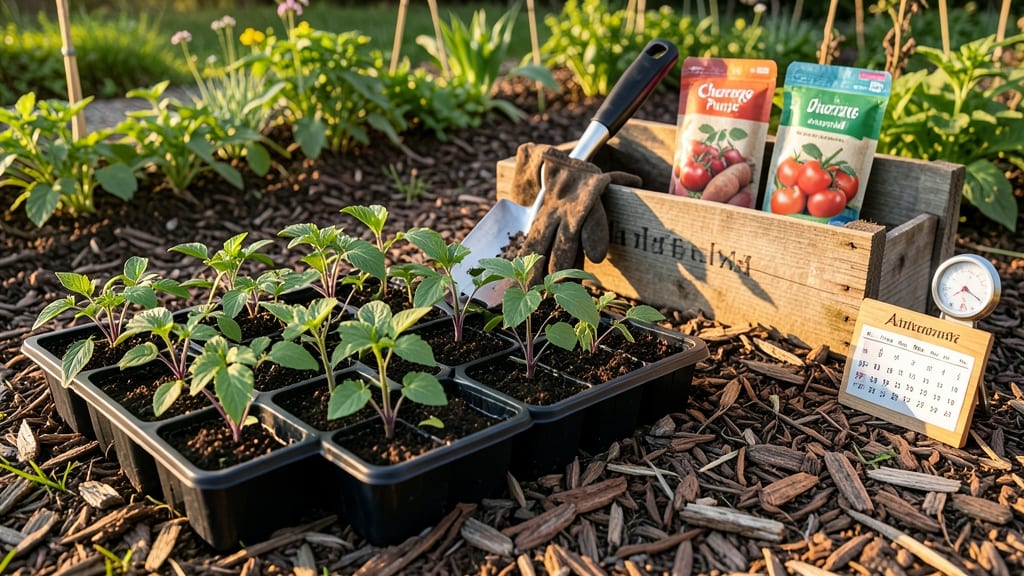
Planting a garden in Arkansas means timing your crops to avoid frost and maximize yields, with the ideal window running from late February through early April for spring and August to early September for fall.
Arkansas gardeners know timing is everything—plant too early and face frost damage, too late and miss peak harvests. With its diverse climate zones, Arkansas demands precision planting to maximize yields, but where do you even start?
From the cooler Ozark Mountains to the warmer Delta region, your planting schedule should align with your USDA zone (7a-8a) and last frost dates, typically around March 15 in most areas.
Cool-season crops like lettuce and peas can go in as early as February, while tomatoes and peppers need to wait until soil warms to at least 60°F.
Below, I’ll break down the exact months for planting vegetables, flowers, and perennials in Arkansas—plus tips for extending your growing season with cold frames and row covers so you can grow more, longer.
Arkansas planting zones: key dates by region for maximum success
Arkansas spans USDA Hardiness Zones 6b through 8a, creating distinct planting windows across its regions. The Delta region (Zone 7b-8a) enjoys longer growing seasons, while the Ozarks (Zone 6b-7a) face earlier frosts. Understanding these zones helps you time your cool-season crops like broccoli and warm-season crops like tomatoes perfectly.
Your planting success hinges on last frost dates (typically mid-March to late April) and first frost dates (usually mid-October to November).
For example, Zone 6b gardeners in the Ozarks should wait until after April 15 to plant frost-sensitive tomatoes and peppers, while Zone 8a growers in the Delta can start as early as mid-March.
Here’s a quick reference for Arkansas’ three main regions—Northwest, Central, and Delta—with their key planting windows and frost-free periods:
| Region | USDA Zone | Last Frost Date | First Frost Date | Cool-Season Planting | Warm-Season Planting |
|---|---|---|---|---|---|
| Northwest (Fayetteville, Rogers) | Zone 7a | April 1-15 | October 31-Nov 15 | Feb 15-Apr 15 | Apr 15-May 15 |
| Central (Little Rock, Hot Springs) | Zone 7b | March 20-Apr 5 | Nov 1-15 | Feb 1-Mar 31 | Apr 1-May 10 |
| Delta (Jonesboro, Texarkana) | Zone 8a | March 1-15 | Nov 15-Dec 1 | Jan 15-Apr 1 | Mar 15-Apr 30 |
For cool-season crops like kale, spinach, and peas, start seeds indoors 6-8 weeks before your last frost date. In Zone 6b, this means sowing by early February, while Zone 8a gardeners can begin as late as mid-March.
Transplant seedlings outdoors 2-3 weeks before the last frost to harden them off.
Warm-season crops such as tomatoes, peppers, and cucumbers thrive when soil temperatures reach 60°F or higher. Use a soil thermometer to monitor—most Arkansas regions hit this mark by mid-April. In the Delta (Zone 8a), you can even plant early varieties as soon as mid-March under row covers.
Extend your growing season with row covers or cold frames in Zones 6b-7a. These tools can push your last frost date back by 2-4 weeks, allowing you to plant broccoli or lettuce as late as May 1 in the Ozarks.
Just remove covers during the day to prevent overheating.
Fall planting follows a reverse schedule. Start warm-season crops like sweet potatoes in late July (Zone 8a) or early August (Zones 6b-7a) for a harvest before frost.
For cool-season crops, sow seeds 60-90 days before your first frost—typically late July to early September—to ensure maturity before winter sets in.
Pro tip: Use Arkansas State University’s interactive planting calendar (available online) to pinpoint your exact microclimate. Factors like elevation (e.g., Mount Ida’s Zone 7a) or urban heat islands (e.g., Little Rock’s Zone 7b) can shift your frost dates by 1-2 weeks.
Always verify with local Cooperative Extension Service data for precision.
Remember, soil temperature matters more than air temperature. A 50°F soil can delay seed germination by weeks. Use a soil thermometer to confirm readiness—most seeds need 55-65°F for optimal growth. In Zone
Best crops to plant in Arkansas by season: a month-by-month guide
Arkansas gardeners thrive when they align their planting schedule with the state's diverse microclimates. The Ozark Mountains (Zone 7) have cooler springs, while the Delta region (Zone 8) can handle earlier warm-season crops.
My month-by-month guide ensures you plant at the perfect time for maximum harvests and frost-free growth.
Start with cool-season crops like spinach and peas in January-February for early harvests. Then transition to warm-season favorites—tomatoes, peppers, and squash—after your last frost date (typically March 15 in most zones).
For Zone 8 gardeners, summer heat-tolerant crops like okra and sweet potatoes thrive when planted in June-July.
📅 Arkansas Planting Calendar by Month
- January-February: Spinach, peas, onions, lettuce (cool-season crops). Start seeds indoors for tomatoes and peppers.
- March: Plant carrots, radishes, cabbage, and harden off seedlings like tomatoes and peppers for outdoor transplanting after March 15.
- April: Sow beans, corn, squash, and cucumbers. Succession plant lettuce for fall harvests.
- May-June: Plant okra, sweet potatoes, and melons in Zone 8. Mulch to retain moisture.
- July-August: Direct-sow fall crops like kale, broccoli, and beets for harvests before first frost.
- September: Last chance for warm-season crops like pumpkins and collard greens in Zone 7.
For Zone 7 gardeners, prioritize early spring planting of cool-season crops and use row covers to extend harvests into late fall. In Zone 8, focus on heat-loving crops like okra and eggplant, which thrive in summer's 90°F+ temperatures.
Extend your growing season with cold frames or low tunnels to protect spinach and kale from light frosts. My fall planting tip: Start broccoli and cauliflower in August for October-November harvests before hard frosts hit.
Pro tip: Test soil temperature before planting warm-season crops—aim for 60°F+ for tomatoes and peppers. Use a soil thermometer to avoid poor germination or stunted growth.
By following this month-by-month guide, you’ll maximize yields, avoid frost damage, and enjoy fresh produce year-round—no matter your Arkansas zone! 🌱