
Planting
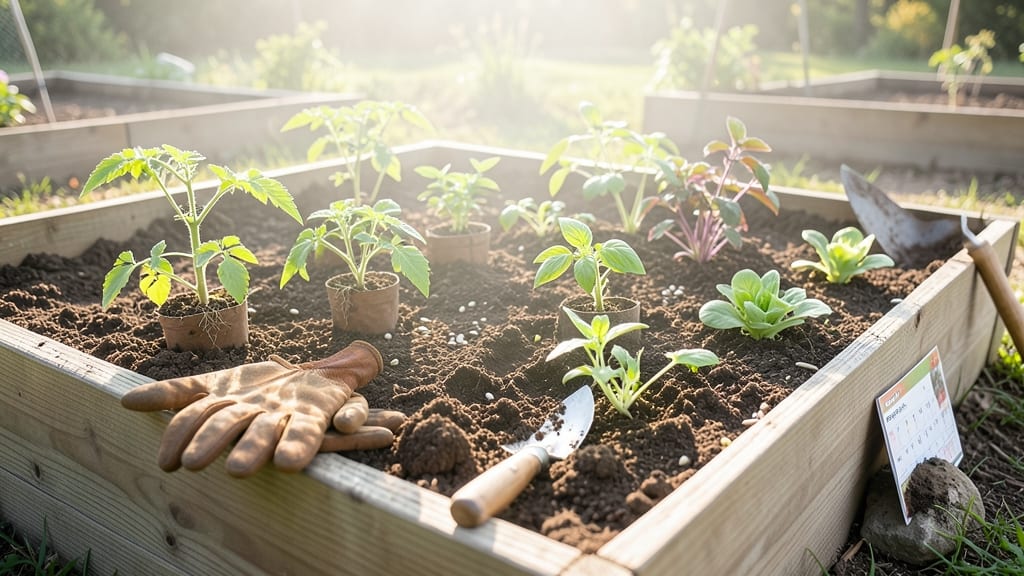
Planting a garden in Virginia requires timing it right—your last frost dates by zone are the key to avoiding frost damage and maximizing harvests.
Virginia’s diverse climate zones mean your garden’s success hinges on timing—plant too early and risk frost damage, too late and miss peak harvests. Mastering the last frost dates by zone is your secret weapon for a thriving garden 🌱.
From the cooler 6a regions in the mountains to the warmer 8a zones along the coast, each area has its own planting window. Cool-season crops like broccoli and spinach can go in as early as late February, while warm-season favorites like tomatoes need to wait until after mid-April.
Below, I’ll break down the exact planting months for your zone, plus pro tips to extend your growing season with row covers and cold frames—so you can enjoy fresh harvests all year.
Virginia’s last frost dates by USDA hardiness Zone (critical planting timeline)
Understanding Virginia’s last frost dates is non-negotiable for gardeners. The state spans USDA zones 5a through 8a, meaning your Piedmont region (Zone 7a) has a completely different timeline than coastal Virginia Beach (Zone 8a). Even a 2-week difference can mean the difference between thriving tomatoes and frost-nipped seedlings.
For risk-averse gardeners, I recommend using the 80% frost-free probability rule—planting only when there’s an 80% chance no frost will occur after your chosen date.
This approach adds a 1-2 week buffer beyond the average last frost date, giving your plants the best chance to establish roots before summer heat arrives.
Here’s how Virginia’s zones break down with last frost dates, frost-free probabilities, and planting windows tailored to your location. Use this as your garden’s command center for timing everything from cool-season crops to warm-season favorites.
🌱 PRO TIP: Bookmark this table and check your local National Weather Service forecasts 1-2 weeks before planting. Microclimates—like urban heat islands or valley bottoms—can shift frost dates by 3-7 days.
| USDA Zone | Avg. Last Frost Date | 80% Frost-Free Date | Plant Warm-Season Crops After | Plant Cool-Season Crops Before |
|---|---|---|---|---|
| 5a (Highland Areas) | April 15 | April 25 | May 10 | March 1 |
| 6a (SW Virginia) | April 1 | April 10 | April 25 | February 15 |
| 6b (Piedmont) | March 25 | March 31 | April 15 | February 1 |
| 7a (Central VA) | March 15 | March 22 | April 5 | January 15 |
| 7b (Tidewater) | March 1 | March 10 | March 25 | January 1 |
| 8a (Coastal VA) | February 15 | February 25 | March 10 | December 15 |
| 🌡️ Note: Coastal areas (Zone 8a) can plant 4-6 weeks earlier than mountainous regions (Zone 5a). | ||||
If you’re in Zone 5a or 6a, don’t panic if frost lingers into April—these zones are perfect for early varieties like ‘Early Girl’ tomatoes or ‘Sugar Snap’ peas, which tolerate cooler soils.
In Zone 8a, you can even plant warm-season crops like okra or sweet potatoes as early as mid-February under row covers.
For herbs and leafy greens, I recommend starting seeds 6-8 weeks before your last frost date. For example, spinach and kale in Zone 7a can go in the ground by February 1, while lettuce in Zone 5a should wait until March 15 to avoid bolted, bitter leaves.
🌿 WARNING: Even after the last frost, late-season frosts can sneak in—especially in valleys or low-lying areas. Use frost blankets or row covers for 2-3 weeks after planting to protect tender seedlings like peppers and eggplants.
Pro gardeners in Virginia also use the “10-day rule”: Wait 10 days after your zone’s 80% frost-free date to plant heat-loving crops like cucumbers and squash. This ensures soil temperatures are consistently above 60°F, which is critical for germination.
Finally, don’t forget
Best planting months for Virginia vegetables (Zone-specific calendar)
Timing your garden in Virginia means balancing cool-season crops like kale and spinach with warm-season favorites like tomatoes and peppers. Each of Virginia’s USDA zones (6a-8a) has unique planting windows, so I’ve tailored this guide to help you maximize yields without frost damage.
For Zone 6a (mountains) and Zone 7a (Piedmont), start cool-season crops in late February and warm-season crops after mid-April. In Zone 8a (coastal), you can plant warm-season crops as early as mid-March and extend fall planting into October.
Succession planting is key—sow lettuce every 2 weeks from March to September for continuous harvests. Meanwhile, tomatoes and peppers thrive when planted after the last frost, but basil and cucumbers need soil temperatures above 55°F to germinate.
In Zone 6a, prioritize fast-maturing varieties like bush beans (50 days) and radishes (30 days) to avoid early frosts. For Zone 8a, you can even plant winter greens like spinach in October for harvests through December.
Use row covers to extend early spring planting by 2-3 weeks in colder zones. For example, broccoli planted in late January under covers will be ready by April, giving you a head start on the season.
Plan for fall harvests by sowing carrots and kale in August—they’ll mature before the first frost in November. In Zone 7a, peppers planted in late July can produce into October if given enough sunlight.
Pro tip: Keep a gardening journal to track your local frost dates and adjust planting windows yearly. With the right timing, you can enjoy fresh homegrown vegetables from spring to fall! 🌱