
Planting
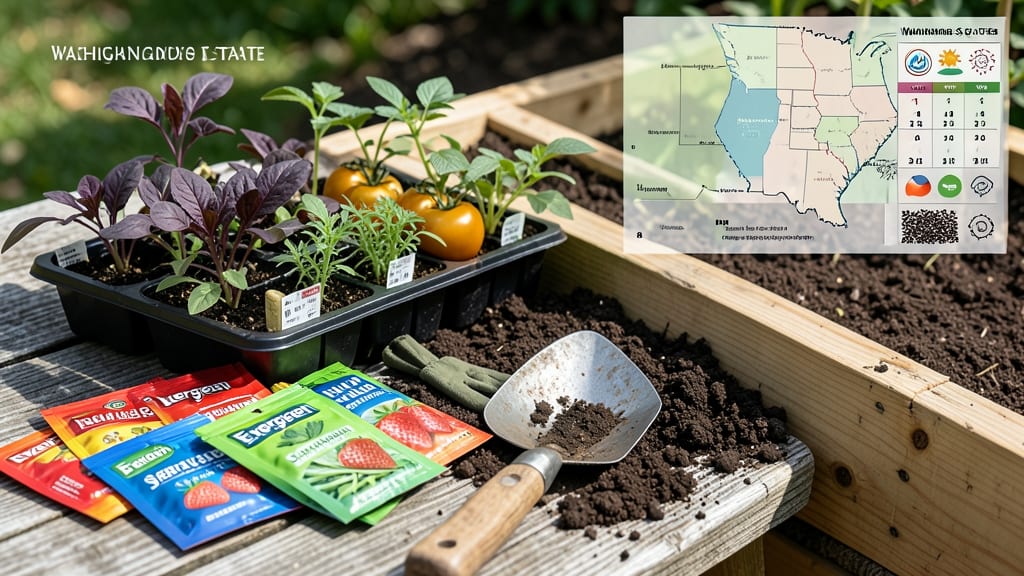
To plant a garden in Washington State, timing depends on your zone—whether you're in the rainy Puget Sound or the drier East Side, where a late frost can still hit in May.
Washington State’s diverse climate—from rainy coastal zones to arid inland valleys—means planting your garden at the wrong time can mean wasted seeds or stunted growth. Timing is everything, and knowing your USDA hardiness zone could be the difference between a thriving harvest and a disappointing flop.
Cool-season crops like lettuce and peas love the early spring soil, while tomatoes and peppers need to wait until after the last frost, which can vary from March in the coastal areas to May inland. Missing that window means slower growth or even lost plants.
Below, I break down the ideal planting windows by region, plus pro tips to extend your growing season—so you can enjoy fresh produce from spring to fall without the guesswork.
Washington State planting zones: key dates by region for frost-free success
Washington State spans USDA hardiness zones 7-9, creating dramatic differences in planting windows from the cool, wet Puget Sound to the hot, dry Columbia Basin. Understanding these zones helps you avoid frost damage and maximize your harvest.
For example, Seattle (Zone 8) has a longer growing season than Spokane (Zone 6), but both require careful timing to beat early frosts.
The last spring frost varies dramatically—coastal areas like Olympia may see frost as late as May 15, while inland cities like Yakima (Zone 7) typically reach May 1.
Meanwhile, the first fall frost can arrive as early as September 15 in the mountains or linger until November 1 near the coast. These dates dictate when to plant cool-season crops like kale versus warm-season favorites like tomatoes.
Here’s a quick reference for key planting windows across Washington’s most common zones, including Seattle, Spokane, Yakima, and coastal areas. Use these as your guide to avoid frost-related setbacks and ensure healthy growth.
For cool-season crops like spinach, peas, and broccoli, plant as soon as the soil is workable—typically late February to early April in most zones. These hardy plants can even handle light frosts, making them ideal for early spring or fall plantings.
In Zone 6 (Spokane), for example, you can start kale or lettuce outdoors by March 1, while Zone 9 (coastal) gardeners can push it even earlier.
Warm-season crops like tomatoes, peppers, and cucumbers need consistent warmth and should wait until after the last frost date. In Seattle (Zone 8), this means holding off until mid-May, while Yakima (Zone 7) can start planting by early May.
Use row covers or greenhouses to extend the season if needed, especially for heat-loving varieties.
Coastal areas enjoy the longest growing seasons due to moderating ocean influence, allowing for two full harvests of warm-season crops. For example, Zone 9 gardeners near Bellingham can plant tomatoes in late April and again in early August for a fall harvest.
Meanwhile, inland valleys like the Yakima region benefit from hotter summers, making them perfect for drought-tolerant crops like zucchini or melons.
Regardless of your zone, always monitor local frost forecasts—especially in microclimates like urban heat islands or sheltered valleys. Tools like the WSU Extension Frost Calculator can provide hyper-localized planting advice.
For instance, a Seattle backyard might experience frost 1-2 weeks later than the official city average due to urban warmth.
Pro tip: Start seeds indoors 6-8 weeks before your last frost date to give warm-season crops a head start. Use grow lights or a sunny windowsill, and harden off seedlings before transplanting.
This strategy helps you beat the clock and enjoy earlier harvests of peppers, eggplants, and basil, which are sensitive to cold.
If you’re in a Zone 7 or 8 area, don’t overlook fall planting for crops like garlic, onions, and carrots. These can be sown as late as September in many regions, giving them time to establish roots before winter.
Just be sure to mulch heavily to protect them from freezing temperatures.
Finally, remember that microclimates matter. A south-facing slope in
Best crops to plant by month in Washington State’s microclimates
Washington State’s diverse microclimates create unique planting opportunities. Whether you're in rainy Western WA or dry Eastern WA, knowing which crops thrive each month maximizes your harvest. I’ve broken down the best planting windows for March through October, tailored to WA’s distinct growing conditions.
For coastal areas (like Seattle), cooler temperatures extend the growing season, while inland valleys (like Yakima) offer earlier starts for heat-loving crops. East Side gardeners should prioritize drought-resistant varieties, while Puget Sound gardeners can focus on cold-hardy greens. Let’s dive into the best crops to plant each month!
In Western WA, focus on cool-season crops in spring and fall, while Eastern WA’s dry heat suits tomatoes, peppers, and melons. Always check your local frost dates—they vary by just 10-14 days across regions.
For example, Spokane can plant warm crops 2 weeks earlier than Seattle.
Pro tip: Use WSU Extension’s frost date maps to fine-tune your schedule. I’ve found succession planting in June and July keeps my garden productive until first frost. Pair fast-maturing varieties like bush beans with longer-season crops like tomatoes for a balanced harvest.
Don’t forget to rotate crops yearly to prevent soil depletion. My East Side garden thrives with drought-tolerant herbs like rosemary and thyme, while my coastal plot loves lush greens and fruiting crops like strawberries. Adjust your planting based on your microclimate—your garden will thank you!