
Planting
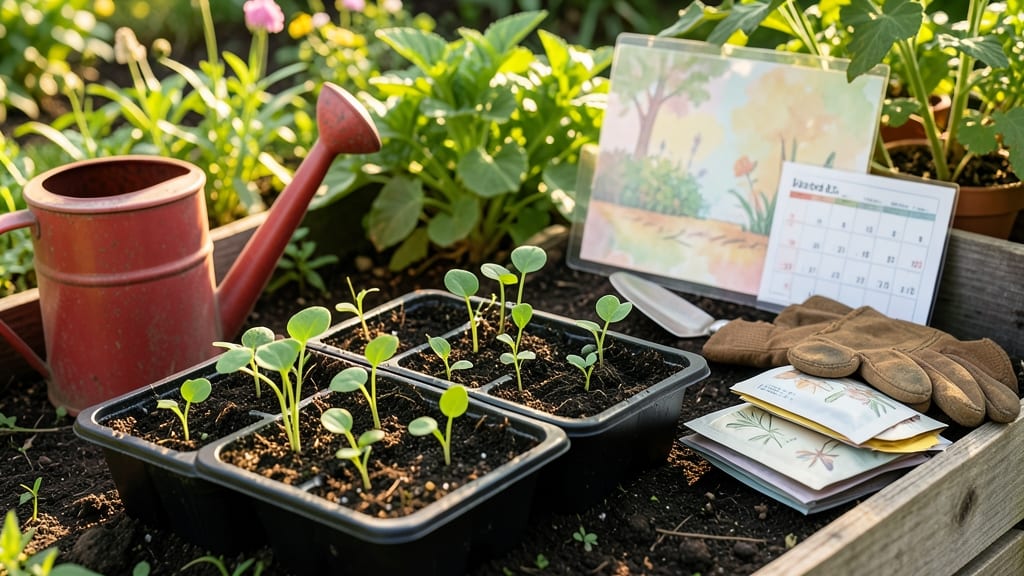
Planting a garden at the right time means the difference between a bountiful harvest and seeds that never sprout — and getting it wrong can cost you weeks of wasted effort.
Timing your garden planting by frost-free dates can mean the difference between a thriving harvest and wasted seeds—so why guess when you can calculate? Whether you're in Zone 6a or another region, knowing when to plant 🌱 your vegetables, flowers, or herbs ensures they thrive, not just survive.
Most gardeners wait until after the last frost, but the best planting window depends on your crop. Cool-season plants like lettuce can handle early spring, while tomatoes need warmer soil — and missing that window means stunted growth or no harvest at all.
Below, I’ll break down the exact frost-free dates for your zone, the best planting times for every type of plant, and how to adjust for early starts or late frosts without losing your garden.
How to find your exact frost-free dates by planting zone
Getting your garden timing right starts with knowing your frost-free dates. These dates tell you when it's safe to plant warm-season crops in spring and when to start fall planting before the first frost.
Without this info, you might plant too early and risk frost damage—or too late and miss the growing season. Let’s break down how to find your exact dates using your USDA planting zone and local microclimates.
First, locate your USDA hardiness zone using the official USDA zone map. Most gardeners fall between Zone 3 and Zone 10, but even small differences in zones can shift your frost-free dates by weeks.
For example, Zone 5 might have a last frost around May 15, while Zone 8 could see its last frost as early as March 1. Knowing your zone helps narrow down the range.
Next, find your average last frost date and first frost date for your specific zone. The frost-free period is the time between these two dates when you can safely grow tender plants.
Many local agricultural extensions or gardening websites (like The Old Farmer’s Almanac) provide these dates by city or region. If you’re unsure, check historical weather records for your area over the past 5–10 years for the most accurate data.
But here’s the catch: your microclimate can shift these dates by 1–3 weeks. A south-facing slope warms up faster, while a low-lying area might stay colder longer. Urban areas with buildings can also trap heat, delaying frost.
To adjust, observe your garden over a few years or ask experienced local gardeners. Even a 5-degree difference in nighttime temps can change your frost-free window.
Now, let’s talk tools. The easiest way to calculate your exact frost-free dates is by using a free frost date calculator.
My favorite is the Gardeners.com Frost Date Calculator, which lets you input your USDA zone, elevation, and local conditions (like urban vs. rural) to generate precise dates.
For a quick estimate, subtract 15–20 days from your last frost date for cool-season crops that tolerate light frost, or add 15–20 days for warm-season crops that need the ground to warm up.
| USDA Zone | Avg. Last Frost | Avg. First Frost | Frost-Free Days | Spring Planting Window |
|---|---|---|---|---|
| Zone 3 | May 15 | September 15 | 120 days | After May 20 |
| Zone 5 | April 20 | October 20 | 185 days | After April 30 |
| Zone 6a | April 15 | October 15 | 185 days | After April 20 |
| Zone 7 | March 30 | November 10 | 225 days | After March 15 |
| Zone 8 | March 1 | December 15 | 285 days | After February 15 |
Once you’ve pinpointed your frost-free dates, use them to plan your planting schedule. For warm-season crops like tomatoes and peppers, wait until 2–3 weeks after your last frost date to ensure the soil has warmed to at least 60°F.
For cool-season crops like lettuce and spinach, you can plant 4–6 weeks before your last frost date. Pro tip: Use row covers or cold frames to extend your
Best planting times by vegetable, flower, and herb type
Not all plants thrive in the same conditions, which is why cool-season crops like kale and spinach can handle early spring planting, while warm-season lovers like tomatoes and peppers need soil temperatures above 60°F. Understanding these differences ensures your garden flourishes instead of struggling.
I’ll break down the best planting windows for each type, so you can plan with confidence.
For cool-season vegetables, the ideal window is 4-6 weeks before your last frost date, allowing them to mature before summer heat sets in. Warm-season crops, on the other hand, should wait until after the last frost, when soil temperatures are consistently warm.
Meanwhile, year-round varieties like Swiss chard or arugula can handle both seasons with proper care.
Below is a comparison table to help you visualize the best planting times for popular garden staples. This will save you from guessing and ensure your garden grows strong from the start.
If you’re in a region with a short growing season, prioritize fast-maturing varieties like bush beans or radishes for spring and kale or carrots for fall. For longer seasons, you can even plant warm-season crops like eggplant or okra in late summer for a fall harvest.
Pro tip: Use row covers or cold frames to extend your planting window for heat-loving crops in cooler climates. This trick lets you plant tomatoes or peppers 2-3 weeks earlier than usual, giving them a head start before removing the cover.
Remember, soil temperature matters just as much as air temperature. Use a soil thermometer to confirm warmth before planting warm-season crops—cold soil can stunt their growth, even if the air feels warm.
With the right timing, your garden will reward you with healthier plants and bigger harvests all season long. 🌱