
Planting
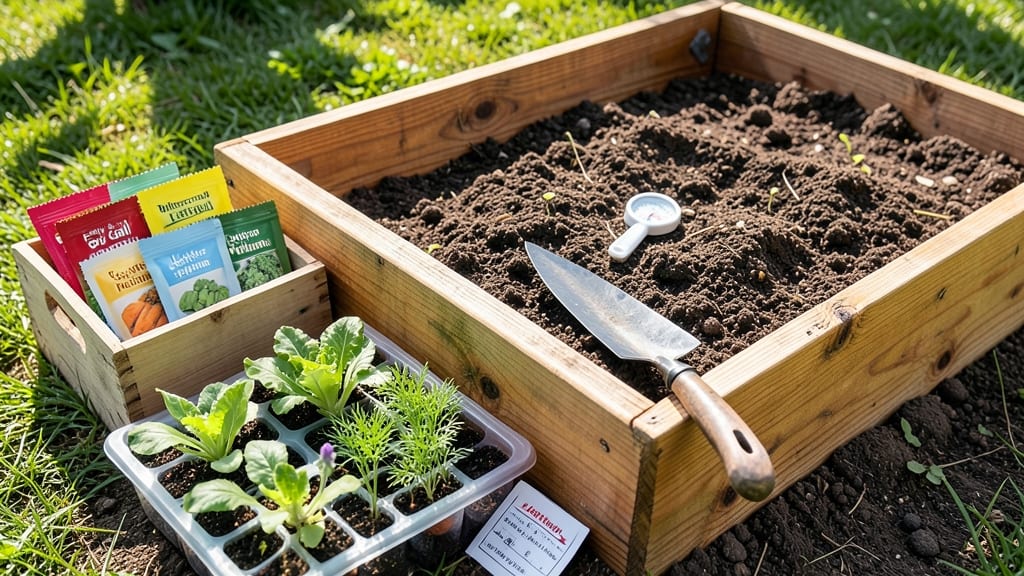
Planting a vegetable garden in Ontario means timing your crops to the last frost, which can vary by 100 miles from Toronto to Thunder Bay. 🥬
Ontario gardeners know timing is everything—plant too early and frost will strike, too late and your harvest suffers. But with Ontario’s diverse climate zones, the perfect planting window varies from south to north.
In Southern Ontario, where the last frost typically arrives by mid-May, you can start cool-season crops like lettuce and peas as early as late March or early April. Meanwhile, Northern Ontario’s 5a-6b zones may wait until early June before the risk of frost passes.
Below, I break down the exact planting windows for your region, plus tips for extending the season so you can grow more—whether you’re in a short-season zone or just want to squeeze in an extra harvest before winter.
Ontario planting zones & frost-free dates by region
Ontario’s diverse climate creates unique challenges for gardeners. The province spans USDA hardiness zones 5a to 6b, meaning frost dates vary dramatically from London to Thunder Bay.
Understanding your specific last spring frost and first fall frost is critical—plant too early, and a surprise freeze will kill tender seedlings; too late, and your harvest window shrinks. Let’s break down the key regions and their frost timelines so you can time your plantings perfectly.
Southern Ontario (zones 5b-6a) enjoys the longest growing season, with last frost dates typically between late April and early May. Cities like London and Windsor often see frost-free conditions by mid-April, while Toronto and Hamilton usually hit their last frost around mid-May.
This region’s first fall frost arrives between mid-October and early November, giving gardeners a 150-180 day frost-free window. For example, in Toronto, you might plant warm-season crops like tomatoes and peppers as early as late May and still enjoy harvests into October.
Central Ontario (zones 5a-5b) includes cities like Ottawa, Kingston, and Barrie, where frost dates shift later. The last spring frost here often occurs between early May and mid-May, while the first fall frost arrives as early as late September. This shorter window—around 120-140 frost-free days
Cool-season crops like kale and spinach thrive here, while warm-season plants may need row covers or cold frames for extended harvests. Ottawa’s microclimate, for instance, can have 3-5 degrees cooler nights than nearby rural areas, delaying planting by a week or more. Northern Ontario (zones 5a and colder) presents the biggest challenge, with last frost dates often landing in early June. Cities like Sudbury and Thunder Bay have only 90-120 frost-free days, making it ideal for fast-maturing crops like bush beans and radishes. The first fall frost here can arrive as early as late August, leaving little room for error. Gardeners in these zones often rely on early starts indoors and succession planting to maximize yields. For example, planting peas in early May ensures a harvest before the first frost, while tomatoes may only have time for one quick harvest if planted in late May.
Region
USDA Zone
Last Spring Frost
First Fall Frost
Frost-Free Days
Key Crops
Southern Ontario
5b-6a
Late April–Early May
Mid-Oct–Early Nov
150–180 days
Tomatoes, Peppers, Corn, Squash
Central Ontario
5a-5b
Early–Mid May
Late Sept–Early Oct
120–140 days
Peas, Lettuce, Kale, Bush Beans
Northern Ontario
5a
Early June
Late Aug–Early Sept
90–120 days
Radishes, Spinach, Fast-Maturing Greens
Microclimates add another layer of complexity. Urban areas like Toronto can be 2-3 degrees warmer than surrounding rural zones due to the urban heat island effect, allowing for slightly earlier plantings. Conversely, valleys and low-lying areas—like parts of Ottawa’s countryside—often experience colder temperatures and later frosts.
Always check local weather stations or use Almanac frost date tools for precise timing. For example, while Toronto’s downtown might be frost-free by mid-May, nearby Scarborough could see frost until late May.
To plan your garden, start by identifying your specific frost dates using resources like the Canadian Hardiness Zone Finder or your local agricultural extension office. Then, adjust your planting schedule based on whether your crops are cool-season or warm-season
Ontario’s short growing season demands smart planning—some vegetables thrive in cool spring soil while others need summer’s warmth to flourish. Cool-season crops like lettuce and peas tolerate light frosts, while warm-season favorites such as tomatoes and peppers wilt if planted too early. Understanding these differences ensures a bountiful harvest from May through October. In Southern Ontario (Zones 5b-6a), gardeners can start cool-season crops as early as mid-April, while Northern Ontario (Zones 4b-5a) waits until late May to avoid frost damage. Warm-season crops should never go in until 2-3 weeks after the last frost, typically mid-May to early June in most regions. For cool-season vegetables, prioritize leafy greens (spinach, kale) and root crops (carrots, beets) in early spring. These thrive when soil temps stay below 70°F (21°C). In contrast, tomatoes, peppers, and cucumbers need soil temps above 60°F (15°C) to germinate properly. Pro tip: Use succession planting to maximize space. After harvesting early radishes (ready in 30 days), replant with bush beans or zucchini. This keeps your garden productive all season long without wasting space. Northern Ontario gardeners should focus on fast-maturing varieties and cold-hardy crops like Swiss chard or kohlrabi, which tolerate cooler temps better than delicate cucumbers or eggplants. Always check seed packets for "days to maturity" to align with your region’s frost dates. Remember: Soil temperature matters more than air temperature. Use a soil thermometer to confirm readiness—cool-season crops need 40-50°F (4-10°C), while warm-season crops require 60-70°F (15-21°C) for optimal growth.Best vegetables to plant by Ontario season (cool vs. warm-loving crops)
Vegetable Type
Best Planting Time
Ontario Regions
Succession Planting Tip
Cool-Season Crops
4-6 weeks before last frost
Southern: April 15-May 1
Northern: May 15-June 1Sow every 2 weeks for continuous harvest (e.g., lettuce, spinach)
Warm-Season Crops
2-3 weeks after last frost
Southern: May 15-June 15
Northern: June 1-July 1Use row covers for early starts; transplant seedlings for faster growth
Fall Crops (Cool-Season)
Late July to early August
All regions (90 days before first frost)
Choose quick-maturing varieties (e.g., 'Black Seeded Simpson' lettuce)