Planting
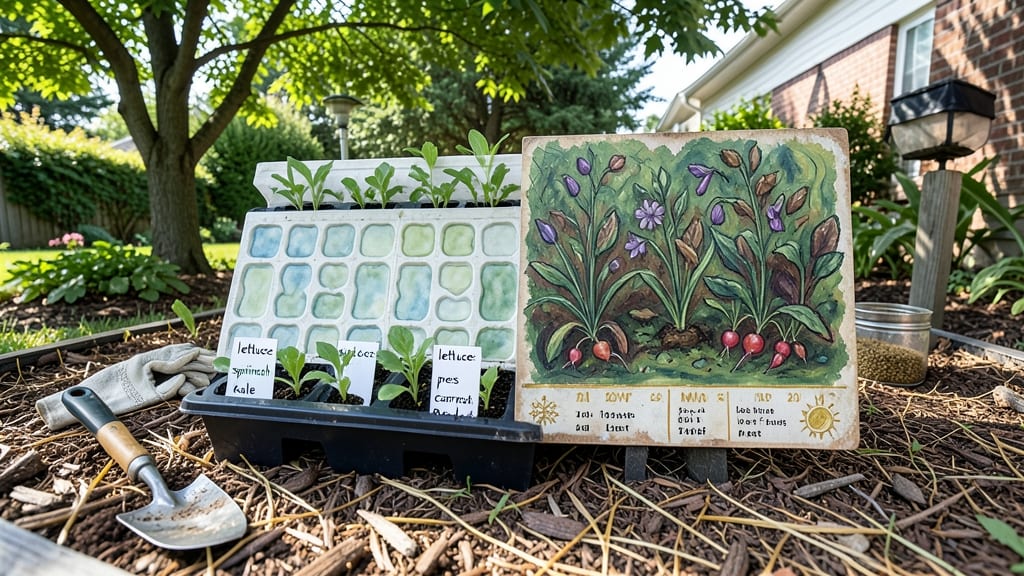
To plant a vegetable garden in Seattle, aim for late March to early April for cool-season crops like peas and lettuce, while warm-season favorites like tomatoes and peppers wait until mid-May after the last frost.
Seattle’s unpredictable weather can make or break your vegetable garden—plant too early, and frost will wipe out your hard work; too late, and you’ll miss the harvest season. Timing is everything, and knowing the exact frost-free windows for each crop is the key to a thriving garden.
With USDA Zone 8a conditions, Seattle’s 165 frost-free days offer a narrow window for success. Urban heat islands may extend growing seasons slightly, but rural areas can still see late frosts well into May. The right timing ensures your 🥬 garden thrives from spring to fall.
Below, I’ll break down the best planting months for each crop, how to adjust for microclimates, and pro tips to maximize your harvest—no guesswork required.
Seattle’s frost-free dates by season: what you Must Know Before Planting
Seattle’s USDA Zone 8a/8b climate means we enjoy a surprisingly long growing season—if you time your plantings right. The average last frost date hovers around March 15, but this can vary by 1-2 weeks depending on your microclimate.
Urban areas like Ballard or Fremont often warm up faster than rural spots near Everett or Snohomish, thanks to the urban heat island effect.
For warm-season crops like tomatoes and peppers, wait until after May 1 to plant outdoors—this gives you a 90% buffer against late frosts. Meanwhile, cool-season crops like spinach and peas can handle light frosts, so you can start them as early as February under row covers.
The first frost typically arrives around November 15, but hardy greens like kale can survive until December.
Here’s the 2024 historical data from WSU Extension showing Seattle’s frost-free windows:
| Season | Last Frost Date | First Frost Date | Frost-Free Days | Planting Window |
|---|---|---|---|---|
| Spring | March 15 | N/A | 165+ days | Feb 1 – May 1 |
| Summer | N/A | N/A | 165+ days | May 1 – Sep 15 |
| Fall | N/A | Nov 15 | 165+ days | Sep 1 – Oct 31 |
| Microclimate Adjustments | Urban: +7 days earlier | Urban: +7 days later | Rural: -7 days | Rural: -7 days |
Adjust your planting times based on crop sensitivity. Heat-loving plants like basil and cucumbers need consistent warmth—plant them after May 15—while cool-weather crops like broccoli thrive when sown 4-6 weeks before last frost.
For early varieties, like sugar snap peas, start seeds indoors in February to beat the rush.
Seattle’s microclimates can shift planting windows by up to 2 weeks. If you’re in a sunny urban pocket, you might plant tomatoes 7 days earlier than someone in a shaded backyard.
Use a minimum-maximum thermometer to track your local conditions—this helps you fine-tune your schedule year after year.
For fall planting, aim to sow hardy greens like kale or spinach by August 15 to ensure they mature before November’s first frost. If you’re pushing the limits, use row covers to protect tender crops like lettuce or radishes until mid-October.
Just remember: soil temperature matters more than air temperature—keep it above 40°F for best germination.
Pro tip: Succession planting is your best friend in Seattle. Instead of planting all your carrots or beans at once, stagger them every 2 weeks from April to July.
This ensures a continuous harvest and maximizes your frost-free window. For example, plant bush beans on April 15, May 1, and June 1 for three harvest waves.
Don’t forget to monitor local forecasts—Seattle’s weather can shift overnight. The National Weather Service and WSU AgWeatherNet provide real-time frost alerts. If a late frost warning pops up, cover young plants with lightweight row fabric or old bedsheets to shield them from 28°F or below.
Finally, soil prep is non-negotiable. Seattle’s acidic, clay-heavy soil drains poorly in spring, so amend with compost in fall or early spring to improve drainage. Aim for a pH between 6.0 and 7.0—most vegetables prefer this range.
Test your soil in February so you’re ready to plant by March 15.
With these frost-free dates and microclimate adjustments, you’ll be well on your way to a bountiful Seattle garden—no more frost-burned dreams! 🌱
Best vegetables to plant in Seattle by month: a month-by-month guide
Seattle’s cool, wet springs and mild summers create a unique growing window. Unlike warmer climates, we can’t plant tomatoes in March—but we can grow hardy greens like kale and spinach when most gardens are still dormant.
The key? Matching each crop to Seattle’s 165 frost-free days and avoiding soggy soil in spring.
Below is my month-by-month planting guide for 12 essential vegetables, including succession planting tips to keep your harvests coming all season. I’ve included Seattle-specific adjustments like heat-tolerant varieties for summer and cold-hardy picks for fall.
- March: Peas (direct sow), spinach, lettuce (start indoors). Soil test first—Seattle’s clay can stay waterlogged.
- April: Carrots, radishes, kale. Add compost to improve drainage before planting.
- May: Tomatoes (after last frost), peppers, beans. Use row covers for early heatwaves.
- June: Cucumbers, zucchini, squash. Succession plant bush beans every 2 weeks.
- July: Green onions, basil, swiss chard. Mulch to retain moisture during dry spells.
- August: Broccoli, cauliflower, beets. Start fall lettuce 6 weeks before first frost.
- September: Garlic (for next year), onions, spinach. Plant cover crops like clover.
- October: Kale, carrots, radishes. Protect with row covers if frost threatens.
For succession planting, focus on bush beans (every 2 weeks in June-July) and lettuce (every 3 weeks from April-October). This ensures a steady supply even when one batch bolts or matures. In Seattle, heatwaves in July-August can stress plants, so always have shade cloth ready.
Pro tip: Use Seattle’s urban heat islands to your advantage. South-facing walls or rooftop gardens can extend the season by 2-3 weeks for warm-season crops like tomatoes. Just monitor soil moisture—concrete absorbs heat and dries out plants faster.
Remember, soil prep is non-negotiable in Seattle’s clay-heavy soil. Amend with compost and sand in early spring to prevent waterlogging. And if you’re new to gardening here, start with low-maintenance crops like peas, carrots, and kale—they forgive mistakes better than tomatoes or peppers.
With this schedule, you’ll enjoy fresh homegrown veggies from April through October—no grocery store required! 🌱