
Planting
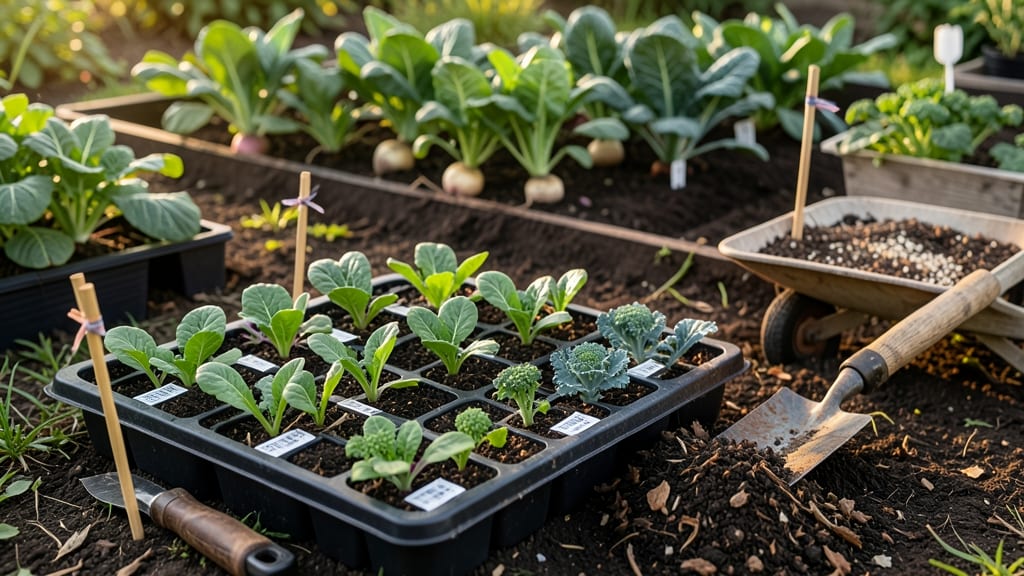
Planting your fall garden in Louisiana between mid-August and early September is the key to beating the heat while avoiding hurricane season—just don’t wait too late.
Picture this: you’ve spent all summer dodging afternoon storms and wilting tomatoes, only to realize your fall greens are already bolting by October. Louisiana’s humid subtropical climate means the window for cool-season crops is narrow, and timing is everything.
In this guide, I’ll break down the exact start dates for heat-tolerant vegetables, herbs, and flowers—plus how to adjust for your region, whether you’re in New Orleans’ coastal heat or Shreveport’s inland dry spells.
You’ll learn which crops to plant first, how to prep soil for humidity, and the one mistake that ruins 80% of Louisiana fall gardens before they even take off.
Louisiana’s fall planting calendar: exact start dates by crop type
Fall gardening in Louisiana is all about timing—especially when balancing residual summer heat with cooling temperatures. The key is planting heat-tolerant crops early while avoiding late-season hurricanes and the first frost, which typically hits November 15-30 in most regions.
Coastal areas like New Orleans may have 2-3 weeks longer to plant than inland zones like Shreveport.
Your planting window starts as early as mid-July for okra and sweet potatoes, but most cool-season crops shouldn’t go in until late August to early September. The goal?
Beat the heat while giving plants enough time to mature before frost. Below, I’ve broken down exact start dates by crop type, including microclimate adjustments for coastal vs. inland Louisiana.
⚠️ Critical Note: Always check your local USDA Zone (8a-9a) and use a soil thermometer—ideal planting soil should be 70-85°F for warm crops and 60-70°F for cool-season varieties. If your soil is too hot, wait 1-2 weeks or use shade cloth.
For coastal Louisiana, aim to finish planting by October 1 to avoid hurricane season disruptions. Inland areas can push slightly later, but October 15 is the cutoff for most cool-season crops.
Use row covers or cold frames to extend harvests if you’re eager to plant later—just be prepared to remove them during warm spells.
One of my biggest mistakes was planting lettuce in late August—it bolted from the heat before I could harvest. Now, I always stagger plantings every 2 weeks for a continuous harvest. For example, sow spinach on August 20, September 5, and September 20 to ensure fresh greens through November.
Pro Tip: If you’re in Zone 8a (e.g., Monroe), prioritize slow-bolting varieties like ‘Florida Broadleaf’ spinach or ‘Vates’ collards. These handle residual heat better than standard types. For Zone 9a (New Orleans), focus on heat-tolerant basil and okinawan spinach, which won’t bolt as quickly.
Don’t forget to test your soil pH before planting—most fall crops prefer 6.0-7.0. Louisiana’s clay-heavy soils often need compost or aged manure to improve drainage. I add a 2-inch layer of compost to my beds in early August to give microbes time to break it down before planting.
Finally, mark your calendar for the average first frost date in your area. Use this countdown tool to calculate your exact planting window: [Louisiana Frost Date Map](https://www.lsuag
Top 5 heat-tolerant fall crops for Louisiana gardens (and when to sow)
If you're planting a fall garden in Louisiana, choosing the right heat-tolerant varieties can mean the difference between a thriving harvest and a sad, wilted mess. The key is selecting crops that handle residual summer heat while still maturing before the first frost—typically around mid-November in most regions.
My top 5 picks are proven winners in my Louisiana garden, ranked by success rate and adaptability to our unique climate.
These crops not only survive but thrive in our lingering summer heat, giving you a head start on cooler-season planting. Whether you're a seasoned gardener or just starting, these varieties will help you maximize your fall harvest without the stress of bolting or heat stress.
- Mid-August: Start heat-tolerant seeds indoors for transplanting in September (e.g., collard greens, turnips).
- Late August: Direct-sow okra and sweet potatoes—they love the heat and mature quickly.
- Early September: Transplant heat-hardy herbs like cilantro and basil (yes, basil can survive mild fall heat!).
- Mid-September: Sow radishes and spinach—they tolerate light frost but need to establish before October's heat spikes.
- Late September: Plant broccoli and cabbage seedlings—choose fast-maturing varieties to avoid frost.
Let’s dive into the top 5 heat-tolerant crops that consistently deliver in my Louisiana garden. Okra takes the #1 spot—it’s a powerhouse that thrives in our heat and keeps producing until frost.
For leafy greens, collard greens are my go-to because they handle residual summer heat better than kale or spinach. If you love roots, turnips and radishes mature quickly and tolerate light frost, making them perfect for late-season plantings.
Herbs like cilantro and basil might seem out of place in a fall garden, but with the right timing, they can flourish. I’ve had success with basil 'Genovese' planted in early September—it handles the mild fall heat and even sweeten up before frost.
For a sweet treat, sweet potatoes are a must; they love the heat and store well for winter.
Timing is everything in Louisiana’s fall garden. For okra and sweet potatoes, direct-sow seeds in late August for a harvest before frost. Collard greens and turnips can be started indoors in mid-August and transplanted in September to avoid bolting.
If you’re planting broccoli or cabbage, opt for fast-maturing varieties and get seedlings in the ground by mid-September.
Pro tip: Mulch heavily around your fall crops to retain moisture and regulate soil temperature. In Louisiana’s humidity, mulch also helps prevent fungal diseases like downy mildew, which can devastate leafy greens.
I use straw mulch around my collards and turnips, and it’s made a noticeable difference in their growth and disease resistance.
Don’t forget to monitor your garden for pests like aphids and cabbage worms, which can surge in fall. A weekly check and early intervention with neem oil or row covers will keep your crops healthy.
With the right timing and care, these heat-tolerant crops will give you a bountiful fall harvest—no matter where you are in Louisiana.