
Planting
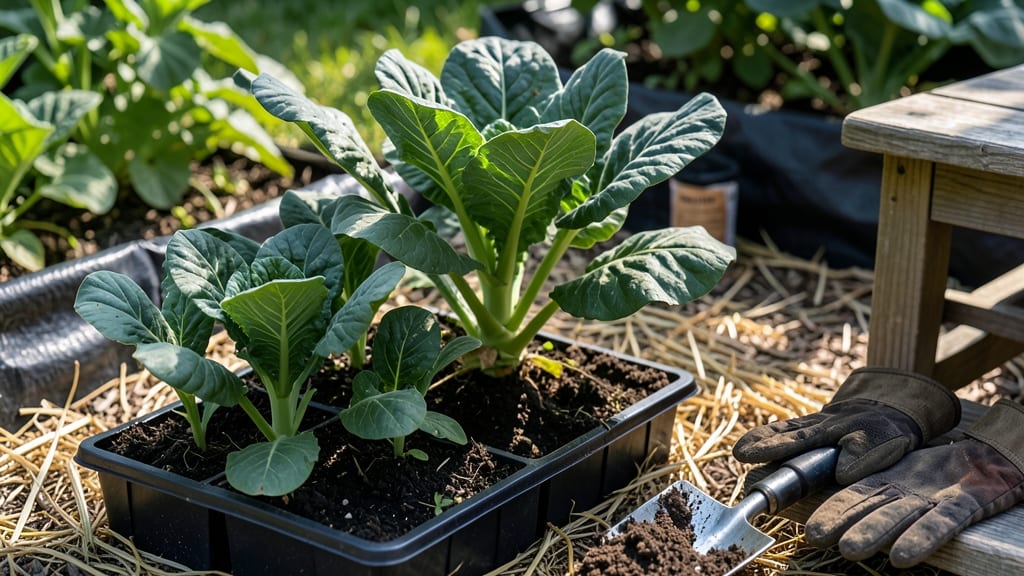
Planting a fall garden in Mississippi starts by mid-July to beat the heat and secure a harvest before frost 🌱 — the key to avoiding a wasted season.
Mississippi’s long, hot summers can make fall gardening a challenge—but timing your plantings right ensures a bountiful harvest before winter sets in.
If you’ve ever wondered when to start your fall garden in Mississippi’s climate, this guide reveals the exact window for heat-tolerant crops and how to beat the odds for a thriving late-season harvest.
Most gardeners miss the July–August window because they focus on summer crops, but heat-loving plants like okra and sweet potatoes need those early starts. The average first frost hits between mid-October and November, so you’ve got about 120 days to grow.
Below, I break down the best planting dates by crop, soil prep tips to extend your season, and the top mistakes that kill Mississippi fall gardens every year.
Mississippi’s fall planting timeline: exact dates for heat-tolerant crops
Mississippi’s fall planting season begins earlier than you might think, with mid-July marking the perfect start for heat-tolerant crops. The key is beating the first frost—typically arriving between October 15 and November 15—while leveraging residual summer heat to jumpstart growth.
North Mississippi’s cooler microclimates (USDA zones 7a-7b) require earlier plantings, while South Mississippi (zones 8a-8b) can extend windows slightly.
Your planting timeline hinges on soil temperature and crop maturity. For example, okra and sweet potatoes thrive when soil stays above 60°F, while collards and turnips can tolerate cooler soils (50°F) once established.
Planting too late risks stunted growth before frost, so aim to finish by September 15 for most varieties.
Here’s your Mississippi fall planting timeline broken down by crop type and region, with exact dates to maximize yields:
| Crop | North MS (Zones 7a-7b) | South MS (Zones 8a-8b) | Key Notes |
|---|---|---|---|
| Okra | July 1–15 | July 1–31 | Direct sow; harvest before first frost (60–70 days). |
| Sweet Potatoes | June 15–July 15 | June 15–August 1 | Slips planted in warm soil; harvest 100–120 days after planting. |
| Collards | July 15–August 15 | July 15–September 1 | Transplant seedlings; sweeter after light frost (45–60 days). |
| Turnips | August 1–15 | August 1–31 | Direct sow; harvest greens at 30–40 days, roots at 50–60 days. |
| Southern Peas | July 1–August 15 | July 1–September 1 | Direct sow; pods ready in 50–70 days. |
For North Mississippi, prioritize early plantings—especially for okra and sweet potatoes—since cooler nights arrive sooner. In South Mississippi, you’ve got flexibility to plant collards and turnips later, but avoid starting after September 1 to ensure maturity before frost.
Pro tip: Use row covers to extend harvests by 2–3 weeks in both regions.
Soil temperature is your biggest ally in fall planting. Use a soil thermometer to confirm readings: 60–85°F is ideal for most crops. If soil cools below 55°F, delay planting until temperatures rebound.
In Mississippi’s humidity, mulch heavily (straw or black plastic) to retain warmth and moisture—critical for young seedlings battling late-summer heat spikes.
Don’t overlook succession planting for crops like turnips and collards. Sow every 2–3 weeks from July through August to stagger harvests. For example, plant half your turnip seeds by July 15 and the rest by August 1—this ensures a continuous supply of greens and roots until frost.
Mississippi’s fall frost dates vary by 5–7 days between North and South, so check your local USDA zone for precision. For instance, Tupelo (Zone 7b) typically sees frost by October 25, while Biloxi (Zone 8b) holds off until November 10. Use
Top 5 heat-tolerant fall crops for Mississippi gardens (and how to maximize yields)
Mississippi’s fall garden thrives when you choose heat-tolerant crops that handle residual summer warmth while maturing before the first frost. The key is selecting varieties that perform well in 80–90°F soil temperatures and can withstand occasional heat spikes.
My top picks balance productivity with resilience—perfect for extending your harvest window until mid-November.
Start with ‘Crimson Spinach’ (Malabar spinach), a leafy green that thrives in heat and produces continuously.
Next, ‘Georgia Southern’ collards—this variety handles humidity and delivers tender leaves even when temperatures flirt with 90°F. For roots, ‘Tokyo Cross’ turnips mature quickly (30–40 days) and tolerate warm soil better than traditional varieties.
Don’t overlook ‘Purple Hull’ peas—they fix nitrogen in the soil while producing sweet pods in 70–80°F conditions. Finally, ‘Beauregard’ sweet potatoes are a Mississippi staple, thriving in heat and storing well for winter. Each of these crops has specific soil and watering needs to maximize yields.
When to Plant Fall Garden in Mississippi
✅ DO THIS
- Start by July 15 for heat-tolerant crops
- Test soil pH (6.0–6.8) before planting
- Use row covers after August 15 to protect from pests
- Water deeply in mornings to prevent fungal issues
❌ AVOID THIS
- Plant after August 31—risk frost before harvest
- Skip mulching—soil stays too hot for roots
- Overwater at night—promotes mildew in humidity
- Use cold-sensitive seeds like lettuce or cabbage
Pro Tip: Direct-sow heat lovers (like okra) in June for early fall harvests, then transplant greens in July.
For soil prep, focus on organic matter—amend beds with compost or aged manure to improve water retention. Mississippi’s clay-heavy soils benefit from 1–2 inches of mulch (straw or pine needles) to regulate temperature and suppress weeds.
Test soil moisture weekly; 1 inch of water per week (more during 90°F+ spells) keeps roots healthy without drowning them.
Extend the season past frost by covering crops with floating row covers or low tunnels. I’ve used remay fabric over collards to add 5–7°F protection, pushing harvests into December.
Pair this with succession planting: Sow ‘Salad Bowl’ lettuce every 2 weeks in August for a staggered harvest before cold sets in.
Monitor leaf color and growth rate—wilting or yellowing signals stress from heat or water issues. Adjust care immediately: shade cloth for greens during 95°F+ days, or drip irrigation to keep roots cool. With these strategies, my ‘Beauregard’ sweet potatoes once yielded 12 lbs per hill despite September heat waves!