Planting
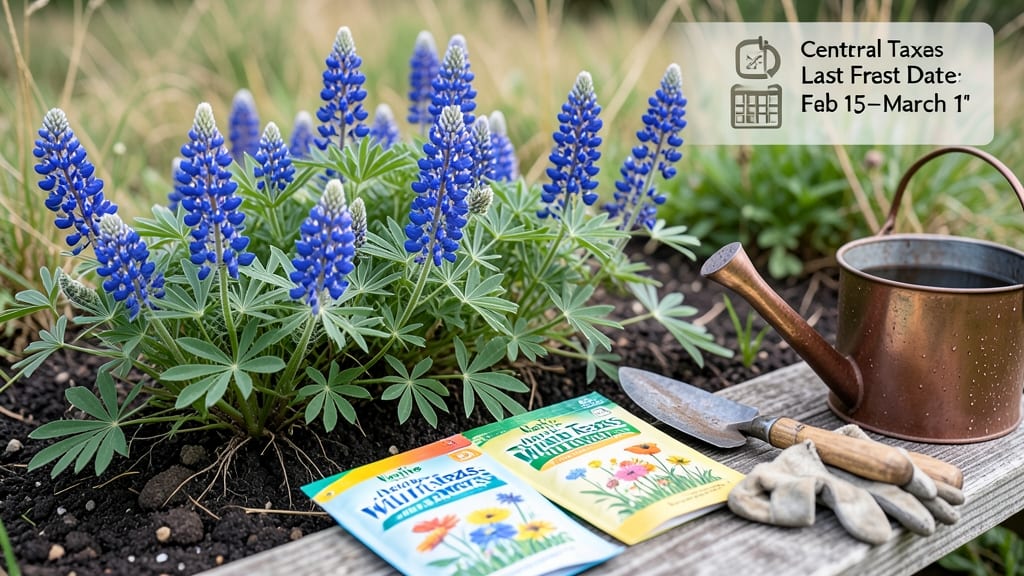
Planting a garden in Central Texas at the right time means the difference between a thriving harvest and a sad, wilted disappointment.
Central Texas gardeners face unique challenges—scorching summers, unpredictable rains, and a short growing window—but timing your plantings just right can mean the difference between bountiful harvests and wilted dreams.
With frost dates that hover around February 15 and the first chill hitting in December, you’ve got a narrow window of 210-240 frost-free days to work with. That’s why knowing when to plant your 🌱 General Garden Plants—whether it’s cool-season veggies or heat-loving tomatoes—isn’t just helpful, it’s essential.
Below, I’ll break down the exact planting times for spring and fall crops, how to adjust for your specific USDA Zone (8a or 9a), and the one mistake almost every gardener makes that kills their yields.
Central Texas planting calendar: exact dates for cool-season vegetables, herbs & flowers
Central Texas gardeners know timing is everything—our short growing season and unpredictable frost dates demand precision. Cool-season crops like lettuce, broccoli, and pansies thrive when planted at the right moment, avoiding both late spring heat and early winter frost.
The key? Start 6-8 weeks before last frost (typically February 15) and plan for a second planting in mid-summer for fall harvests.
In this guide, I’ll break down the exact planting windows for your favorite cool-season plants, including herbs like cilantro and flowers like snapdragons. We’ll also cover how to extend your season with row covers and choose heat-tolerant varieties for Central Texas’ unique climate.
Whether you’re a beginner or a seasoned gardener, these dates will help you maximize yields and avoid common mistakes.
For lettuce and spinach, I recommend starting seeds indoors in late January to give them a head start. These fast-growing greens can bolt (go to seed) quickly in Central Texas’ warming spring temperatures, so succession planting every 2 weeks ensures a continuous harvest.
Use shade cloth (30-50%) during summer months to protect tender leaves from scorching heat.
Broccoli and cauliflower are cool-season powerhouses but need consistent moisture to form tight heads. Plant them 3-4 weeks before last frost in well-draining soil with a balanced fertilizer (10-10-10). In fall, aim for a September 15 planting to harvest before first frost (December 1).
Pro tip: Harvest side shoots after cutting the main head to extend your harvest.
Peas are one of the easiest cool-season crops for Central Texas gardeners. Sow seeds 1 inch deep and 2 inches apart in well-composted soil. They thrive in cool temperatures (50-70°F) and even light frosts.
For a fall crop, plant in mid-August and use a trellis to save space and improve air circulation. Just be sure to water regularly—peas hate dry soil!
If you love colorful flowers, cool-season annuals like pansies and snapdragons are perfect for Central Texas. Plant pansies in September for fall and winter blooms, then again in February for spring color.
Snapdragons can handle light frosts and add vertical interest to beds. For longer-lasting blooms, deadhead spent flowers and mulch with straw to protect roots from temperature swings.
Herbs like cilantro and parsley are cool-season essentials but can be tricky in Central Texas. Cilantro bolts (goes to seed) quickly when temperatures rise above 75°F, so plant it in early spring or late summer for the best results. Parsley, on the
How to adjust planting times for Central Texas heat zones (8a vs. 8b) and soil conditions
Central Texas spans two USDA hardiness zones—8a (colder) and 8b (warmer)—which can shift planting windows by 2-3 weeks. If you're in Zone 8a (like Austin's outskirts), you'll have slightly cooler springs and earlier fall frosts compared to Zone 8b (e.g., San Marcos).
This means your cool-season crops like broccoli or kale can go in 2 weeks earlier in 8a, while heat-loving tomatoes may need to wait until mid-May in 8b to avoid bolting.
Your soil type also plays a critical role. Clay-heavy soils (common in Austin) retain moisture but bake hard in summer, while sandy soils (like those in Hill Country) drain too quickly.
For example, peppers thrive in well-draining sandy soil but struggle in waterlogged clay unless amended with compost and gypsum. Meanwhile, leafy greens like spinach prefer clay's moisture retention but bolt faster in sandy beds.
Urban gardeners face additional challenges: heat islands (paved areas trapping heat) can push microclimates into Zone 9a territory, while rural areas may stay cooler.
Test your microclimate by planting heat-sensitive basil—if it thrives in July, you’re likely in a warmer microzone and should delay cool-season crops by 1-2 weeks.
To extend your growing season, use row covers or shade cloth—especially in Zone 8b, where summer heat peaks earlier. For example, I’ve used 30% shade cloth over my tomato plants in July to keep them producing when temps hit 105°F.
In clay soils, raised beds improve drainage and warm up faster in spring, while sandy soils benefit from organic matter like leaf mold to hold moisture.
Pro tip: Test your soil’s temperature with a soil thermometer—most cool-season crops need soil at 50-60°F, while warm-season crops like peppers thrive at 70°F+. If your soil runs hotter than 85°F in summer, opt for heat-tolerant varieties like ‘Arkansas Traveler’ tomatoes or ‘Jalapeño M’ peppers.
Remember, urban vs. rural differences matter too. A rooftop garden in downtown Austin may experience 10°F hotter temps than a rural plot, so adjust your planting dates accordingly. Start heat-sensitive seeds indoors 6-8 weeks before your zone’s last frost date to give them a head start.