
Planting
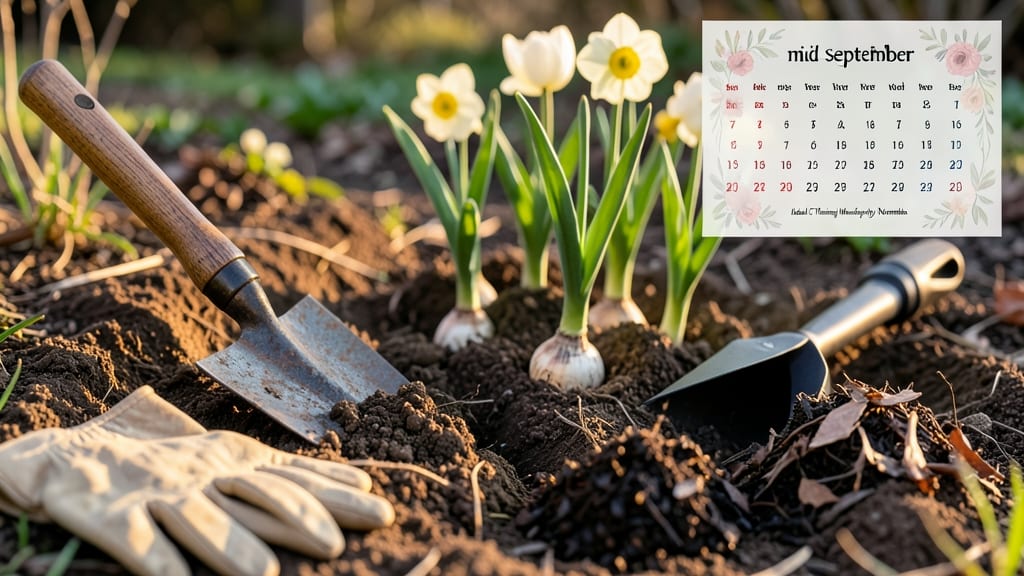
To plant a garden in Connecticut at the perfect time means catching the window between April 15 and May 15, when the soil warms enough for most 🌱 General Garden Plants (Spring/Fall Crops) to thrive.
Connecticut’s unpredictable spring weather can turn a gardener’s best-laid plans into a guessing game—but timing your plantings by the state’s frost-free zones ensures a thriving harvest instead of wilted disappointment.
Whether you’re sowing cool-season greens like spinach or waiting for the heat to settle before planting tomatoes, knowing your USDA Zone 5b-6b and local microclimates is the key to avoiding common mistakes.
Below, I’ll break down the exact frost-free dates for your region, how to adjust for coastal vs. inland areas, and the three simple steps to extend your growing season for peak harvests.
CT frost-free dates by planting Zone: exact timelines for cold-hardy vs. warm-season crops
Connecticut spans USDA Zones 5b-6b, where last frost dates can vary by 2-3 weeks between northern and southern regions. In Zone 5b (northwest CT), expect your average last frost around May 15, while Zone 6b (southeast CT) typically sees frost-free conditions by April 25.
These dates are critical for determining whether to plant cold-hardy crops like peas or warm-season favorites such as tomatoes.
Understanding these frost-free windows helps you avoid common gardening mistakes, like planting tomatoes too early in northern CT or lettuce too late in southern CT. For example, spinach and kale can handle light frosts, while peppers and eggplants need consistent warmth—so timing matters more than you might think!
Microclimates further complicate things. Urban areas like Hartford (Zone 6a) often warm up 1-2 weeks earlier than rural Litchfield (Zone 5b), thanks to heat island effects. Coastal regions near New Haven also experience milder winters, allowing for earlier spring plantings of cold-sensitive crops.
To simplify planning, I’ve created a zone-specific planting calendar below that aligns with Connecticut’s historical frost data and includes adjustments for urban vs. rural microclimates. This table covers vegetables, flowers, and herbs—so you can confidently start seeds, transplant seedlings, or direct-sow based on your exact location.
| Zone & Location | Last Frost Date | First Frost Date | Cold-Hardy Crops (Plant 4-6 Weeks Before Last Frost) | Warm-Season Crops (Plant 2-3 Weeks After Last Frost) |
|---|---|---|---|---|
| Zone 5b (N. CT: Litchfield, Torrington) | May 15 | October 10 | Peas, Spinach, Kale, Broccoli, Carrots | Tomatoes, Peppers, Basil, Cucumbers |
| Zone 6a (Central CT: Hartford, Middletown) | May 1 | October 15 | Lettuce, Radishes, Onions, Swiss Chard | Eggplants, Okra, Sweet Potatoes, Melons |
| Zone 6b (S. CT: New Haven, Bridgeport) | April 25 | October 20 | Arugula, Beets, Cabbage, Fava Beans | Peppers, Tomatoes, Squash, Herbs (Basil, Cilantro) |
| Urban Microclimate (Hartford, New Haven) | April 15 (1-2 weeks earlier) | October 25 (1-2 weeks later) | Same as Zone 6a/b + Fast-Growing Greens | Extended Season: Plant Peppers by May 1 |
For Zone 5b, I recommend starting cool-season crops indoors in early March to transplant outdoors by April 1. In Zone 6b, you can direct-sow
How to extend your CT growing season: cold frames, row covers, and succession planting strategies
Connecticut’s short growing season doesn’t mean you have to settle for fewer harvests. With the right techniques, you can extend your garden’s productivity by weeks—or even months. I’ve used cold frames to grow spinach in March and row covers to protect late tomatoes from October frosts.
These methods let you fool Mother Nature’s timing while keeping your plants happy.
The key is combining cold-hardy varieties with protective structures. Plants like kale, peas, and spinach thrive in temperatures as low as 25°F, while row covers can raise soil temps by 5-8°F.
Even in Zone 5b-6b, these strategies let me harvest greens in early spring and late fall when most gardeners are packing it in.
🌱 5 Proven Ways to Extend Your CT Growing Season
- 1. Cold Frames: Build a simple low tunnel with PVC pipes and clear plastic to trap heat. Start sowing spinach and lettuce in late February for early harvests.
- 2. Row Covers: Use floating row covers to protect broccoli and cabbage from light frosts down to 20°F. Remove during pollination for vegetables like cucumbers.
- 3. Succession Planting: Sow radishes every 2 weeks from April to August for continuous harvests. Try bush beans in May and July for two crops.
- 4. Cold-Hardy Varieties: Choose ‘Winterbor’ kale or ‘Sugar Ann’ peas—both tolerate 25°F and sweeten after frost.
- 5. Season Extenders: Add black plastic mulch in spring to warm soil 2-3 weeks earlier for tomatoes and peppers.
For early spring, start with a cold frame on a south-facing slope to maximize sunlight. Fill it with well-draining soil and sow spinach and peas in late February. The frame’s insulation keeps soil temps 10-15°F warmer than outside, letting you plant 4-6 weeks earlier than traditional schedules.
In late summer, use row covers to protect kale and carrots from early October frosts. Secure the cover with bricks or stakes to prevent wind damage. I’ve kept ‘Red Russian’ kale producing until mid-November this way—long after most gardens are done.
Don’t forget succession planting! Instead of one big planting, sow small batches every 2 weeks. For example, plant lettuce every 10 days from April to September to ensure a steady supply.
This works especially well for fast-growing crops like radishes (25 days) and bush beans (50 days).
Combine these methods for maximum results. Use a cold frame for early starts, row covers for late-season protection, and succession planting to fill gaps. With these tricks, you’ll turn Connecticut’s short season into a year-round harvest—no guessing games required. 🌿