
Planting
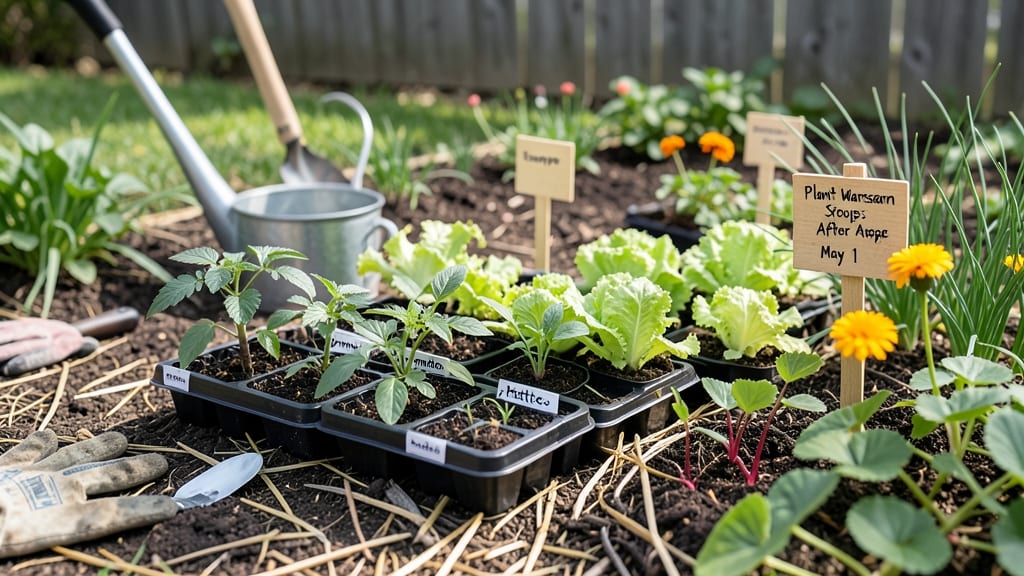
Planting your garden in Indiana at the right time means the difference between a bountiful harvest and a sad, frost-nipped disappointment.
Indiana gardeners know timing is everything—plant too early and risk frost damage, too late and miss peak harvests. Mastering frost dates by zone ensures your garden thrives from seed to table.
With USDA zones ranging from 5a to 6b, the state’s frost windows vary by two to three weeks, depending on where you live. Northern Indiana’s last frost can linger into early May, while southern Indiana often sees frost-free soil by mid-April.
In this guide, I’ll break down the perfect planting schedule for your zone, from cool-season crops like peas and spinach to heat-loving tomatoes and peppers. You’ll learn exactly when to start seeds indoors, transplant seedlings, and even adjust for Indiana’s unpredictable weather.
Indiana frost dates by USDA zone: critical planting windows explained
Indiana spans USDA zones 5a through 6b, creating distinct planting windows across the state.
The average last spring frost ranges from April 15 in southern Indiana (zone 6b) to May 1 in northern areas (zone 5a), while the first fall frost typically arrives between October 15 and November 1.
These dates determine whether your cool-season crops like spinach or warm-season favorites like tomatoes thrive—or fail.
Understanding your specific frost dates means the difference between a bumper crop of peppers and squash or watching them wilt overnight. For example, zone 5a gardeners in northern Indiana must wait longer to plant frost-sensitive crops than those in zone 6b near Louisville.
Let’s break down the critical windows by zone so you can plan with confidence.
🌱 Pro Tip: Always check local weather forecasts in late April and early May for last-minute adjustments—Indiana’s weather can be unpredictable!
In zone 5a, where winters are colder, cool-season crops like kale and carrots can start as early as late February or March under row covers. Meanwhile, tomatoes and peppers must wait until after May 15 to avoid frost damage.
Southern Indiana’s zone 6b offers a longer window—spinach can be sown in early February, and cucumbers can go in by mid-March.
For warm-season crops, the rule is simple: wait until all danger of frost has passed. In zone 5a, that’s typically mid-May, while zone 6b gardeners can plant eggplants as early as late April.
Use soil thermometers to confirm—warm-season plants need soil temps above 60°F to thrive.
🌿 Zone-Specific Tip: Northern Indiana gardeners should prioritize fast-maturing varieties like bush beans (50 days) over heirloom tomatoes (8
Best planting calendar for Indiana gardens: month-by-month guide
Indiana’s variable climate means your planting schedule should shift with the seasons. Whether you’re growing cool-season crops like spinach or warm-season favorites like tomatoes, timing is key.
In most of Indiana, the last spring frost typically arrives between April 15 and May 1, while the first fall frost hits October 15 to November 1. Use this guide to align your planting with Indiana’s USDA Zones 5-6 and soil temperature trends.
Start with early spring plantings for hardy vegetables like peas and lettuce, then transition to warm-season crops once soil temperatures reach 60°F or higher.
Herbs like basil and cilantro thrive in summer heat, while flowers such as marigolds and zinnias can be sown directly into the garden after the last frost. Below, I’ve broken down the best times to plant by month, so you can maximize your garden’s potential.
- March: Plant peas, spinach, and lettuce as soon as soil is workable (around 40°F). Start onion and broccoli seeds indoors for transplanting in April.
- April: Direct-sow radishes, carrots, and potatoes. Transplant cabbage and kale. Begin hardening off tomato and pepper starts for May planting.
- May: Plant tomatoes, peppers, and cucumbers after last frost (soil should be 60°F+). Sow beans, corn, and squash directly into warm soil.
- June: Direct-sow fall crops like kale and turnips. Transplant broccoli and cauliflower for late-summer harvests. Add annual flowers for summer color.
- July: Succession plant bush beans and summer squash. Start cool-season crops indoors for fall planting (e.g., brussels sprouts).
- August: Plant garlic and hardy greens for fall/winter harvests. Transplant cabbage and lettuce for early fall harvests.
- September: Direct-sow spinach, peas, and radishes for fall harvests. Plant cover crops like clover to protect soil over winter.
For herbs and flowers, basil and cilantro can be sown in early spring or late summer, while marigolds and zinnias thrive when planted after the last frost. Perennials like lavender and coneflowers should be planted in spring or early fall to establish strong root systems before winter.
Indiana’s humidity and rainfall can also impact planting. Always check soil moisture before watering—overwatering can lead to fungal issues, especially in summer heat. Use mulch to retain moisture and regulate soil temperature, which is especially helpful for warm-season crops like tomatoes and peppers.
Don’t forget to rotate crops yearly to prevent soil depletion and disease. For example, plant tomatoes where beans grew last year, and vice versa. This simple practice keeps your garden healthy and productive for years to come.
By following this month-by-month guide, you’ll avoid common mistakes like planting tomatoes too early or missing the window for fall greens. Adjust for your specific Indiana zone—northern areas may need to wait an extra week for warm-season crops—and your garden will flourish all season long.
Happy planting! 🌱