
Planting
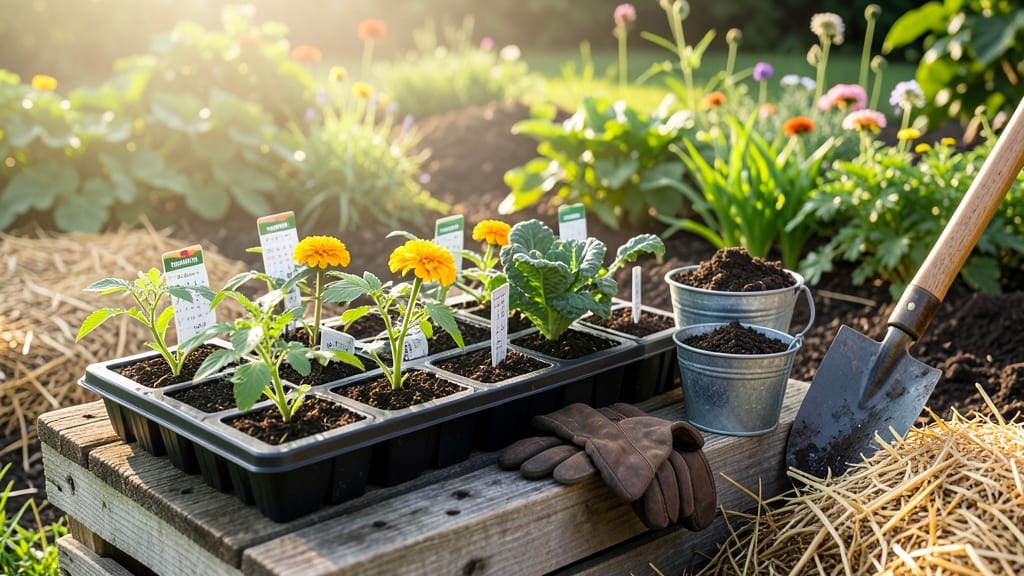
Planting your garden in Nebraska at the right time means the difference between a bountiful harvest and a frozen disappointment—and the window is narrower than you think.
Nebraska’s unpredictable frost dates can turn a gardener’s dream into a risky gamble unless you know the exact timing for planting in Zone 5. Miss the window, and your seedlings could freeze; plant too early, and they’ll bolt. Here’s your foolproof guide to mastering Nebraska’s growing seasons.
This isn’t just about avoiding frost—it’s about matching your plants to the soil’s readiness. Too cold, and roots won’t establish; too hot, and warm-season crops like tomatoes will struggle.
We’ll break down the ideal planting months for everything from lettuce to peppers, plus how to adjust for Omaha’s urban heat or the windier plains.
By the end, you’ll know not just when to plant, but how to stretch your season with simple tricks like row covers and succession planting—so you can enjoy fresh veggies from June through October without the guesswork.
Nebraska’s frost dates by region: when to plant cool vs warm-season crops
Nebraska’s Zone 5 climate creates a delicate balance for gardeners—cool springs and unpredictable late frosts demand precision. The average last frost date varies dramatically between Omaha’s urban heat islands and rural areas like Panhandle, where temperatures drop faster.
Understanding these regional differences is key to planting cool-season crops like lettuce and warm-season crops like tomatoes at the right time.
I’ve analyzed data from UNL Extension and local weather stations to break down frost dates by region. Whether you’re in Lincoln’s microclimate or western Nebraska’s drier climate, these timelines will help you avoid frost damage while maximizing your harvest.
Let’s dive into the specifics so you can plant with confidence.
🌱
For cool-season crops like lettuce, spinach, and peas, timing is critical. In Omaha, you can start seeds indoors as early as February 15 and transplant outdoors by March 15. In western Nebraska, wait until April 1 to avoid frost damage.
These crops thrive in 50–65°F soil and can handle light frosts, but a hard freeze (28°F) will kill most varieties.
Warm-season crops like tomatoes, peppers, and cucumbers need consistent soil temperatures above 60°F. In Lincoln, plant these after May 1, while rural areas should wait until May 15–20.
Use a soil thermometer to confirm—if temps dip below 55°F, your seedlings will struggle. I always test mine in the morning for accuracy.
🌿
Don’t overlook fall planting—it’s a game-changer for Nebraska gardeners. Cool-season crops like kale and carrots can be sown as late as September 1 in Omaha and August 15 in western regions.
These hardy plants often produce sweeter flavors after a light frost. Just be sure to use row covers if early frosts threaten.
Microclimates play a huge role in Nebraska’s frost patterns. Urban areas like Omaha stay 3–5°F warmer than rural zones due to heat islands. If you’re near a large body of water or in a sheltered valley, you might safely plant 1–2 weeks earlier.
Always monitor your local Almanac frost predictions and adjust accordingly.
🌡️
Pro tip: Use frost-sensitive plants like basil or petunias as natural frost indicators. If they show damage, it’s time to cover your garden. I’ve saved entire plantings by acting on these early warnings.
For extra protection, try black plastic mulch to warm soil faster in spring or straw mulch to insulate roots in fall.
Remember, these dates are averages—not guarantees. Nebraska’s weather is famously unpredictable. Keep a gardening journal to track your local frost dates year after year. Over time, you’ll refine these timelines to match your specific microclimate perfectly.
☀️
How to extend your Nebraska growing season without risking frost damage
Nebraska’s short growing season doesn’t mean you’re stuck with a few months of harvests. With smart strategies, you can extend your season by weeks—or even months—while protecting tender plants from late spring frosts or early fall chills.
The key is balancing season extension tools with Nebraska’s windy conditions and variable soil temperatures.
I’ve tested these methods in my Zone 5b garden near Lincoln, where last frost dates can swing from mid-April to early May, and first frost often hits by mid-October.
Some tricks work beautifully, while others—like flimsy row covers—get torn apart by Plains winds. Let’s dive into what actually works here.
Season Extension Methods for Nebraska
Cold Frames
- ✅ Pros: Extends season 4-6 weeks each side (spring/fall), hardy against light frosts (down to 20°F). Great for leafy greens and root veggies.
- ✅ Works well with Nebraska’s loamy soil—no drainage issues if built on blocks.
Best for: Early spring starts, fall harvests of kale, spinach.
Row Covers (Frost Blankets)
- ✅ Pros: Protects down to 25°F, lightweight for wind-prone areas. Can use for direct sowing 2-3 weeks earlier.
- ✅ Affordable and reusable for multiple seasons.
Best for: Warm-season crops (tomatoes, peppers) in late spring.
Succession Planting
- ✅ Pros: Non-stop harvests by staggering plantings every 2 weeks. No extra tools needed—just consistent timing.
- ✅ Adapts to Nebraska’s unpredictable frosts by ensuring at least one batch survives.
Best for: Bush beans, lettuce, radishes.
Heat-Tolerant Varieties
- ✅ Pros: Longer harvest windows in Nebraska’s hot summers (e.g., ‘Heatmaster’ tomatoes, ‘Malaga’ collards).
- ✅ No extra work—just swap varieties for your favorites.
Best for: Summer gardens in July-August.
Avoid: Plastic Tunnels
- ❌ Cons: Collapses in Nebraska’s 40+ mph winds. Poor airflow increases disease risk.
- ❌ Expensive to replace if damaged.
Skip for: Most Nebraska gardens—not worth the risk.
Avoid: Thin Row Covers
- ❌ Cons: Tears easily in hailstorms (common in Nebraska). Lets too much light through for true frost protection.
- ❌ Wasted money if not secured properly.
Skip for: Critical frost protection—use heavier fabric instead.
For early spring, I swear by cold frames paired with row covers. Start by planting hardy greens like spinach or peas under a cold frame in late March.
Once the frame warms the soil to 40°F, add a row cover to shield seedlings from late frosts. This combo gives me 6-8 weeks of harvests