
Planting
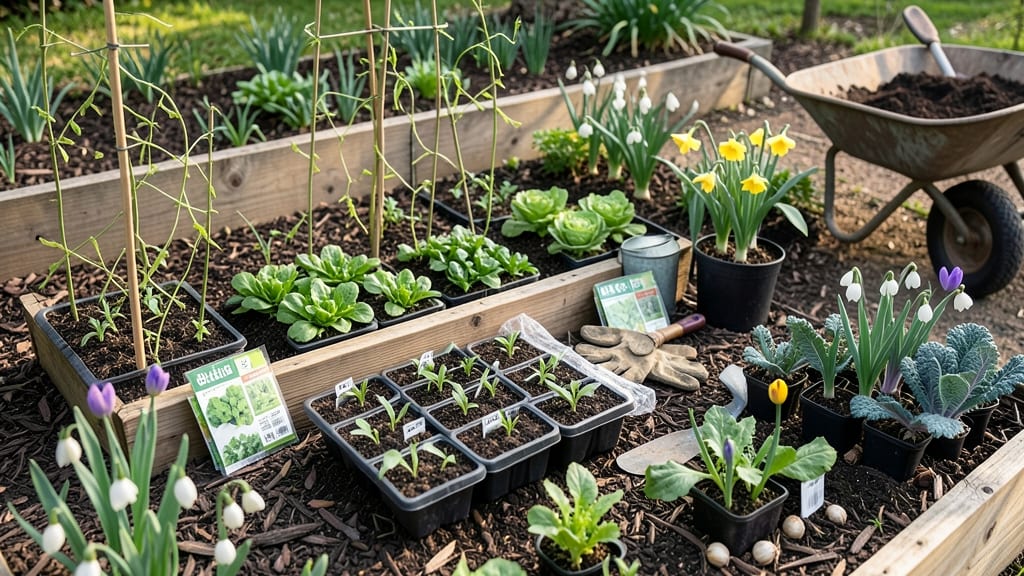
To plant a garden in Oregon, timing is everything—cool-season crops like spinach and carrots thrive in late March to early June, while warm-season tomatoes and peppers need to wait until after the last frost, usually by mid-May.
Oregon’s diverse climate—from coastal fog to inland heat—means planting your garden at the wrong time can spell disaster for your crops. Get the timing right, and you’ll enjoy a bountiful harvest; get it wrong, and you’ll be left with wilted dreams and wasted seeds.
Whether you’re in the Willamette Valley, the High Desert, or along the coast, knowing your microclimate is the key to success.
This guide breaks down the best planting windows for General Garden Plants 🌱 across Oregon’s USDA zones 7b-9a, including when to start seeds indoors, transplant outdoors, and which crops do best in spring versus fall.
You’ll also learn how to extend your growing season with simple tricks like row covers and cold frames.
Ready to dig in? We’ll walk you through a planting calendar tailored to your region, frost dates, and soil prep tips so you can start strong and keep your garden thriving all season long.
Oregon planting zones: cool-season vegetables timing guide by region
Oregon’s cool-season vegetables like spinach, kale, and carrots thrive in the state’s mild winters and spring conditions, but timing varies dramatically between USDA zones 7-9.
Whether you’re gardening in the Willamette Valley’s lush climate, the coastal fog belt, or the high desert’s arid conditions, knowing when to plant ensures your harvest won’t bolt or rot. Let’s break down the best planting windows for each region to maximize your garden’s potential.
In Zone 7b (common in the Willamette Valley), cool-season crops like broccoli and lettuce can often be planted as early as late February, while Zone 9a (found in the Medford area) allows for fall planting into November.
The coastal region, with its persistent fog, may delay spring planting by 2-4 weeks compared to inland areas. Meanwhile, the high desert (e.g., Bend) has a shorter growing season, requiring earlier starts and faster-maturing varieties.
Key factors to consider include soil temperature (aim for 40°F+ for most cool-season crops) and frost dates. The average last frost in Portland is April 15, while coastal areas like Astoria may see frost until May 1. High desert areas like La Pine can have frost as late as May 10, so plan accordingly. Below is a region-specific planting timeline to help you align your garden with Oregon’s unique microclimates.
| Region | USDA Zone | Spring Planting Window | Fall Planting Window | Key Crops | Notes |
|---|---|---|---|---|---|
| Willamette Valley | 7b | Late February - Early April | Mid-August - Mid-September | Spinach, Kale, Carrots, Peas | Rich soil; watch for slugs. |
| Coastal (Astoria, Newport) | 8a-8b | Late March - Mid-April | Early August - Early October | Lettuce, Radishes, Broccoli | Cooler, humid; use raised beds. |
| High Desert (Bend, La Pine) | 6b-7a | Early April - Mid-May | Late July - Early September | Kohlrabi, Swiss Chard, Turnips | Dry climate; mulch heavily. |
| Southern Oregon (Medford, Ashland) | 8b-9a | Mid-March - Early April | Late August - Late October | Cabbage, Brussels Sprouts, Beets | Warmer; extend season with row covers. |
For spinach and lettuce, which bolt quickly in warm weather, aim to plant them in early spring (March-April) or late summer (August-September). In the Willamette Valley, you can even sow a third crop in late July for a fall harvest.
Meanwhile, carrots and beets are more forgiving and can handle slightly warmer soil, making them ideal for late spring plantings.
In coastal Oregon, where fog and cooler temperatures linger, focus on slow-bolting varieties like ‘Winter Density’ kale or ‘Paris Market’ carrots. These varieties tolerate partial shade and cooler soils, which is a must in areas like Cannon Beach.
If you’re gardening in Zone 8b or 9a, don’t hesitate to plant into early October—many cool-season crops will still thrive before the first frost.
High desert gardeners should prioritize fast-maturing varieties and succession planting to beat the shorter growing season. For example, ‘Early Wonder’ peas can be sown in early April and harvested by June, while ‘Tokyo Cross’ radishes mature in just 25 days.
Use black plastic mulch to warm the soil faster and drip irrigation to conserve moisture in the dry climate.
Pro tip: Direct-sow seeds whenever possible—cool-season crops often transplant poorly. For leafy greens, like spinach or arugula, thin seedlings to
Warm-season planting schedule in Oregon: tomatoes, peppers, and more
Warm-season crops like tomatoes, peppers, and cucumbers need consistent warmth to thrive, so timing is critical in Oregon’s varied climate.
In Zone 8 (e.g., Willamette Valley), you can start seeds indoors as early as late February, while Zone 9 (e.g., Southern Oregon) allows outdoor planting up to two weeks earlier. Always wait until soil temperatures hit 60°F+ for direct sowing.
Your frost-free date is the golden rule—most warm-season crops can’t handle frost, so hold off until mid-May in coastal areas or early May inland. Use a soil thermometer to confirm warmth before planting; tomatoes and peppers need 70°F+ soil for best germination.
| Plant Type | Zone 8 (Willamette Valley) | Zone 9 (Southern Oregon) | Soil Temp Threshold |
|---|---|---|---|
| Tomatoes | Indoors: Feb 20 - Mar 15 Outdoors: May 15 |
Indoors: Feb 1 - Mar 1 Outdoors: May 1 |
60°F+ |
| Peppers | Indoors: Mar 1 - Mar 15 Outdoors: May 20 |
Indoors: Feb 15 - Feb 28 Outdoors: Apr 20 |
70°F+ |
| Cucumbers | Outdoors: May 10 - Jun 1 | Outdoors: Apr 15 - May 1 | 55°F+ |
| Basil | Indoors: Mar 1 - Mar 15 Outdoors: May 1 |
Indoors: Feb 20 - Mar 1 Outdoors: Apr 15 |
65°F+ |
For Zone 8 gardeners, peppers are the most finicky—start them indoors early and use grow lights if natural light is weak. In Zone 9, you can push the envelope by planting tomatoes outdoors as early as April 15 if you use row covers for protection.
Don’t forget about fall planting! In Oregon, you can often squeeze in a second crop of warm-season veggies like peppers or eggplants by planting seeds indoors in late July and transplanting in early September—just ensure your soil stays warm enough.
Pro tip: Use a plant heat mat if your soil warms up slowly. It can shave 1-2 weeks off your growing season, giving you an earlier start on tomatoes and peppers in cooler microclimates like the Willamette Valley.
Timing your warm-season crops right means the difference between a lush harvest and a sad, stunted plant. Follow these guidelines, and you’ll be enjoying homegrown tomatoes and peppers by summer! 🌱