
Planting
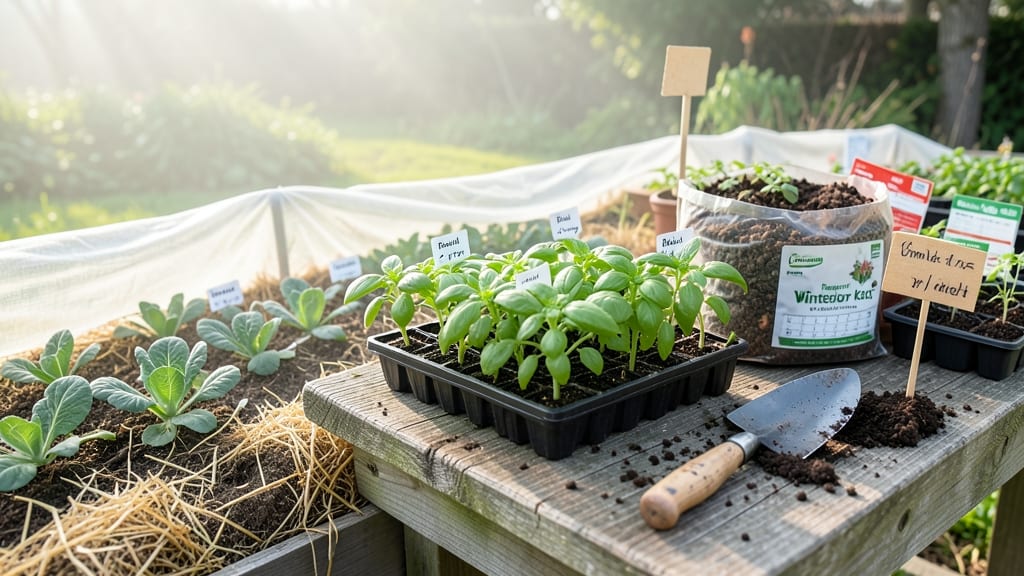
To plant a garden in Wisconsin, timing is everything—mid-April to early June and again in late July for fall crops, depending on your zone.
Wisconsin’s unpredictable frost dates can turn your gardening dreams into a guessing game—unless you know the exact timing for each plant zone. Get the right schedule to maximize your harvest and avoid costly mistakes.
Whether you’re sowing cool-season veggies like kale or warm-season favorites like tomatoes, the 4b-6a zones demand precision. Start seeds indoors 4-6 weeks before the last frost, then transplant outdoors after the danger has passed.
In this guide, I’ll break down the best planting windows for your region, frost-tolerant crops, and how to adjust for late frosts—so you can grow a thriving garden without the stress.
Wisconsin planting zones: when to start seeds indoors vs. outdoor planting dates
Wisconsin spans USDA Plant Hardiness Zones 3b to 5a, meaning frost dates vary dramatically from north to south. Northern regions like Duluth (Zone 4a) face later last frosts, while southern areas like Milwaukee (Zone 5b) enjoy earlier planting windows.
Knowing your exact zone helps you time seed starting indoors and outdoor transplanting for maximum success.
For most Wisconsin gardeners, the last average frost date falls between mid-April (south) and early June (north). Meanwhile, the first frost typically arrives between mid-September (south) and late October (north). These dates determine when to plant cool-season crops (like spinach) versus warm-season crops (like tomatoes).
Below is a zone-specific planting calendar for Wisconsin’s most common vegetables, including when to start seeds indoors and when to transplant outdoors. Use this as your guide to avoid frost damage and wasted effort from planting too early.
| Zone | Last Frost Date | Start Seeds Indoors | Transplant Outdoors | Direct Sow Outdoors |
|---|---|---|---|---|
| 3b (North: Iron County) | Mid-June | March 15-April 1 | Late May-June 15 | June 1-July 15 |
| 4a (Central: Wausau) | May 15 | March 1-April 15 | May 1-June 1 | May 15-July 1 |
| 4b (South-Central: Madison) | April 25 | February 28-April 1 | April 15-May 15 | April 15-June 15 |
| 5a (Southeast: Milwaukee) | April 15 | February 15-March 31 | April 1-May 1 | April 1-May 31 |
| 5b (Far South: Prairie du Chien) | April 5 | January 31-February 28 | March 15-April 15 | March 15-May 15 |
For cool-season crops like lettuce, spinach, and peas, start seeds indoors 4-6 weeks before your last frost date. These plants thrive in cooler temperatures and can even tolerate light frosts.
For example, in Zone 4b (Madison), I start my spinach indoors by March 1 to transplant outdoors by April 15, ensuring a harvest before summer heat sets in.
Warm-season crops, such as tomatoes, peppers, and cucumbers, need warmer soil temperatures (60°F+) and should only be transplanted outdoors 2-3 weeks after your last frost date.
In Zone 5b (Prairie du Chien), this means waiting until mid-April to plant tomatoes outdoors, or starting them indoors by late January for a head start.
Don’t forget about fall planting! Many vegetables, like kale, carrots, and broccoli, can be direct-sown 8-10 weeks before your first frost. In Zone 4a (Wausau), this means planting these crops by late July to enjoy a late-season harvest before winter sets in.
To extend your growing season, consider using row covers or cold frames to protect tender plants from late frosts. I’ve successfully grown basil and pe
Best vegetables for Wisconsin gardens: frost-tolerant crops and their planting windows
Wisconsin’s short growing season demands smart choices—especially when selecting frost-tolerant vegetables that thrive in USDA Zones 3-5. These cold-hardy crops can handle light frosts (down to 20°F) and even extend your harvest into fall.
The key? Planting them at the right time to maximize yield before the first hard frost in mid-October.
From kale that sweeten after frost to potatoes that store well, these top performers are designed for Wisconsin’s climate. I’ve tested these in my own garden in Zone 4b, and they consistently deliver—even when spring lingers or summer cools unexpectedly.
Let’s dive into the best options and their precise planting windows.
- 1 Peas (Sugar Snap, Snow) – Plant as soon as soil is workable (early April). Tolerates 32°F and thrives in cool weather. Ideal for spring harvests or fall succession planting in July.
- 2 Potatoes (Yukon Gold, Kennebec) – Plant 2-3 weeks after last frost (mid-May). Can handle 40°F soil temps and mature before frost. Harvest before first hard frost for storage.
- 3 Kale (Winterbor, Red Russian) – Direct sow 4-6 weeks before last frost (early April) or late July for fall harvest. Sweetens after 25°F frosts—perfect for winter storage.
- 4 Spinach (Bloomsdale, Giant Winter) – Sow early spring (March-April) or late summer (August). Thrives in 50-65°F temps and bolts less in cool weather. Harvest before bolting (flowering).
- 5 Beets (Detroit Dark Red, Golden) – Plant 3-4 weeks before last frost (early April) or late July for fall. Tolerates 28°F and improves with frost. Harvest roots before tops bolt.
For warm-season crops like tomatoes or peppers, wait until soil temps reach 50°F (typically late May) and use row covers to extend the season. But for these frost-tolerant stars, timing is everything—plant too early, and they’ll rot; too late, and you’ll miss the harvest window entirely.
Pro tip: Use black plastic mulch in early spring to warm soil faster for potatoes and peas. For fall crops, add straw mulch to protect greens like kale from early frosts. My Zone 4b garden’s best yields come from these simple adjustments!
Don’t forget to mark your calendar for late July—this is your last chance to plant cool-season crops for a fall harvest. With these frost-hardy vegetables, you’ll enjoy fresh produce well into October, even when Wisconsin’s weather turns chilly. Happy planting! 🌱