
Planting
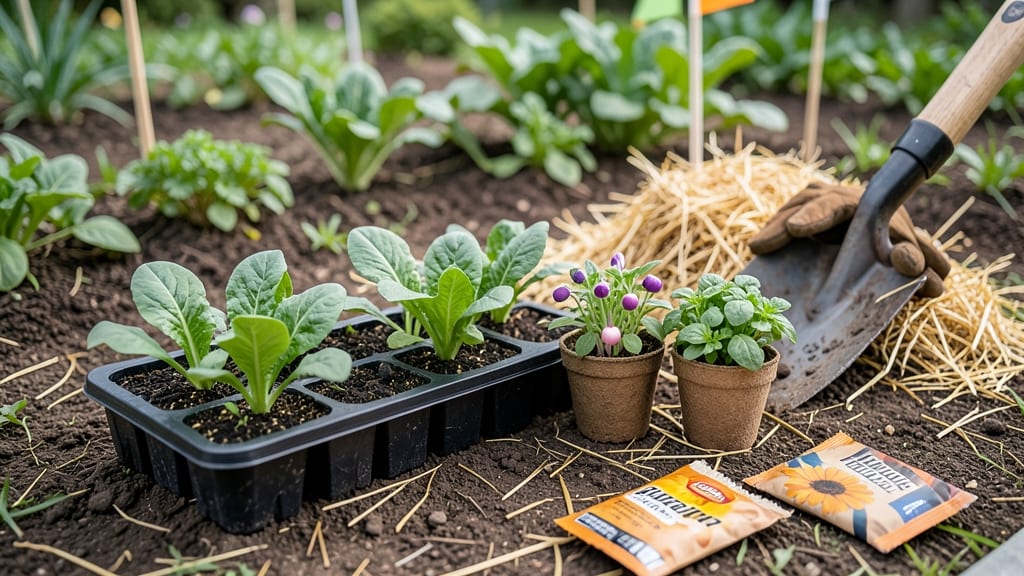
To plant a garden in WV at the perfect time means starting mid-April for cool-season crops or waiting until late August for fall plantings—timing that avoids frost and maximizes your 165 frost-free days.
West Virginia’s diverse climate—from snowy Appalachian valleys to humid river regions—means planting your garden at the wrong time can leave you with stunted veggies or wasted seeds. But timing it right unlocks bountiful harvests, even in WV’s shorter growing seasons.
Whether you’re sowing spinach in Zone 6a or tomatoes in Zone 7a, knowing your last frost date (around April 15) is the key to avoiding failed starts. Mountain areas may need to wait another two weeks, while valleys can plant earlier.
Below, I break down the exact months for every crop, plus WV-specific tips to adjust for unpredictable weather—so you can grow more without the guesswork.
WV planting zones & last frost dates by region (2024 guide)
West Virginia spans USDA Hardiness Zones 5b through 7a, creating a patchwork of microclimates that can shift your planting window by 2-3 weeks depending on elevation and location.
In the Charleston area (Zone 7a), you might start tomatoes in early April, while Morgantown (Zone 6b) gardeners wait until mid-April to avoid frost damage. Rural mountain regions often experience earlier last frosts than valleys, so knowing your exact zone is critical for timing.
For most of WV, the average last frost date falls between April 15 and May 1, but this can vary by 10 days or more based on microclimates.
The first frost typically arrives around October 15, leaving you with roughly 165 frost-free days to grow warm-season crops like peppers and squash. This guide breaks down exact dates for WV’s major regions and how to adjust for local conditions.
🌱 Pro Tip: Use a local frost calendar (like WVU Extension’s) and monitor soil temperatures—most seeds need 60°F+ soil to germinate properly. A soil thermometer is your best friend in WV’s unpredictable spring.
If you’re in a mountain microclimate, like the Monongahela National Forest areas, your last frost can arrive 3 weeks later than Charleston. Conversely, river valleys (such as the Ohio River basin) often see earlier springs due to heat retention.
To account for this, I recommend planting cold-hardy crops like peas and spinach in early March—even if frost is likely—since they’ll survive light freezes.
For warm-season crops (tomatoes, peppers, cucumbers), wait until after May 15 in most of WV, or risk losing seedlings to late frosts.
In Zone 7a (Charleston), you can push the envelope and plant heat-loving crops like okra by April 20, but in Zone 6a (Huntington), hold off until May 10 to be safe. Always check the WVU Extension frost tracker for real-time updates.
Another critical factor is soil warming. In WV’s cooler zones, soil can take 3–4 weeks longer to reach the 60°F threshold needed for warm-season seeds. Use black plastic mulch or cold frames to speed up the process.
I’ve seen tomato seedlings in Morgantown germinate 10 days faster with these tricks during chilly springs.
For fall planting, aim to sow warm-season crops by August 1 in Zone 7a or July 15 in Zone 6a. This gives plants enough time to mature before the first frost. Broccoli, kale, and carrots are excellent choices for fall, as they tolerate cooler temperatures.
In rural mountain areas, you might even squeeze in a second planting of bush beans by July 20 if you’re lucky with weather.
Remember: WV’s unpredictable weather means your actual frost dates may vary by 1–2 weeks from averages. Keep a garden journal to track your local patterns year after year.
Over time, you’ll refine your planting schedule to match your specific microclimate—whether that’s a sunny Charleston backyard or a shady Morgantown mountain slope.
🌿 Key Takeaway: Charleston gardeners can start 3 weeks earlier than mountain growers, but soil temperature is the real deciding factor. Always plant after the last frost and when soil hits 60°F+ for warm crops. Happy planting!
Best crops to plant in WV by season (with exact months)
West Virginia’s 165 frost-free days demand precise timing to maximize yields. Cool-season crops like spinach and kale thrive in spring’s mild temps, while warm-season tomatoes and peppers need summer’s heat. Mountain areas may delay planting by 2 weeks compared to valleys.
Succession planting—sowing radishes every 2 weeks—extends harvests through October. Below, I’ve mapped exact months for WV’s top crops, plus Mountain Magic beans and other local favorites that perform best in our climate.
Spinach, Kale, Lettuce, Peas, Radishes
Sow 4–6 weeks before last frost (Zone 6a: March 15; Zone 7a: March 25). Use row covers for early starts.
Tomatoes, Peppers, Beans, Corn, Cucumbers
Wait until soil hits 60°F (Zone 6a: May 10; Zone 7a: April 25). Start ‘Mountain Magic’ beans after last frost.
Broccoli, Carrots, Brussels Sprouts, Lettuce
Sow 8–10 weeks before first frost (Zone 6a: August 15; Zone 7a: September 1). Use black plastic mulch to warm soil.
Radishes, Lettuce, Bush Beans
Sow every 2–3 weeks from April–July to harvest through October. Example: Plant ‘Cherry Belle’ radishes April 1, May 1, June 1.
For Zone 6a (e.g., Morgantown), start cool crops by March 15 and warm crops by May 10. In Zone 7a (e.g., Charleston), push spring plantings to March 25 and summer crops to April 25. Always check soil temps with a thermometer—cool soil slows germination.
Pro tip: Use straw mulch around tomatoes to retain moisture and fish emulsion for a mid-summer boost. With these exact dates, you’ll avoid bolted greens and stunted peppers—guaranteed!
Need more? Check WVU Extension’s frost date maps for your county-specific adjustments. Happy planting! 🌱