
Planting
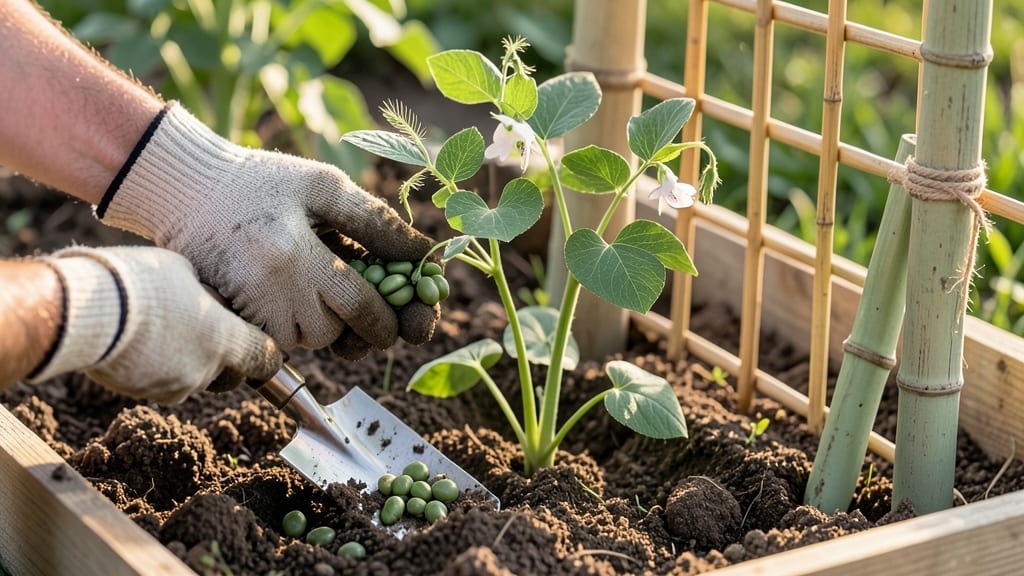
To plant garden peas, aim for 4–6 weeks before your last frost—this timing ensures they mature before summer heat sets in and ruins the pods.
Garden peas are one of the fastest-growing vegetables—some varieties mature in as little as 60 days—but timing your planting wrong can mean missed harvests or stunted growth. Unlike heat-loving crops, peas thrive in cool weather, making their planting window a critical (and often misunderstood) factor for success.
In Zone 6a, that means getting seeds in the ground by early April, but if you live in a milder climate, you can even plant a second crop in late summer for a fall harvest.
The key is avoiding soil temperatures above 85°F, which stops germination and stresses young plants.
Below, I’ll break down the best planting times for your region, how to prep soil for fast germination, and 5 pro tips to stretch your harvest window—including when to avoid planting and how to revive struggling plants.
Best planting times for garden peas by climate Zone
Garden peas are cool-season champions that thrive when temperatures hover between 60–70°F. Unlike tomatoes or peppers, they won’t tolerate summer heat—so timing is everything. The key is planting 4–6 weeks before your last frost date in spring or 70–90 days before your first frost in fall.
But the exact window depends on your USDA hardiness zone and regional microclimates.
In cold climates (Zones 1–5), peas are often the first crop in the garden. I’ve seen gardeners in Minnesota or Maine start seeds indoors 8–10 weeks before last frost or sow directly as soon as soil reaches 40°F.
Meanwhile, temperate zones (6–8) like the Midwest or Pacific Northwest offer a longer window, while warm climates (9–11) may only get one cool season—either fall or winter.
Here’s where it gets tricky: Peas are frost-tolerant but won’t germinate in freezing soil. Some varieties, like Sugar Snap or Wando, can handle light frosts, while others, like Green Arrow, need soil temps above 45°F.
That’s why I always check my local Almanac’s frost dates and adjust my planting schedule accordingly.
🌱
| Climate Zone | Best Planting Window | Soil Temp Requirement | Frost Tolerance | Regional Notes |
|---|---|---|---|---|
| Cold (Zones 1–5) | Early spring: 4–6 weeks before last frost Fall: 90–100 days before first frost |
40–50°F (4–10°C) | Survives 20–25°F (-6 to -4°C); avoids soil below 32°F (0°C) | Northern US/Canada: Start indoors 8–10 weeks early for longer harvests. Use row covers to extend season. |
| Temperate (Zones 6–8) | Early spring: 6–8 weeks before last frost Fall: 70–80 days before first frost |
45–55°F (7–13°C) | Tolerates 15–20°F (-9 to -6°C); avoid soil below 35°F (2°C) | Midwest/Southwest: Succession plant every 2 weeks for continuous harvests. Avoid July/August heat. |
| Warm (Zones 9–11) | Fall: 90–120 days before first frost Winter: Southern CA/FL only |
50–60°F (10–16°C) | Tolerates 25–30°F (-4 to -1°C); no spring planting in heat | Arizona/California: Plant September–October for winter harvests. Use shade cloth in summer. |
| Overwintering (Zones 7–10) | Fall: 60–70 days before first frost Winter: Mild zones only How soil temperature affects pea germination and growthPeas are cool-season champions, but their germination and growth hinge on soil temperature. For best results, aim for 40–85°F—below 40°F, seeds stall, while above 85°F, they refuse to sprout. This range ensures strong root development and prevents heat stress, which can turn your eager seedlings into sad, wilted plants. In Zone 6a, early spring soil often sits in the 45–60°F range—perfect for peas. But if your soil runs cold (below 40°F), germination can take 3+ weeks instead of the usual 7–14 days. Testing your soil’s temperature before planting saves time and frustration. 🌱 Pro Tip: Use a soil thermometer (just $10) to check temps 2–3 inches deep. Morning readings are most accurate since afternoon sun can skew results. If your soil is too cold, try these tricks: Lay down black plastic mulch 2 weeks before planting to absorb sunlight and warm the soil, or plant in raised beds, which heat up faster. For late frosts, use frost blankets or row covers to shield tender seedlings. Slow sprouting? Check for moisture issues—peas need consistent dampness (not soggy) to germinate. If seeds rot instead of sprout, they’ve been overwatered. Aim for 1 inch of water per week and avoid compacted soil, which blocks oxygen and roots. Once sprouted, peas grow best in 60–75°F soil. If summer heat arrives early, opt for shade-tolerant varieties like ‘Oregon Sugar Pod’ or ‘Tom Thumb’—they handle warmer conditions better than traditional types. Harvest before pods toughen, usually in 60–70 days, to enjoy sweet, tender peas. 🌿 Remember: Peas are frost-hardy but heat-sensitive. Time your planting to avoid summer’s peak—this ensures a bountiful harvest before the heat sets in. |