
Planting
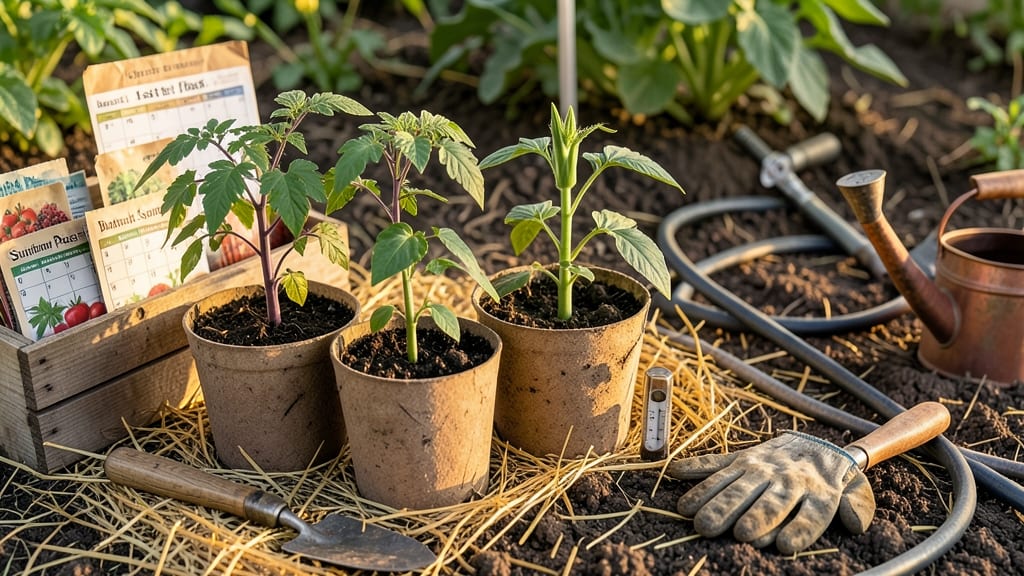
Planting your vegetable garden in Oklahoma at the right time ensures a bountiful harvest 🥕—aim for late winter to early spring or late summer to early fall to align with the state’s 6a-8a climate zones.
Oklahoma’s Zone 7b climate means your vegetable garden’s success hinges on timing—plant too early and risk frost, too late and face scorching heat. Master these precise planting windows to grow heat-tolerant crops like tomatoes, peppers, and okra with confidence.
Cool-season crops like lettuce and peas thrive when planted 4-6 weeks before your last frost, typically by early March in central Oklahoma. Meanwhile, warm-season favorites need soil temperatures of at least 60°F, usually around mid-April.
Below, I’ll break down the exact planting windows for both cool and warm-season vegetables, including frost dates for Oklahoma City and Tulsa, so you can plan your garden like a pro.
Oklahoma Zone 7b planting calendar: exact months for cool vs. warm-season vegetables
Oklahoma’s Zone 7b climate creates a unique challenge for gardeners—balancing early spring frosts with blistering summer heat. The key to success lies in understanding exact planting windows for both cool-season and warm-season vegetables.
In cities like Oklahoma City and Tulsa, the average last frost date falls around March 15, while the first frost typically arrives in mid-November. This means you’ve got a 180-240 day frost-free window to grow your garden—if you time it right.
Cool-season vegetables like lettuce, spinach, and peas thrive in cooler temperatures (below 75°F) and should be planted 4-6 weeks before your last frost.
Meanwhile, heat-loving crops such as tomatoes, peppers, and okra need to wait until the soil reaches at least 60°F—usually mid-April to early May. Fall planting for warm-season crops is also possible, starting in late July to avoid the hottest months.
Here’s a quick reference for direct sowing vs. transplanting timelines. Direct sowing means planting seeds straight into the garden, while transplanting involves starting seeds indoors or buying young plants. For cool-season crops, direct sowing is ideal in early spring (February-March) and late summer (August-September).
Warm-season crops, however, are often transplanted after the last frost to give them a head start in the heat.
🌱
For cool-season vegetables, focus on planting in February and March for a spring harvest, or August and September for a fall harvest.
These crops can handle cooler temperatures and even light frosts, making them ideal for early spring or late summer planting. Lettuce, for example, should be sown 4-6 weeks before your last frost—around mid-February—to ensure it matures before the heat sets in.
Similarly, spinach and peas thrive in these conditions and can be planted at the same time.
Warm-season vegetables, on the other hand, demand warmer soil and air temperatures. These crops include tomatoes, peppers, okra, and sweet potatoes, all of which need to be planted after the last frost date.
In Oklahoma City and Tulsa, this typically means waiting until mid-April to early May. For a fall harvest, you can plant these crops again in late July, giving them enough time to mature before the first frost in November.
One of the biggest mistakes gardeners make is planting warm-season crops too early. Seeds may rot in cold soil, and young plants can be damaged by late spring frosts. To avoid this, use a soil thermometer to check that temperatures are at least 60°F
Heat-tolerant vegetables that thrive in Oklahoma’s summer: best choices and planting tips
When Oklahoma’s summer temperatures soar past 90°F, most gardeners panic—but not you! These 8 heat-tolerant vegetables actually thrive in our brutal summers, producing bountiful harvests with minimal fuss. From sweet potatoes to okra, these crops love the heat and can handle Oklahoma’s Zone 7b summers like champions.
To maximize your yields, focus on soil preparation and proper spacing. Oklahoma’s clay-heavy soil needs organic matter to improve drainage, while mulching helps retain moisture during scorching afternoons. Let’s dive into the top 8 heat-resistant crops and their ideal planting strategies for Oklahoma’s intense summers.
Plant slips after last frost (mid-April) in well-draining soil. Space 12-18 inches apart in rows 3 feet apart. Harvest 100-120 days after planting.
Direct sow after soil warms (late April). Space 4-6 inches apart in full sun. Harvest 50-60 days when pods are plump.
Start seeds indoors 6-8 weeks before last frost or direct sow after May 1. Space 12-18 inches apart. Harvest 50-60 days when pods are 3-4 inches long.
Plant after last frost (April). Space 12-18 inches apart in partial shade. Harvest 60-90 days by pinching leaves.
Direct sow after soil reaches 65°F (late April). Space 4-6 inches apart. Harvest 50-70 days when pods are tender.
Start seeds indoors 8-10 weeks before last frost or transplant after May 15. Space 12-18 inches apart. Harvest 60-90 days when ripe.
Transplant after last frost (May). Space 18-24 inches apart in full sun. Harvest 70-85 days when glossy and firm.
Transplant after May 1. Space 18-24 inches apart. Use mulch to retain moisture. Harvest 60-85 days when ripe.
For sweet potatoes, focus on loose, sandy soil to prevent rot. Plant slips (young plants) when soil temperatures hit 65°F, typically by mid-April. Use black plastic mulch to warm the soil faster and deter weeds. Harvest before first frost (mid-November) by carefully digging up the tubers.
When growing okra and peppers, prioritize consistent moisture—these plants wilt quickly in Oklahoma’s dry heat. Water deeply early in the morning to reduce evaporation and fungal diseases. For tomatoes, choose heat-tolerant varieties like ‘Celebrity’ or ‘Solar Fire’ to avoid blossom drop in 90°F+ temperatures.