
Planting
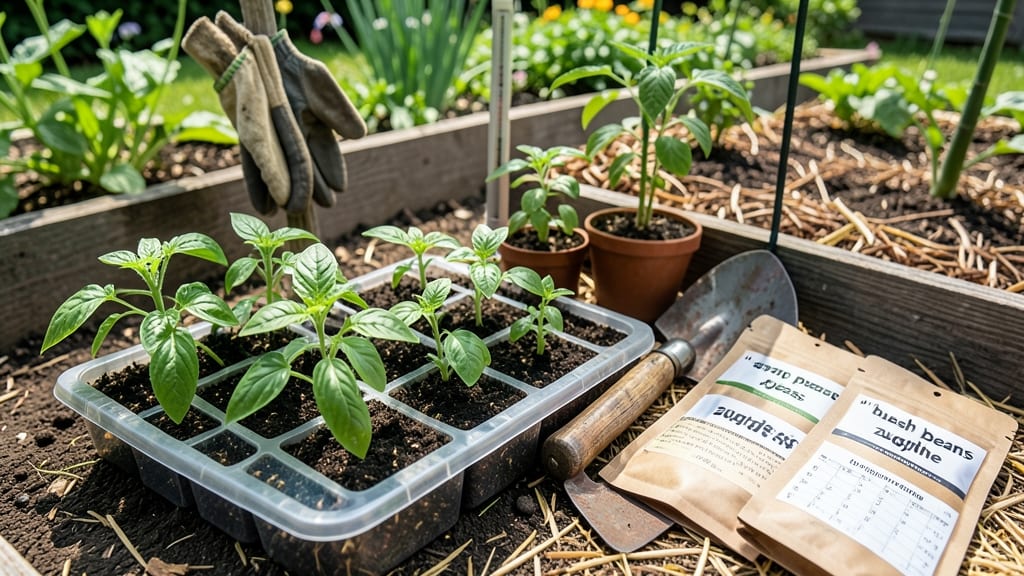
Planting your garden in Ohio at the right time means the difference between a bumper crop and a sad, frost-nipped disappointment.
Ohio’s unpredictable spring weather can leave gardeners scrambling—plant too early and risk frost damage, too late and miss peak harvests. Mastering the perfect planting window for Zone 6A/6B ensures your tomatoes, peppers, and herbs thrive when they should.
Most Ohio gardeners wait for average last-frost dates between March 20 and April 10, but soil temperature and microclimates matter just as much. A warm spell in March won’t fool your lettuce into germinating—cool-season crops need 40°F soil, while tomatoes won’t sprout until it hits 60°F.
In this guide, I’ll break down the exact planting calendar for Ohio’s two zones, share tricks to extend your growing season, and help you avoid the top 5 timing mistakes that waste seeds and effort. Let’s get those seeds in the ground when they’ll actually grow!
Ohio planting calendar by zone 6A/6B: exact dates for cool vs warm-season crops
Ohio’s Zone 6A/6B climate creates a delicate balance between cool-season crops that love spring’s chill and warm-season crops that crave summer’s heat. The last spring frost typically arrives between March 20 and April 10, while the first fall frost hits around October 15–November 1.
These dates are your garden’s guiding stars—but microclimates in Ohio mean southern Ohio (like Cincinnati) can be 1–2 weeks ahead of northern areas (like Toledo).
To maximize yields, I’ve broken down the ideal planting windows for Ohio’s most popular vegetables, herbs, and flowers. Whether you’re sowing cool-loving lettuce in early spring or heat-seeking tomatoes after Memorial Day, timing is everything.
Use this calendar to align your planting with Ohio’s soil temperature trends and frost probabilities, ensuring your garden thrives from seed to harvest.
🌱
For Zone 6A (northern Ohio, like Cleveland or Youngstown), err on the side of caution—wait until April 20 for warm-season crops, as late frosts are more common. In Zone 6B (southern Ohio, like Cincinnati or Columbus), you can push planting to April 1 for early varieties.
Always check soil temperature with a probe: 40°F+ for cool crops and 60°F+ for warm crops.
Succession planting is your secret weapon in Ohio. For example, sow lettuce every 2 weeks from April through August to enjoy fresh greens all season. Similarly, beans and cucumbers benefit from staggered plantings to extend harvest windows before fall frosts hit.
I recommend keeping a gardening journal to track your local frost dates and adjust future years accordingly
How to adjust planting times for Ohio’s microclimates and frost risks
Ohio’s diverse landscapes—from the cool highlands of Youngstown to the urban heat islands of Columbus—create microclimates that can shift planting windows by weeks. Even within Zone 6A/6B, these variations mean your neighbor’s tomato plants might thrive while yours struggle.
The key? Adjusting planting times using season extension tools and smart succession planning.
Start by understanding your local frost risks. High-altitude areas like Youngstown often experience earlier frosts (late April to early May), while cities like Columbus may stay frost-free until May 15 or later. Use the National Weather Service’s frost prediction maps and add a 2-week buffer for safety.
For example, if your average last frost is April 20, wait until May 5 to plant warm-season crops like peppers.
- 🌡️ Calculate your frost-free window: Subtract 14 days from your average last frost date for warm-season crops. Example: If frost ends April 20, plant after May 5.
- 🏙️ Adjust for urban heat islands: Cities like Columbus can be 5–10°F warmer than rural areas. Start heat-loving plants (tomatoes, cucumbers) 7–10 days earlier.
- 🌿 Use row covers: Extend spring planting by 2–4 weeks for cool-season crops (lettuce, spinach) with lightweight fabric. Remove when plants bolt.
- ☀️ Leverage cold frames: Protect seedlings with clear plastic domes. Start hardy greens 3–4 weeks before your usual date in high-altitude zones.
- 🔄 Practice succession planting: Sow fast-maturing crops (radishes, bush beans) every 2 weeks from May to July for continuous harvests.
For high-altitude areas like Youngstown, prioritize cold-hardy varieties and delay planting until soil temperatures reach 50°F for warm-season crops. Test soil with a soil thermometer—waiting for the right temperature prevents stunted growth.
In contrast, urban heat islands allow earlier planting of sensitive crops like basil or eggplant, but monitor for heat stress by providing afternoon shade.
Don’t overlook succession planting to maximize your growing season. For example, plant bush beans in three batches: May 15, June 1, and June 15. This ensures a steady supply while accounting for Ohio’s unpredictable weather.
Pair this with interplanting—grow radishes between rows of cabbage—to utilize space efficiently. Even in short seasons, this strategy can add 4–6 weeks of harvest time.
Finally, keep a gardening journal to track your local microclimate’s quirks. Note when unexpected frosts occur or how urban heat affects your soil. Over time, you’ll refine your planting schedule to outsmart Ohio’s variable climate.
With these adjustments, you’ll enjoy longer harvests and healthier plants, regardless of where you garden in the state.