
Tools
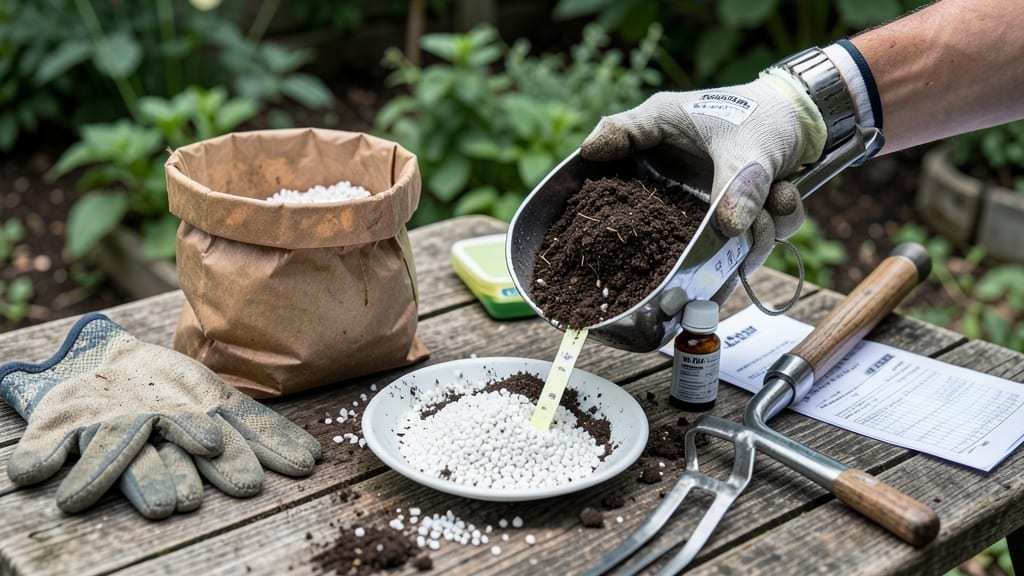
To put lime in garden soil, aim for fall—about 3 to 4 months before planting—so it has time to adjust pH levels naturally.
If your plants look stunted or leaves turn yellow, your soil might be too acidic. Lime can fix that—but timing is everything. Apply it too late, and your plants won’t get the nutrients they need in time.
Most gardeners focus on spring, but fall is actually the best time for lime because it works slowly over winter. By planting season, your soil will be balanced, giving roots the ideal environment to thrive.
In this guide, I’ll break down the exact months to apply lime, how to test your soil first, and which plants benefit most from a pH boost.
Best times of year to apply lime for optimal soil pH balance
If your garden soil is too acidic, applying agricultural lime can transform your plants' health—but timing is everything. The best times to add lime are early fall or early spring, when soil is workable and plants aren't actively growing.
This gives lime time to react with the soil before the growing season begins, preventing rapid pH changes that could stress roots.
Many gardeners swear by fall application because it allows lime to integrate into the soil over winter, creating ideal conditions for spring planting. However, in warmer climates with mild winters, early spring might be your best bet to avoid washing lime away during heavy rains.
Let's break down the seasonal timing and regional considerations for optimal results.
⚠️ NON-NEGOTIABLE: Always test your soil's pH before applying lime. A soil pH test will tell you exactly how much lime to use—overapplying can make soil too alkaline, harming acid-loving plants like blueberries and azaleas. Aim for a target pH of 6.0–7.0 for most vegetables and flowers.
| Season | Best Time to Apply | Why This Timing Works | Climate Considerations |
|---|---|---|---|
| Fall | 3–4 months before planting (e.g., October–November in Zone 6) | Lime integrates into soil over winter; prevents spring rush. | Ideal for cold climates (Zones 3–7). Avoid in rainy fall months. |
| Early Spring | 4–6 weeks before planting (e.g., March–April in Zone 6) | Gives lime time to react before active growth begins. | Best for warm climates (Zones 8–10) or dry springs. |
| Late Spring/Summer | Not recommended (unless correcting severe acidity) | Risk of root burn from rapid pH changes. | Avoid in humid climates (fungal risks increase). |
In cold climates like USDA Zones 3–5, fall application is your best bet because freezing temperatures slow down soil activity, giving lime time to work without leaching away. For example, in Zone 4, aim to apply lime in September or October so it’s ready for spring planting.
Meanwhile, in Zone 8 or warmer, early spring (February–March) is ideal to avoid winter rains washing lime away.
If you’re in a transition zone (like Zone 6 or 7), pay attention to your local frost dates. Apply lime 6–8 weeks before the average last frost date to ensure it’s fully integrated before planting.
For instance, if your last frost is April 15, apply lime in late February for early spring planting.
One common mistake is applying lime too close to planting, which can cause a sudden pH shift and nutrient lockout in plants. For example, adding lime in May might raise pH too quickly, starving young seedlings of essential nutrients like phosphorus and iron.
Always give lime 3–4 months to adjust soil pH before planting sensitive crops like tomatoes or peppers.
For container gardens, the timing is slightly different. Since potting mix dries out faster, apply lime in early spring and mix it thoroughly into the soil. Avoid adding lime to containers in summer, as high temperatures can accelerate pH changes and harm delicate roots.
Water containers lightly after applying lime to help it distribute evenly.
After applying lime, monitor your plants for signs of improvement, such as darker green leaves and healthier growth. If you notice yellowing between leaf veins, your soil might still be too acidic—retest the pH in 3–4 months and reapply lime if needed.
Remember, lime is a long-term soil amendment, not a quick fix, so consistency is key.
For acid-loving plants like blueberries or hydrangeas, avoid lime entirely—these plants thrive in acidic soil (pH 4.5–5.5). Instead, focus on organic matter like pine needles or peat moss to maintain low pH. Always match your soil amendments to your plants' needs!
How to test soil pH before adding lime: step-by-step guide
Testing your soil pH before adding lime is the first step to avoiding over- or under-correcting acidity. Most garden plants thrive in a pH range of 6.0–7.0, but acidic soils (below 5.5) can stunt growth and block nutrient uptake.
Without testing, you might guess wrong and harm your plants instead of helping them.
I recommend starting with a DIY soil test kit—they’re affordable, easy to use, and give you quick results. These kits typically cost $10–$20 and include probes, color charts, or digital meters.
For more precise readings, a lab test (around $20–$50) is worth the investment if you’re serious about fine-tuning your garden’s health.
Here’s how to test your soil pH accurately, whether you’re using a home kit or sending samples to a lab:
- 🔹 Collect samples: Take 6–8 small cores from 6 inches deep across your garden, mixing them in a clean bucket.
- 🔹 Air-dry soil: Spread samples on a tray for 24 hours to remove excess moisture (critical for accurate readings).
- 🔹 Use a kit: Follow instructions to mix soil with distilled water, then match the color to the pH chart (or use a digital probe).
- 🔹 Lab test option: Mail samples to a local extension office or private lab for professional analysis (includes pH + nutrient levels).
- 🔹 Interpret results: pH 5.0–6.0 = mild acidity (add lime); below 5.0 = highly acidic (needs more lime).
If your soil tests between 5.0 and 6.0, a light application of lime (about 1–2 lbs per 100 sq ft) will likely balance it by planting season.
But if the pH drops below 5.0, you’ll need a stronger dose—up to 5 lbs per 100 sq ft—and retest in 3–4 months. Always reapply lime based on new test results, not guesswork.
Lime takes time to work, so test again in spring before planting. This ensures your soil’s pH is stable and ready for seeds or transplants. Over-liming can raise pH too high, making nutrients like iron and manganese unavailable—so accuracy is key!
For container gardens, use a small pH meter or test kits designed for pots. The process is the same, but you’ll need to adjust lime amounts based on your container’s size (typically 1/4 to 1/2 cup per 5-gallon pot for acidic soils).