Tools
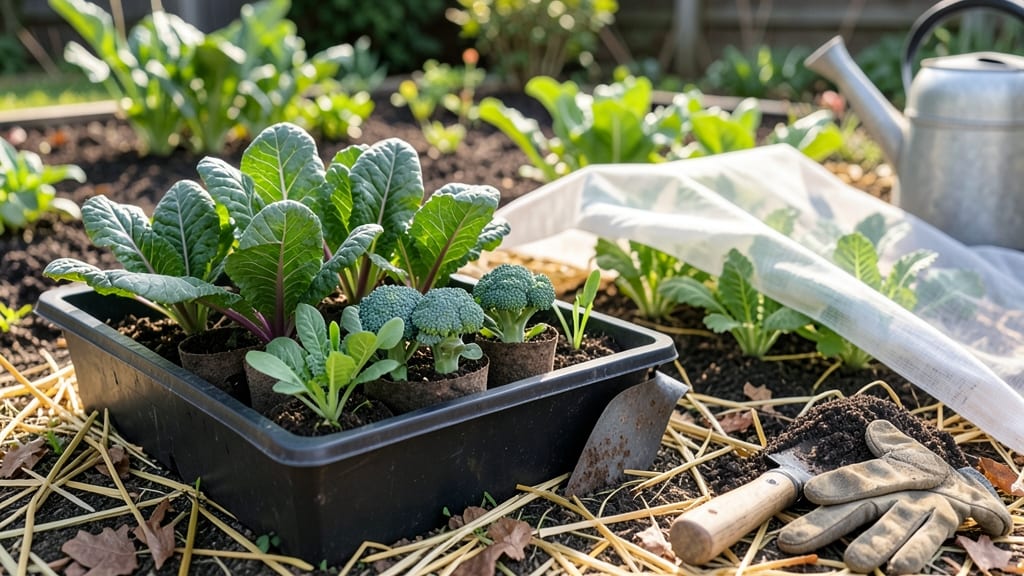
To start a fall garden, timing is everything—planting too early risks stunted growth, while waiting too late means frost ruins your harvest before it even begins.
Timing is everything in gardening—and getting your fall garden started at the wrong time can mean the difference between a bountiful harvest and a frost-killed disappointment. But don’t worry: with the right climate-zone planting schedule, you can beat the cold and grow thriving vegetables all season long.
Most gardeners overlook how regional frost dates shift planting windows by weeks, even within the same state. In USDA Zones 3-5, you might start as early as late July, while in Zones 8-10, late August or early September works best.
The key is knowing your first frost date and counting backward from there.
Below, I’ll break down the exact planting windows for your zone, the best cool-season crops to grow, and how to extend your harvest well into winter—no guesswork required.
Fall garden planting timelines by USDA climate Zones
Fall gardening lets you enjoy fresh vegetables when summer heat fades—but the perfect planting window depends entirely on your USDA climate zone. In Zone 3, you’ll plant earlier to beat hard frosts, while Zone 11 gardeners can sow year-round.
The key is understanding your frost-free days and adjusting for microclimates like sheltered spots or urban heat islands.
Cool-season crops like spinach, kale, and broccoli thrive in cooler weather, but they need time to mature before winter sets in. For example, carrots planted too late may bolt or freeze, while Brussels sprouts need at least 90 days to reach harvest size.
Let’s break down the ideal planting windows by zone so you can avoid common mistakes like overestimating frost dates or underpreparing soil.
Below is your zone-specific planting guide, including when to start seeds indoors, transplant seedlings, and direct-sow for a fall harvest. I’ve also included adjustments for early/late frosts and how to use row covers to extend your season.
In Zones 3-4, where winters are harsh, focus on fast-maturing crops like radishes (30 days) or baby leaf lettuce (40 days). Start seeds indoors 6-8 weeks before your last frost date, then transplant hardened-off seedlings into well-draining soil enriched with compost.
Use black plastic mulch to warm soil in early fall and straw mulch to insulate roots later.
Gardeners in Zones 5-6 have more flexibility but should prioritize broccoli and Brussels sprouts, which handle light frosts. Sow seeds 4-6 weeks before your first frost for a 90-day harvest window.
If your fall is unusually warm, opt for heat-tolerant varieties like 'Winterbor' kale, which sweeten after frost.
For Zones 7-8, where frost arrives later, you can extend your season by planting succession crops every 2-3 weeks from September onward. Try turnips or collards, which improve in flavor after a light freeze.
Use row covers to protect tender greens from unexpected cold snaps, especially in microclimates like valleys or low-lying areas.
In Zones 9-10, frost is rare, but heat can still stress plants. Plant heat-tolerant greens like malabar spinach or mustard greens in late summer for a fall harvest. Water deeply in the morning to prevent fungal diseases, and use shade cloth if temperatures exceed 90°F during seedling stages.
If you’re in Zone 11, you’re in luck—you can grow cool-season crops almost year-round! Focus on succession planting
How to calculate your local frost dates for perfect fall planting
Understanding your local frost dates is the foundation of a successful fall garden. Unlike spring planting, where you work with last frost dates, fall gardening hinges on knowing your first frost date and counting backward from there. This ensures your cool-season crops mature before winter freezes them solid.
Most gardeners make the mistake of assuming their USDA zone alone determines frost dates. But microclimates—like urban heat islands or hilltops—can shift frost arrival by weeks.
For example, my garden in Zone 6 might see frost in mid-October, while a neighbor’s yard just 5 miles away could freeze by late September. The solution? Use a mix of historical data, local observations, and online tools to pinpoint your exact dates.
Step-by-Step Guide to Calculate Your Frost Dates
- 1 Check NOAA’s Frost Date Maps: Visit the National Oceanic and Atmospheric Administration (NOAA) website and search for your zip code. NOAA provides 30-year averages for first and last frost dates, which are a great starting point.
- 2 Adjust for Local Patterns: Compare NOAA’s data with your own garden records (if you have them) or ask neighbors who’ve gardened for years. Note if frost arrives earlier near water bodies or later in urban areas due to heat retention.
- 3 Use PlantMaps’ Interactive Tool: For a more precise estimate, try PlantMaps. Enter your latitude/longitude to see a heat-unit map that predicts frost dates based on elevation and nearby landforms.
- 4 Add a Safety Margin: Once you’ve narrowed it down, add 10–14 days to your first frost date. This accounts for unpredictable cold snaps and gives your plants time to mature. For example, if NOAA says frost hits October 15th, aim to have your leafy greens harvested by October 1st.
- 5 Test with Frost-Tolerant Plants: Plant a few hardy crops like spinach or kale 2–3 weeks before your calculated date. If they survive, you can push your planting window later.
Once you’ve locked down your frost dates, the next step is planning your fall planting schedule. For most cool-season crops, you’ll want to start seeds indoors 4–6 weeks before your target transplant date.
For example, if your first frost is October 15th, begin sowing broccoli or carrots indoors by early September.
Pro tip: Use row covers or cold frames to extend your harvest by 2–4 weeks. These simple tools create a microclimate that traps heat, delaying frost damage. I’ve seen lettuce and radishes thrive well into November with just a lightweight row cover in place.
Don’t forget about succession planting—a technique where you stagger plantings every 2–3 weeks to ensure a continuous harvest. For instance, sow half your radish seeds in early August, another half in late August, and the final batch in early September.
This way, you’ll have fresh radishes ready to pick at different stages.
With your frost dates calculated and a smart planting strategy in place, your fall garden will be a frost-free success. Happy planting! 🌱