
Tools
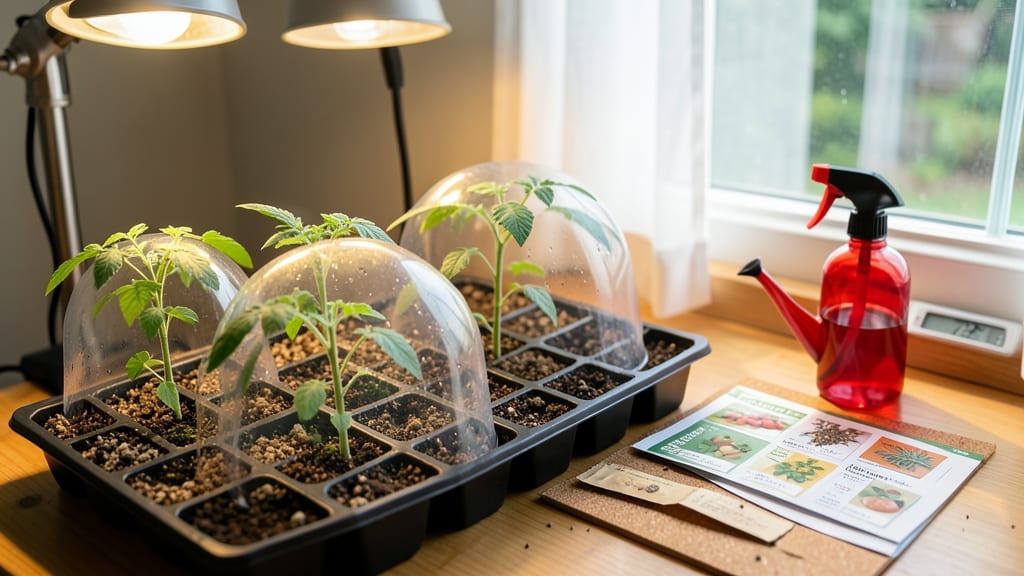
Starting garden seeds indoors at the right time ensures strong, healthy plants ready for transplant when the weather warms up.
Miss that window, and you’re stuck with leggy, overcrowded seedlings or plants that bolt too fast for harvest. I’ve been there—watching my six-foot tomato vines flower before the frost was over was a painful lesson.
Timing depends on your USDA zone, the last frost date, and how long each plant needs to mature. Below, I’ll break down the exact countdowns for Zones 3–10, how to adjust for early or late seasons, and the common mistakes that throw off even the best-laid plans.
With the right schedule, you’ll have perfect seedlings ready to thrive in the garden by summer—no wasted effort or stunted growth.
USDA zone-by-zone indoor seed starting countdowns for peak transplant success
Getting your indoor seed starting timing right means the difference between robust transplants and leggy, struggling seedlings. Each USDA hardiness zone has unique frost dates that dictate when to begin. Cold-hardy crops like kale can start earlier, while heat-lovers such as tomatoes need precise timing to avoid bolting.
Let’s break down the countdowns by zone so you can align your seed-starting schedule with your local climate.
Your last frost date is the anchor point for all calculations. For example, if your zone’s last frost is April 15, you’ll start cool-season crops 6-8 weeks before that date. Warm-season crops need to wait until soil temperatures rise, typically 2-4 weeks after your last frost.
Using this zone-by-zone guide ensures seedlings are ready for transplant when conditions are ideal, not too early or too late.
Here’s a summary table of when to start seeds indoors by USDA zone, including cold-hardy and heat-sensitive crops. Adjust based on your local frost dates and seed packet recommendations.
| USDA Zone | Cold-Hardy Crops (e.g., Kale, Spinach, Peas) | Heat-Sensitive Crops (e.g., Tomatoes, Peppers, Eggplants) | Notes |
|---|---|---|---|
| Zone 3 (-40°F to -30°F) | Start 8-10 weeks before last frost (Feb 15 - Mar 1) | Start 6-8 weeks before last frost (Mar 15 - Apr 1) | Use grow lights for short daylight hours. |
| Zone 4 (-30°F to -20°F) | Start 7-9 weeks before last frost (Feb 28 - Mar 15) | Start 5-7 weeks before last frost (Mar 20 - Apr 10) | Hardened-off seedlings survive light frosts. |
| Zone 5 (-20°F to -10°F) | Start 6-8 weeks before last frost (Mar 15 - Apr 1) | Start 4-6 weeks before last frost (Apr 1 - Apr 20) | Monitor soil temps for warm-season crops. |
| Zone 6 (-10°F to 0°F) | Start 5-7 weeks before last frost (Mar 20 - Apr 5) | Start 3-5 weeks before last frost (Apr 15 - May 1) | Direct sow some crops like beans after frost. |
| Zone 7 (0°F to 10°F) | Start 4-6 weeks before last frost (Mar 25 - Apr 10) | Start 2-4 weeks before last frost (Apr 20 - May 1) | Extend season with row covers for early plants. |
| Zone 8 (10°F to 20°F) | Start 3-5 weeks before last frost (Apr 1 - Apr 15) | Start 1-3 weeks before last frost (Apr 25 - May 10) | Longer growing season allows multiple plantings. |
| Zone 9 (20°F to 30°F) | Start 2-4 weeks before last frost (Apr 10 - Apr 25) | Start 0-2 weeks before last frost (May 1 - May 15) | Consider fall plantings for cool-season crops. |
How to calculate your perfect indoor seed starting window using frost datesStarting seeds indoors at the right time means the difference between a thriving garden and wasted effort. Your last frost date is the cornerstone of this calculation—it tells you when it's safe to transplant tender seedlings outdoors. But how do you find this date and use it to plan? Let's break it down into simple steps so you can avoid common timing mistakes that lead to leggy seedlings or late harvests. First, locate your USDA hardiness zone and average last frost date for your area. These dates vary dramatically—from early March in Zone 10 to late May in Zone 3. Even within the same zone, microclimates (like urban heat islands or valley locations) can shift your frost date by 1-2 weeks. For precise timing, check your local cooperative extension service or use a trusted online frost date calculator. 🌱 1
Find Your Last Frost DateCheck your local last frost date using USDA zone maps or your extension service. Example: Zone 5 typically has a last frost around May 15. 2
Check Seed Packet RecommendationsMost seed packets list weeks before transplant. For example, tomatoes need 6-8 weeks indoors. Subtract this from your last frost date to find your start date. 3
Adjust for Early/Late SeasonsIf you're in a warmer microclimate, start seeds 1-2 weeks later. For cold snaps, start 2 weeks earlier to account for delays. Use row covers to extend your season if needed. 4
Calculate Transplant DateAdd 1-2 weeks to your last frost date for hardened-off seedlings. Example: If your last frost is May 15, transplant tomatoes by May 22-29. 5
Plan for SuccessUse a seed starting journal to track dates. Start fast-growing crops (like radishes) first, followed by medium (lettuce) and slow (broccoli) growers. Once you've calculated your indoor seed starting window, create a schedule to avoid overwhelm. For example, if your last frost is April 30 and you're growing peppers (which need 8-10 weeks indoors), start them by February 20. But if you're in Zone 10 with a last frost of January 15, you might start peppers as late as November 15 for a winter harvest. Don't forget to account for seedling hardening, which takes 1-2 weeks before transplanting. This process acclimates seedlings to outdoor conditions, reducing shock. For heat-loving plants like eggplants, wait until soil temperatures reach 70°F before transplanting, even if frost risk has passed. 🌿 Pro tip: Use a seed starting app or spreadsheet to track multiple crops. Include columns for start date, transplant date, days to maturity, and harvest estimate. This keeps your garden organized and ensures you're not starting everything at once. With this method, you'll have a steady supply of homegrown produce all season long! |