When to Start Gardening Vegetables: Zone-Specific Countdown to Frost-Free Planting

Vegetables

When to Start Gardening Vegetables: Zone-Specific Countdown to Frost-Free Planting

Starting your vegetable garden at the right time means the difference between a bountiful harvest and wasted effort — and the clock begins counting 4-6 weeks before your last frost date, no matter where you live.

Picture this: you’ve spent hours prepping soil, ordering seeds, and dreaming of fresh tomatoes, only to have a late frost turn your seedlings into sad, wilted sticks. That’s why knowing your USDA zone and local frost dates isn’t just helpful—it’s the key to avoiding heartbreak in the garden.

In Zone 6a, like many gardeners, your window opens in March or April, but the exact timing depends on whether you’re planting cool-loving greens or heat-craving peppers. Below, I’ll break down the zone-specific countdown you need to start strong, plus how to adjust for your microclimate.

You’ll learn how to calculate your frost dates, when to start seeds indoors vs. direct-sowing outdoors, and even how to stretch your season with simple tricks like row covers. Ready to turn those 🥕 dreams into reality?

USDA Zone planting calendar: exact weeks before last frost for key vegetables

Getting your vegetable planting schedule right means the difference between a bountiful harvest and wasted effort. Your USDA hardiness zone determines when to start seeds indoors or plant directly in the garden, but the real magic happens in the weeks before your last frost date.

Warm-season crops like tomatoes and peppers need a long, frost-free growing season, while cool-season crops like spinach and peas thrive when planted early. Let’s break down the exact timing for Zones 3 through 10 so you can plan like a pro.

First, identify your last frost date—the average date when temperatures stay above 32°F at night. This date varies dramatically across zones, from early May in Zone 3 to mid-February in Zone 10.

For example, gardeners in Zone 5 might see their last frost around April 15, while those in Zone 8 can start planting as early as February 15. Knowing this date lets you work backward to determine when to start seeds indoors or sow directly in the garden.

USDA Zone Last Frost Date Warm-Season Crops (Start Indoors) Cool-Season Crops (Direct Sow) Direct Sow Warm-Season
Zone 3 May 15 8-10 weeks before last frost (March 1) 4-6 weeks before last frost (April 1) 2 weeks after last frost (May 30)
Zone 4 May 1 8 weeks before last frost (March 15) 4-5 weeks before last frost (March 25) 2 weeks after last frost (May 15)
Zone 5 April 15 7-8 weeks before last frost (February 25) 4 weeks before last frost (March 15) 2 weeks after last frost (May 1)
Zone 6 April 1 6-7 weeks before last frost (February 15) 3-4 weeks before last frost (March 1) 2 weeks after last frost (April 15)
Zone 7 March 15 5-6 weeks before last frost (February 1) 2-3 weeks before last frost (February 28) 2 weeks after last frost (March 30)
Zone 8 February 15 4-5 weeks before last frost (January 15) 1-2 weeks before last frost (February 1) 1 week after last frost (February 22)
Zone 9 January 15 3-4 weeks before last frost (December 15) Direct sow anytime (mild winters) Anytime after risk of frost (January 30)
Zone 10 December 15

How to calculate your local frost dates and adjust planting times

Knowing your local frost dates is the secret weapon for planning a successful vegetable garden. While your USDA hardiness zone gives you a starting point, frost dates—especially the last spring frost and first fall frost—tell you exactly when to plant and when to protect your crops.

Without this information, you might plant too early and risk frost damage or too late and miss your harvest window.

Most gardeners rely on historical frost data from sources like the NOAA Climate Data portal or local weather stations. These records track average frost dates over decades, giving you a reliable baseline.

For example, in Zone 6a, the last spring frost typically falls around April 15, but your exact date could vary by 1-2 weeks depending on your microclimate.

⚠️ WARNING: Frost Dates Aren’t One-Size-Fits-All!

Microclimates matter! A urban heat island can delay frost by 1-3 weeks, while a hilltop garden may frost 2-4 days earlier than the official date. Always check:
  • Elevation: Higher areas frost earlier.
  • Water bodies: Lakes or rivers can extend the growing season.
  • Wind exposure: Open areas frost faster than sheltered spots.
Action step: Monitor your garden’s frost history for 3 years to refine your local dates.

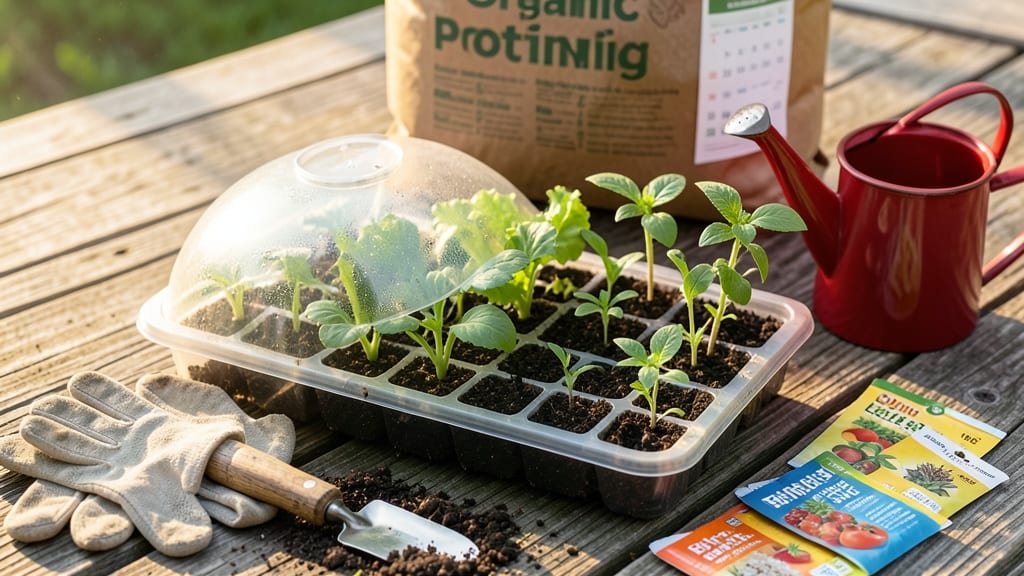
Start by finding your last spring frost date—this is your planting deadline for warm-season crops like tomatoes and peppers. Count backward 4-6 weeks from this date to determine when to start seeds indoors.

For cool-season crops like spinach or kale, you can plant 4-6 weeks before the last frost or even in early fall for a winter harvest.

Soil temperature is another critical factor. Most vegetables need soil to reach at least 50°F for germination, but warm-season crops like cucumbers and beans require 60°F or warmer. Use a soil thermometer to confirm readiness—planting too soon in cold soil can stunt growth or invite disease.

If your soil is still chilly, consider season extenders like row covers or cold frames.

Adjust your planting schedule based on your microclimate observations. For instance, if your garden sits in a sunken area, it may frost later than the official date. Conversely, if you’re on a south-facing slope, you might plant 1-2 weeks earlier than the average.

Keep a gardening journal to track when frost hits your specific spot each year—this personal data will become your most accurate guide.

For fall planting, use your first fall frost date to work backward. Many vegetables, like broccoli and carrots, can tolerate light frosts and may even sweeten in response. Aim to plant these 6-8 weeks before the first frost for a harvest before winter sets in.

If you’re unsure, opt for cold-hardy varieties like kale or rutabaga, which thrive in cooler weather.

By combining official frost data, soil temperature readings, and microclimate notes, you’ll create a planting schedule tailored to your garden’s unique conditions. This precision minimizes risk and maximizes your chances of a bountiful harvest—no more guesswork, just data-driven gardening! 🌱

★★★★★4.8(15 reviews)
Categories Vegetables