
Tools
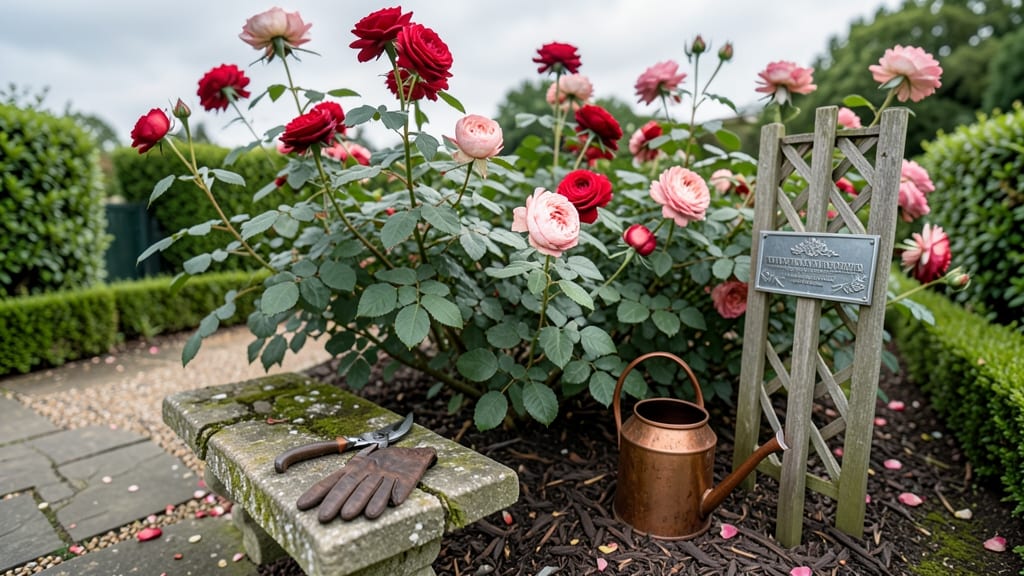
First Lady Jacqueline Kennedy created the White House Rose Garden in 1961, revitalizing a previously neglected area into a stunning floral display with the expertise of landscape architect Rachel Lambert Mellon and horticulturist Henry Winthrop Sackett.
The White House Rose Garden wasn't just a gardening project—it became a symbol of Jacqueline Kennedy's vision for presidential hospitality and cultural diplomacy. 🌹 She saw the overgrown plot as an opportunity to create a space that reflected American elegance while showcasing the country's horticultural traditions.
The garden's design blended Mellon's classical European influences with Sackett's deep knowledge of American roses, resulting in a layout that remains iconic today.
What makes this transformation even more remarkable is how Kennedy's personal passion for flowers shaped the garden's identity. She selected over 100 rose varieties, including rare heirlooms, to create a living tribute that would welcome world leaders and visitors alike.
The collaboration between Kennedy, Mellon, and Sackett didn't just beautify the White House grounds—it established a new standard for presidential gardens that continues to inspire designers worldwide.
💡 In This Article
- Jacqueline Kennedy’s Vision Behind the White House Rose Garden
- Landscape Architects and Horticulturists Who Shaped the Garden’s Legacy
Jacqueline Kennedy’s vision behind the White House rose garden
Jacqueline Kennedy’s transformation of the White House Rose Garden wasn’t just about aesthetics—it was a deliberate statement of cultural renewal. Before her arrival, the garden was a patchwork of overgrown shrubs and neglected beds, a stark contrast to the grandeur of the White House itself.
Kennedy, an avid gardener who grew up surrounded by flowers in her family’s New York estate, saw potential in this overlooked space. She envisioned a garden that would reflect America’s horticultural heritage while serving as a welcoming backdrop for diplomatic events and presidential ceremonies.
The garden’s design principles were carefully chosen to balance functionality and symbolism. Kennedy worked closely with landscape architect Rachel Lambert Mellon, who brought her expertise in classical garden layouts.
They selected a symmetrical design featuring 100+ rose varieties, including rare heirlooms like the 'Mister Lincoln' rose (a deep red hybrid) and 'Queen Elizabeth' (a pale pink climber), which were chosen for their hardiness and visual impact.
The layout included 12-foot-high brick walls to create a private, intimate setting—something Kennedy believed was essential for meaningful conversations between world leaders.
What made Kennedy’s vision unique was her focus on seasonal diversity. While roses were the centerpiece, Mellon and horticulturist Henry Winthrop Sackett incorporated perennial flowers, shrubs, and even a small fountain to ensure year-round interest.
The garden’s 1,200-square-foot footprint was divided into distinct sections: a formal rose bed, a wildflower meadow, and a private seating area for the First Family. This structure allowed the garden to serve multiple purposes—from hosting state dinners to providing a serene retreat for the Kennedys themselves.
The symbolic weight of the garden cannot be overstated. Kennedy understood that foreign dignitaries often form their first impressions of a country through its public spaces. By creating a garden that was both elegant and approachable, she aimed to soften America’s image during the Cold War era.
The roses, in particular, were chosen for their resilience—many varieties thrive in Washington’s humid summers and chilly winters, mirroring the nation’s own enduring spirit. 🌹
One lesser-known detail is how Kennedy’s personal touch extended to the garden’s maintenance. She insisted on hand-pruning the roses—a labor-intensive process that ensures each bloom is perfect—rather than using shears. This meticulous care reflected her belief that even the smallest details mattered in diplomacy.
The garden’s success also relied on Sackett’s botanical expertise; he introduced disease-resistant rose varieties that could withstand Washington’s challenging climate without heavy chemical treatments.
Today, the garden’s layout remains largely unchanged, a testament to Kennedy’s foresight and Mellon’s design principles. The brick walls, the carefully curated rose varieties, and the balance of formal and natural elements all reflect a harmonious blend of tradition and innovation—a legacy that continues to inspire gardeners and designers worldwide.