
Tools
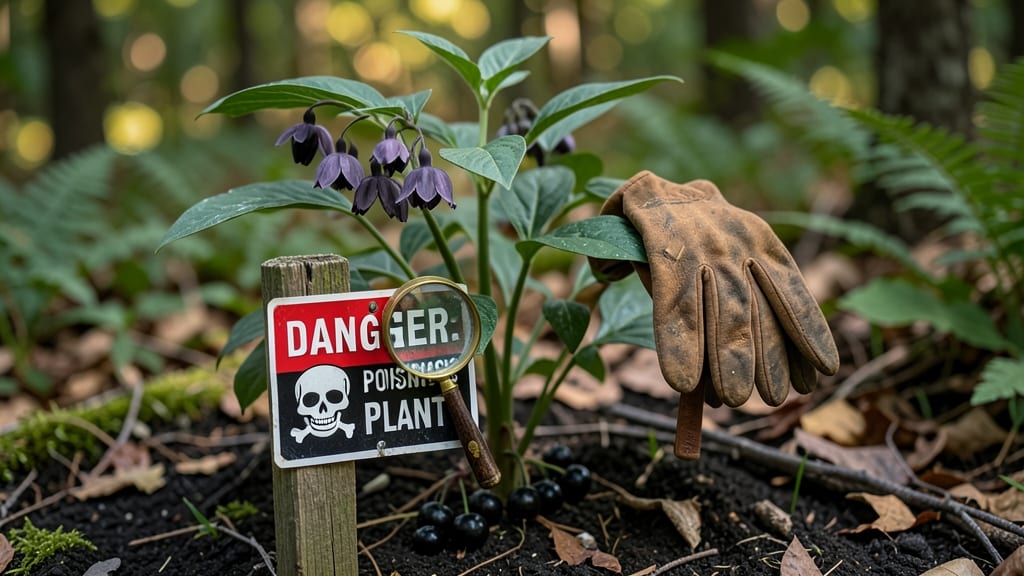
The world's deadliest gardens contain lethal flora like castor beans, oleander, and deadly nightshade, packed with ricin, cardiac glycosides, and alkaloids that can be fatal through ingestion, skin contact, or inhalation. These plants often lurk in neglected or experimental gardens.
Some of these gardens aren't just dangerous—they're designed as living death traps. 🔥 The castor bean plant, for example, releases ricin, a toxin so potent that just 0.0001 grams can kill an adult.
Oleander, with its striking pink flowers, contains cardiac glycosides that disrupt heart rhythms, while deadly nightshade's alkaloids can cause hallucinations or paralysis. These plants thrive in abandoned lots or private collections where curious hands (or pets) might stumble upon them.
What makes them especially insidious is how ordinary they can look. Many deadly plants mimic common garden varieties, so identifying them requires close attention to details like leaf arrangement or seed pods.
Even a small brush against oleander leaves can cause skin irritation or worse, while ingesting just a few castor beans can be fatal within days.
💡 In This Article
- Toxic Compounds in Deadly Garden Plants
- How to Identify and Avoid Deadly Garden Plants
Toxic compounds in deadly garden plants
Ricin, the toxin found in castor beans, is one of nature's most potent poisons. This protein disrupts cellular protein synthesis by binding to ribosomes, essentially halting the body's ability to produce essential proteins.
Just 0.0001 grams (about the weight of a grain of sand) can be lethal to an adult, making it 12,000 times more toxic than cyanide.
The plant's seeds contain 5-8% ricin, but even the leaves and husks carry lower concentrations that can still cause severe illness if ingested or inhaled.
Oleander's danger lies in its cardiac glycosides, compounds that interfere with the heart's sodium-potassium pump. This disruption causes dangerous heart arrhythmias, which can lead to cardiac arrest. The plant's toxins are present in every part—leaves, flowers, seeds, and even the sap.
A single leaf contains enough cardiac glycosides to kill a child, while adults may require ingestion of multiple leaves or stems to experience fatal effects. The toxin's mechanism is similar to digitalis, a medication used in controlled doses to treat heart conditions.
Deadly nightshade (Atropa belladonna) contains atropine and scopolamine, alkaloids that paralyze the nervous system. These compounds block acetylcholine receptors, leading to symptoms like dilated pupils, hallucinations, and respiratory failure. The plant's berries are particularly attractive to children, containing enough toxin to be fatal if just a few are eaten.
Unlike ricin or cardiac glycosides, these alkaloids affect the central nervous system first, creating a high-risk scenario for accidental poisoning.
The potency of these toxins varies by plant part and preparation method. For example, ricin must be processed to remove its protective shell, but even raw castor beans can cause severe gastrointestinal distress.
Oleander's toxins are most concentrated in the leaves, while deadly nightshade's berries pose the highest ingestion risk. Understanding these variations helps explain why some plants are more commonly associated with fatalities than others.
Environmental factors also play a role in toxicity levels. Plants grown in nutrient-rich soils may produce higher concentrations of toxins, while drought conditions can sometimes increase alkaloid production as a survival mechanism.
This variability makes it impossible to assume any part of these plants is safe—even the flowers can contain deadly amounts of cardiac glycosides or alkaloids.
What makes these compounds particularly insidious is their delayed onset of symptoms. Ricin poisoning may not show effects for 6-12 hours, while cardiac glycoside toxicity can take 24-48 hours to become life-threatening.
By the time symptoms appear, internal damage may already be irreversible, making early identification and avoidance critical for survival.