
Companion Plants
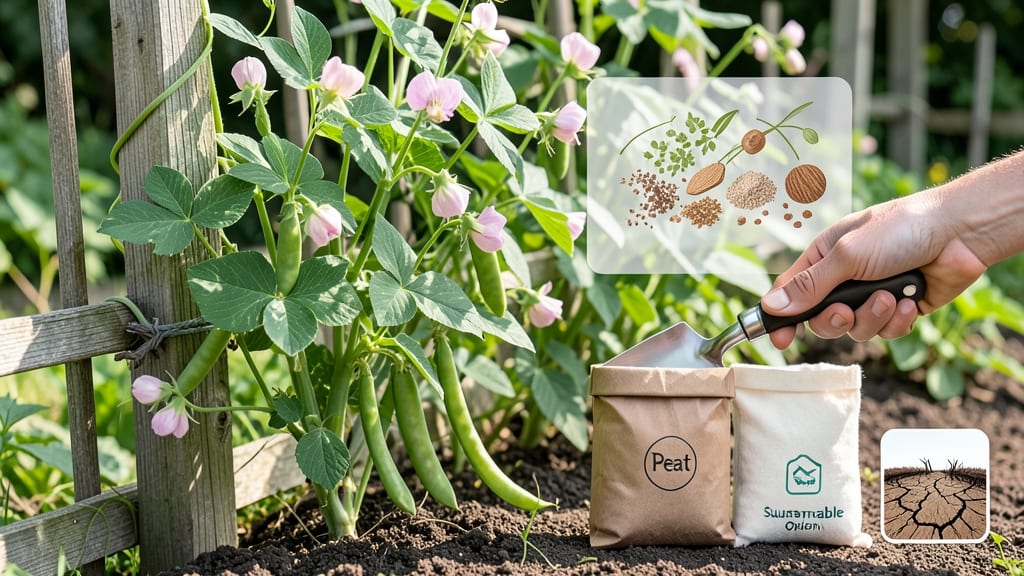
Peat is bad for gardens because its extraction destroys fragile ecosystems, releases stored carbon, and depletes irreplaceable wetlands. Sustainable alternatives like coconut coir or compost improve soil health without harming the environment.
Peat's environmental cost starts with the destruction of peatlands, which act as natural carbon sinks and support diverse wildlife. 🌿 When these wetlands are drained for peat harvesting, they release centuries-worth of stored carbon into the atmosphere, accelerating climate change.
The process also eliminates habitats for rare species like the bog asphodel and disrupts water cycles that entire regions depend on. Even small gardeners contribute to this problem when they use peat-based products, making the switch to eco-friendly alternatives essential for both personal ethics and long-term soil sustainability.
What's worse is that peat's benefits—like moisture retention and acidity—can be perfectly replicated by alternatives without the ecological damage. For example, coconut coir mimics peat's water-holding capacity while breaking down far more slowly, and compost adds nutrients while improving soil structure.
Many nurseries now label products as "peat-free," making it easier than ever to make the switch without sacrificing plant health.
💡 In This Article
- How Peat Extraction Harms Wetland Ecosystems
- Best Peat-Free Soil Amendments for Healthy Gardens
How peat extraction harms wetland ecosystems
Peatlands store more carbon than all the world's forests combined, acting as natural vaults that have locked away CO₂ for millennia. When peat is harvested, these wetlands are drained and oxidized, turning stored carbon into greenhouse gases at a rate of 5-10 metric tons per hectare annually.
This process releases methane—a gas 25 times more potent than CO₂—when anaerobic conditions break down. The UK alone loses 100 hectares of peatland daily, with each hectare taking 1,000 years to form naturally.
The destruction doesn't stop at carbon. Peat extraction disrupts water cycles by lowering groundwater tables, which can dry out surrounding ecosystems.
These wetlands also filter pollutants naturally, so their loss means increased runoff of chemicals into rivers. 🌍 The biodiversity impact is staggering: species like the European mink and carnivorous plants lose their habitats, while rare mosses that take decades to grow are bulldozed overnight.
Even the soil structure degrades, turning fertile peat into compacted, lifeless material within decades.
What makes this especially troubling is that peat's benefits—like moisture retention and acidity—are temporary. Once drained, peatlands never fully recover their original function. The UK's Environment Agency estimates that 95% of lowland peatlands are now degraded, with only 16% remaining intact.
This isn't just an environmental issue; it's a climate crisis disguised as gardening convenience.
Consider this: a single 20-liter bag of peat contains the carbon equivalent of driving 100 miles in a car. For gardeners using 5-10 bags annually, that's like adding 500-1,000 miles of emissions to their carbon footprint—just from soil amendments.
The irony? Peat's moisture retention can actually make plants more vulnerable to drought later, as the soil loses its ability to hold water over time.
There's also the hidden cost of water pollution. When peatlands are drained, they release phosphates and nitrates into waterways, creating algal blooms that suffocate aquatic life. Studies show that 30% of Europe's freshwater species are at risk from this process, including fish populations that entire communities depend on for food.
The long-term consequences extend to agriculture too. Peatlands naturally regulate flooding by absorbing excess water. Their destruction has been linked to increased flood risks in regions like Ireland and the Netherlands, where drained peatlands now contribute to 20% more severe flooding during storms. 💫