
Size
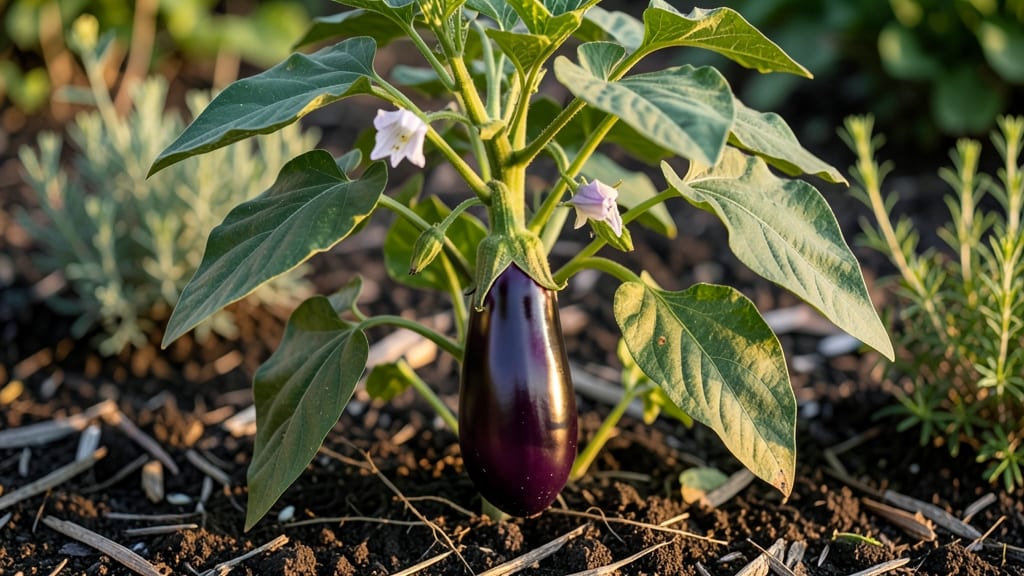
Putting all your eggs in one basket by growing only one type of crop in your garden creates major risks—pests, diseases, and unpredictable weather can wipe out your entire harvest. Instead, planting a mix of vegetables with different growth habits, disease resistances, and harvest times builds a stronger, more reliable garden that produces food consistently throughout the season.
When you rely on just a few plants, your garden becomes vulnerable like a single tree in a storm—one problem can topple everything. 🌱 The solution lies in creating a balanced ecosystem where plants support each other.
For example, tall corn provides shade for beans while they fix nitrogen in the soil, and squash spreads out to block weeds. This isn't just theory; I've seen gardens double their yields by rotating crops yearly and planting flowers like marigolds to repel pests naturally.
The key is thinking like nature does—diversity equals survival.
Start small if needed: even adding a few herbs or flowers between your main crops makes a difference. The goal isn't complexity but creating a system where if one plant struggles, others keep producing.
This approach also gives you fresh harvests over months rather than one big feast followed by empty rows.
💡 In This Article
- How Crop Diversity Protects Against Garden Failures
- Best Companion Planting Strategies for Resilient Gardens
How crop diversity protects against garden failures
Imagine your garden as a business—if you only sell one product and that product fails, your entire operation collapses. That's exactly what happens when you plant only one type of crop. 🌱 Monocultures create ideal conditions for pests and diseases to spread uncontrollably.
For example, potato blight wiped out Ireland's single-crop potato fields in the 1840s, causing mass starvation. The same principle applies today: when thousands of identical plants grow side-by-side, pathogens have a feast with no natural barriers.
Diverse gardens work like a biological insurance policy. Different plants have varying resistance traits—some may resist fungal diseases while others tolerate drought.
For instance, Swiss chard survives better than lettuce in hot weather because its thick stems store more water. 💧 By mixing species with different vulnerabilities, you create what scientists call "ecological redundancy"—if one plant type fails, others compensate. This diversity also disrupts pest life cycles.
Aphids that thrive on carrots won't find their preferred host if you interplant with onions, which release sulfur compounds they avoid.
The soil benefits too. Different root structures prevent nutrient depletion. Deep-rooted dandelions access subsoil minerals while shallow carrot roots utilize topsoil. 🌿 This creates a more stable nutrient cycle than planting only one crop that exhausts specific nutrients.
The Three Sisters method (corn, beans, squash) demonstrates this perfectly: corn provides structure, beans fix nitrogen, and squash suppresses weeds—each plant plays a specialized role in the system.
Climate adaptation is another critical factor. Some plants mature quickly (like radishes in 30 days) while others take months (like tomatoes). This staggered growth means you're never left with empty garden space. 🌱 When one crop finishes, another begins—maintaining continuous production.
The same logic applies to seasonal variations: cool-season crops like spinach thrive when warm-season tomatoes would wilt, creating natural succession.
Even weather patterns become less threatening with diversity. While a sudden frost might kill tender basil, hardy kale often survives. 🌡️ The same goes for heatwaves: leafy greens bolt while root vegetables stay edible.
This built-in flexibility means your garden remains productive regardless of Mother Nature's whims. The data backs this up: studies show diverse gardens experience 30-50% fewer pest outbreaks and maintain yields 20% higher than monocultures.
What most gardeners don't realize is how diversity extends beyond just different vegetables. Flowers like marigolds repel nematodes, while herbs such as thyme deter cabbage moths. 🌼 These "trap crops" create a multi-layered defense system that would be impossible with a single plant type.
The result is a garden that doesn't just survive—it thrives through nature's natural checks and balances.