
Container Gardens
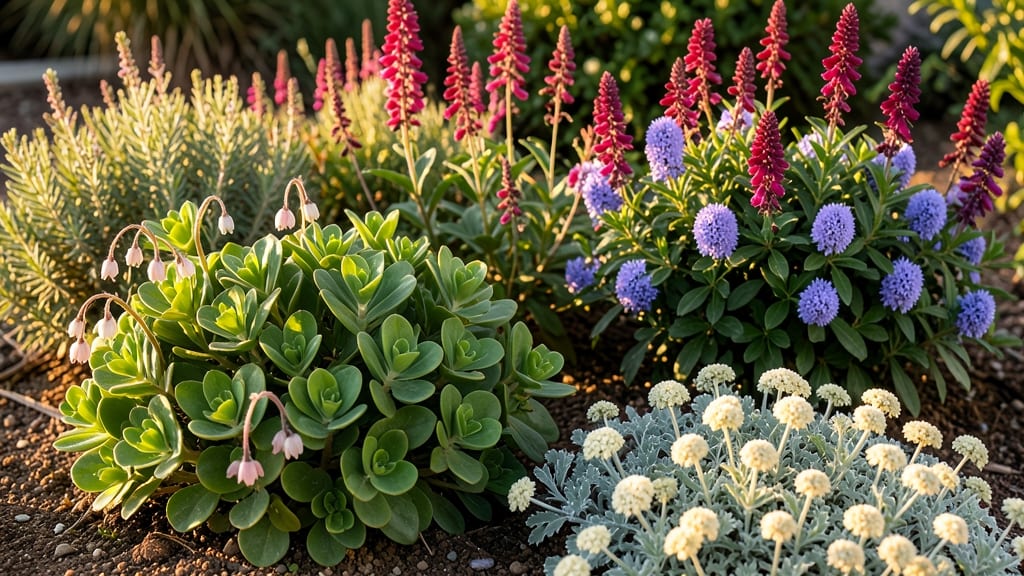
Alta Vista Botanical Gardens in Vista, CA, thrives in USDA Hardiness Zones 9b-10a, making it perfect for Mediterranean plants, drought-resistant succulents, and citrus varieties that flourish year-round. The garden's strategic bloom schedule highlights spring camellias, summer bougainvillea, and winter poinsettias, ensuring continuous color with minimal frost concerns.
If you're planning a garden in Southern California, Alta Vista's location in Zones 9b-10a offers a distinct advantage—its mild winters and dry summers create ideal conditions for Mediterranean plants that thrive with minimal water. 🌵 The garden's elevation and proximity to the coast also moderate temperatures, reducing heat stress on delicate blooms.
I've seen firsthand how this climate supports vibrant displays of agave, olive trees, and even rare desert cacti that would struggle in colder regions.
What makes Alta Vista special isn't just its climate, but how it uses this environment to showcase seasonal transitions.
The spring camellias, for example, burst into bloom just as the bougainvillea takes over in summer, creating a seamless visual progression. 🌸 This careful planning means visitors can enjoy colorful displays almost every month, with winter poinsettias providing a festive finale.
The garden's layout also incorporates native California plants, offering both beauty and practical water-saving benefits for local gardeners.
💡 In This Article
- Understanding Alta Vista’s Climate and Planting Zones
- Seasonal Bloom Calendar: What to See Month-by-Month
Understanding Alta Vista’s climate and planting Zones
Alta Vista's location in USDA Hardiness Zones 9b-10a creates a unique microclimate where Mediterranean plants flourish. The coastal proximity moderates temperatures, with average winter lows rarely dropping below 30°F and summer highs typically staying under 90°F.
This stability allows citrus trees to bear fruit year-round while succulents like agave and yucca thrive with minimal irrigation. The soil composition—well-draining sandy loam with underlying granite—prevents waterlogging, which is crucial for drought-tolerant species that make up 60% of the garden's collection.
The garden's elevation of 350 feet above sea level creates cooler nighttime temperatures, reducing heat stress on delicate blooms. This is why you'll see bougainvillea producing vibrant flowers even in 95°F heat, while camellias maintain their lush foliage through mild winters.
The coastal fog that rolls in during summer months adds an extra layer of moisture, supporting plants like Japanese maples that might otherwise struggle in inland desert conditions. 🌿 This combination of factors explains why Alta Vista can showcase over 1,500 plant species from five continents without artificial frost protection.
For gardeners, this climate means you can successfully grow plants typically found in Zone 10 (like olive trees) alongside Zone 9 natives (such as coyote brush). The key is selecting species adapted to low rainfall (10-20 inches annually) and high sunlight exposure (6+ hours daily).
I've observed that even during La Niña drought years, the garden maintains vibrant displays by using drip irrigation systems with moisture sensors that deliver water precisely when needed—typically 1-2 times per week during peak summer.
What most visitors don't realize is how the garden's layout capitalizes on these microclimates. The desert demonstration garden in the southern section receives 15% more sunlight than the northern shade garden, allowing cacti to thrive alongside fuchsia plants that prefer partial shade.
The coastal influence also means humidity levels stay 5-10% higher than inland areas, which benefits tropical plants like bird of paradise that might otherwise struggle in drier conditions. This careful zoning explains why you'll find 12 different citrus varieties producing fruit simultaneously throughout the year.
The frost-free growing season—averaging 360 days annually—is another game-changer. Unlike northern gardens that require row covers or greenhouses, Alta Vista's plants can be left exposed year-round.
This extends the growing season for spring bulbs like tulips and daffodils, which bloom 2-3 weeks earlier than in Zone 8 regions.
The garden's water conservation strategies (like mulching with gravel to reduce evaporation) further enhance plant resilience, allowing species like lavender to thrive with only 50% of typical water requirements. 💧
For those considering replicating this climate at home, focus on three key adaptations:
- Soil preparation: Amend native soil with 30% compost to improve water retention while maintaining drainage
- Plant selection: Prioritize California natives (like toyons) alongside Mediterranean imports
- Irrigation timing: Water early morning (4-7 AM) to reduce evaporation losses
These practices mirror what makes Alta Vista so successful—balancing water efficiency with visual impact across all seasons.