
Advice
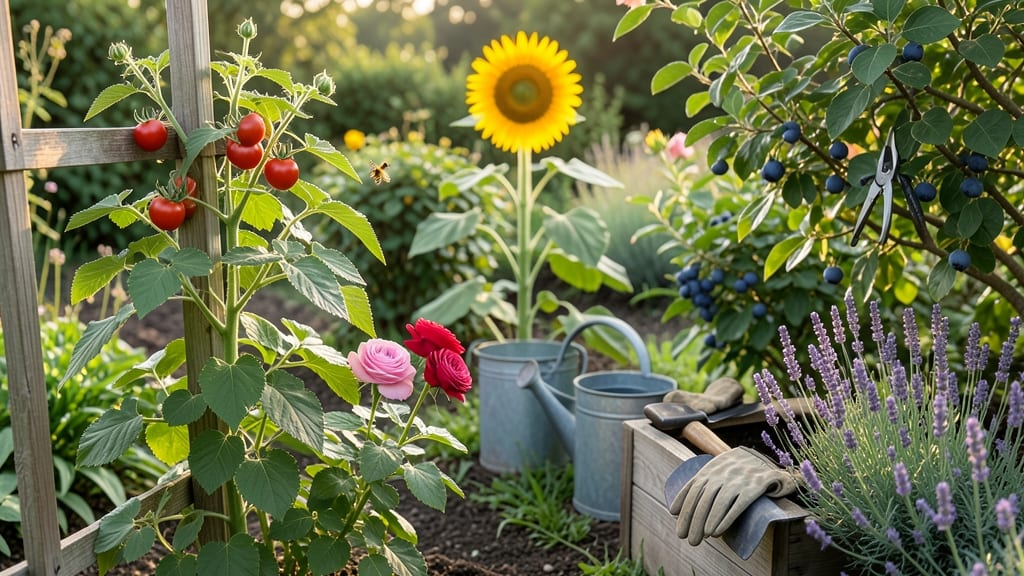
The best states for gardening are California, Oregon, Washington, and Florida for their year-round growing potential, while Michigan, Iowa, and Ohio stand out for hardy crop production thanks to fertile soils and varied climates. Each region provides distinct benefits for different plants and seasonal needs.
When choosing where to grow, climate plays a huge role. 🌱 Coastal states like California and Florida offer longer growing seasons with minimal frost, perfect for tropical plants and citrus trees. Meanwhile, Midwest states like Michigan and Iowa provide rich, nutrient-dense soils ideal for root vegetables and grains.
The key is matching your plants to the region's natural advantages—whether it's Washington's apple orchards or Georgia's peanut fields. For beginners, starting with a state's signature crops can simplify planning and boost success.
What sets these top states apart isn't just climate—it's the local infrastructure too. Many have advanced irrigation systems and extension services that help gardeners of all levels. For example, California's Central Valley benefits from both Mediterranean and desert climates, while Ohio's diverse microclimates allow for both cold-hardy and warm-season crops.
Whether you're growing for pleasure or profit, these regions offer the perfect mix of nature and support.
💡 In This Article
- Climate Zones That Define Top Gardening States
- Top Crop-Specific Gardening States and Their Advantages
Climate zones that define top gardening states
The United States is divided into 13 USDA plant hardiness zones, ranging from Zone 1 (Alaska) to Zone 12 (Hawaii), with each zone representing a 10°F difference in average annual minimum temperatures.
The top gardening states thrive because they span Zones 3-11, creating microclimates that support everything from citrus groves to frost-resistant grains. For example, Florida's Zone 10-11 allows year-round tomato production, while Michigan's Zone 4-6 is perfect for hardy crops like potatoes and kale that survive -30°F winters.
Rainfall patterns further define these regions. California's Mediterranean climate (dry summers, wet winters) makes it ideal for drought-tolerant crops like olives and grapes, while Washington's marine west coast climate provides consistent moisture for apples and berries. Florida's humid subtropical zone supports citrus and tropical fruits, but requires careful pest management.
The frost-free period—a critical factor—varies dramatically: Florida averages 270-365 frost-free days, while Minnesota (Zone 3) has just 90-120 days. This explains why Florida grows oranges commercially, while Minnesota focuses on cold-hardy crops like winter wheat.
What most gardeners overlook is how microclimates within states create even more opportunities. California's Central Valley, for instance, sits in Zone 9-10 despite being surrounded by cooler coastal regions (Zone 8). This heat sink allows for double-cropping vegetables like lettuce and carrots.
Similarly, Ohio's Lake Erie shoreline (Zone 6) creates a moderating effect, extending the growing season by 2-3 weeks compared to inland areas. These nuances mean a gardener in Cleveland can grow peppers successfully, while someone 50 miles inland might struggle.
Soil composition adds another layer. The loamy, glacial till soils of Iowa (Zone 4-5) hold moisture and nutrients perfectly for corn and soybeans, while Florida's sandy, well-draining soils require organic amendments for vegetable gardens.
California's alluvial soils in the Central Valley are naturally rich, supporting 8% of U.S. agricultural output despite covering just 1% of the state's land. This explains why the state leads in both backyard gardening success rates and commercial farming productivity.
For beginners, understanding these zones simplifies plant selection. A Zone 7 gardener in Virginia can safely grow roses and peaches, while a Zone 10 gardener in Arizona should focus on cacti and bougainvillea.
The key is checking the last spring frost date and first fall frost date for your specific location—tools like the USDA Plant Hardiness Zone Map and local extension services provide this data.
For example, San Diego's last frost is typically February 15, while Boston's can occur as late as May 10. This 6-week difference means San Diego can plant tomatoes in January, while Boston waits until June.
Advanced gardeners leverage these zones for season extension techniques. In Zone 5 (like upstate New York), cold frames and row covers add 4-6 weeks to the growing season, while Zone 9 gardeners in Texas use shade cloth to protect heat-sensitive crops like lettuce from 100°F+ summer temperatures.
The science behind this is simple: plant hardiness zones predict survival rates, but growing degree days (GDD)—a measure of heat accumulation—determines when plants mature.
Florida's high GDD totals (3,000-4,000 per year) explain why tropical fruits ripen in months, while Zone 4** states like North Dakota (1,200-1,500 GDD) require shorter-season varieties.