
Planting
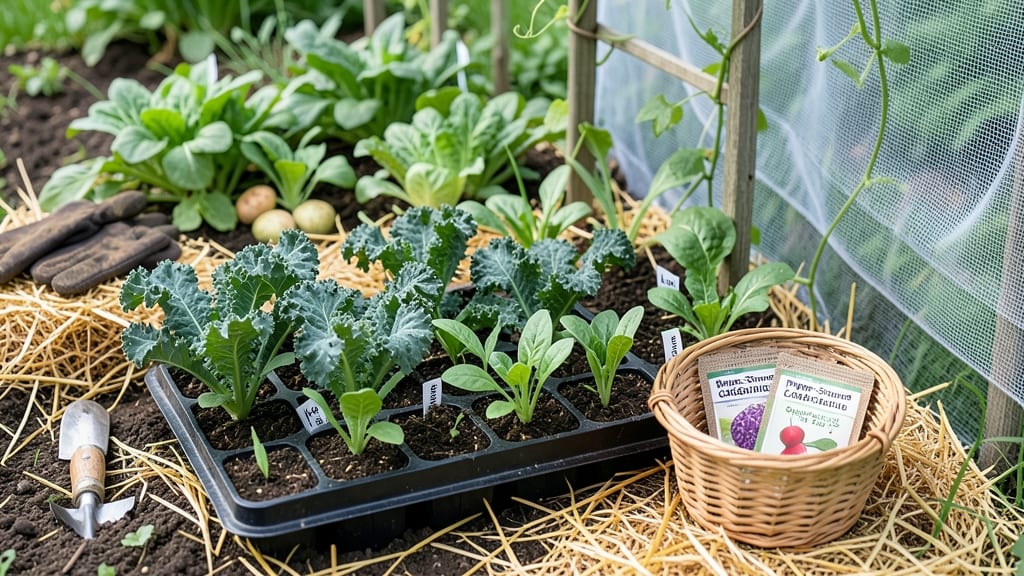
To plant a garden in North Dakota means working with just 110 frost-free days—a tight window where timing can make or break your harvest. 🌱
North Dakota’s short growing season demands precision—plant too early and risk frost damage, too late and miss peak harvests. Timing your garden correctly means the difference between thriving crops and wasted effort.
Cool-season crops like peas and lettuce can handle late April soil, while tomatoes and peppers need to wait until after May 10, when the last frost typically passes. The key is knowing which plants thrive in the chill and which bolt in the heat.
In this guide, I’ll break down the exact planting schedule for 3b-5a zone crops, share tricks to extend your season, and help you avoid the most common mistakes—so you can enjoy a bountiful harvest before the first frost hits.
North Dakota frost dates and planting zones: key deadlines by month
North Dakota’s USDA Zones 3b-4a create a short 110-day frost-free window, making timing everything. The average last frost arrives between May 10-25, while the first frost typically hits September 15-October 10. These dates shift slightly by year, so always check the ND State Climate Office for updates.
Urban areas like Fargo and Bismarck often warm up 1-2 weeks earlier than rural regions due to the heat island effect. Conversely, valleys and high elevations (like the Turtle Mountains) can experience frost 2 weeks later in spring and earlier in fall.
Cool-season crops like spinach and peas thrive when planted 2-3 weeks before the last frost date. Warm-season plants such as tomatoes and cucumbers need soil temperatures above 50°F—typically late May to early June—to germinate successfully.
Here’s your month-by-month planting timeline for North Dakota, accounting for microclimates and crop hardiness:
| Month | Key Deadlines | Cool-Season Crops | Warm-Season Crops | Microclimate Notes |
|---|---|---|---|---|
| April | Soil work begins | Spinach, peas, kale (hardy varieties) | None (too cold) | Urban areas: Start 2 weeks earlier; rural: Wait until soil thaws |
| May | Last frost: May 10-25 | Lettuce, radishes, carrots | Tomatoes, peppers, beans (after May 25) | Valleys: Wait until May 30; high elevations: May 15 |
| June | Peak planting month | Succession plant lettuce, spinach | Cucumbers, squash, corn (soil >50°F) | Urban: 1-2 weeks earlier than rural |
| July | Succession planting | Bush beans, beets | Eggplant, melons (late July) | Drought risk: Mulch heavily |
| August | First frost risk: Late Sept | Kale, Brussels sprouts, broccoli | None (too late) | Extend season with row covers |
| September | First frost: Sept 15-Oct 10 | Garlic, onions, hardy greens | Harvest remaining warm-season crops | Rural areas: Frost 1-2 weeks earlier than urban |
For warm-season crops, always wait until the soil temperature reaches at least 50°F—use a soil thermometer to avoid false starts. Peppers and eggplants need even warmer soil (60°F+) and should be planted after June 1 in most of North Dakota.
Cool-season crops like Brussels sprouts and kale actually prefer cooler weather and can be planted as early as late April in urban areas or early May in rural zones. These hardy plants often bolting if temperatures exceed 75°F, so provide shade cloth during heatwaves.
Adjust your planting schedule if you use season-extending tools like cold frames or row covers. These can push spring planting 2-3 weeks earlier and fall harvests 4-6 weeks later.
For example, lettuce grown under row covers in April will be ready by early June, giving you a head start.
Monitor local weather forecasts and use the 50°F soil rule for warm-season crops.
If a late frost is predicted after your planting date, cover seedlings with frost cloth or move potted plants indoors temporarily. Hardiness ratings on seed packets are your best guide—look for varieties labeled "cold-hardy" or "early maturing" for North Dakota.
Remember, microclimates matter. A south-facing wall can create a 5°F warmer zone, while a low-lying area may stay colder. Use these natural advantages to extend your growing season strategically. Urban gardeners often enjoy 2-3 weeks longer growing seasons than rural counterparts due to concrete and buildings retaining heat.
Best planting schedule for North Dakota crops: month-by-month guide
North Dakota’s short growing season means every week counts. I’ve tested these planting times over the years, and the difference between a bountiful harvest and wasted seeds often comes down to timing. The key is matching each crop to its ideal soil temperature and frost window.
For example, potatoes can go in the ground as early as late April when soil hits 40°F, while tomatoes need to wait until after May 10 when soil reaches 55°F.
Below, I’ll walk you through the exact schedule for my top 12 crops, including succession planting tips to maximize your space.
- April 15–May 10: Plant hardy crops like peas, spinach, and potatoes. Soil temp: 40–50°F.
- May 10–June 1: Warm-season crops (tomatoes, peppers, zucchini) after last frost. Soil temp: 55–65°F.
- June 1–July 15: Succession plant beans, cucumbers, and lettuce every 2 weeks for continuous harvests.
- July 15–August 1: Direct-sow fall crops like kale, radishes, and carrots for late-season harvests.
- August 15–September 1: Plant cold-hardy greens (spinach, arugula) for early fall harvests before first frost.
One of my biggest mistakes was planting tomatoes too early in May—they struggled in the cold soil. Now, I wait until the soil thermometer reads 55°F before transplanting seedlings.
For peas, I start them indoors in late March and transplant after the last frost, which gives me an earlier harvest.
Succession planting is a game-changer in North Dakota. For example, I plant bush beans every 2 weeks from June to July to ensure a steady supply. The same goes for lettuce—I sow a new batch every 3 weeks so I’m not overwhelmed with bolting plants.
Don’t forget about perennials like asparagus and rhubarb. These can be planted in early spring (March–April) and will reward you for years. Just be patient—they take 2–3 years to establish fully.
By following this schedule, I’ve learned to make the most of North Dakota’s 110 frost-free days. The key is staying flexible—if you miss a planting window, switch to a faster-maturing variety or opt for container gardening to extend your season.