
Advice
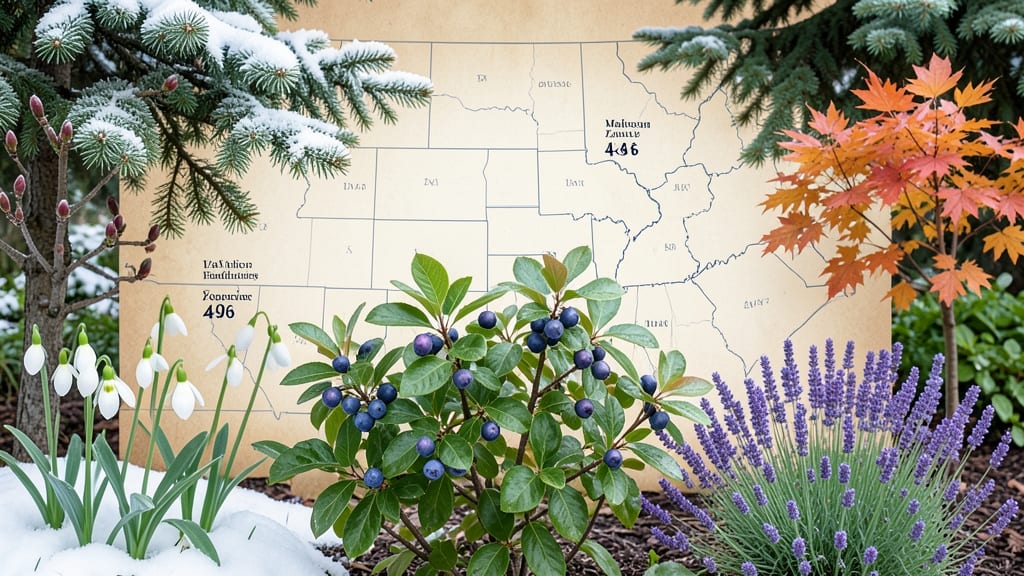
Climate zones in gardening define which plants will thrive in your region by mapping temperature ranges, frost dates, and seasonal patterns. Identifying your USDA zone helps you choose resilient plants and time your planting schedule for the best results.
Understanding your gardening climate zone isn't just about picking pretty flowers—it's about survival. The USDA's 13 distinct zones (now including half-zones) break down average minimum winter temperatures, which directly impact whether a plant will freeze or flourish.
For example, a zone 5 garden can handle -20°F to -10°F winters, while zone 10 plants need protection from 30°F to 40°F lows. Microclimates—like sunny south-facing slopes or shaded valleys—can even shift your effective zone by 1-2 levels, making local observations just as crucial as the official map. 🌱
This system also explains why some plants bloom earlier in warmer zones. In colder regions, gardeners often rely on perennials with deep root systems to survive harsh winters, while tropical zones might focus on annuals that thrive in heat.
The key is matching a plant's hardiness rating to your zone—like planting zones 3-7 peonies in zone 5, but avoiding zone 9 citrus trees in zone 3. Even a 1-zone difference can mean the difference between a lush garden and a sad, wilted mess.
💡 In This Article
- How USDA Plant Hardiness Zones Define Growing Conditions
- Selecting Plants Based on Your Climate Zone
How USDA plant hardiness zones define growing conditions
The USDA Plant Hardiness Zone Map divides North America into 13 zones based on average annual minimum winter temperatures, measured over a 30-year period. Each zone represents a 10°F difference—for example, zone 5 endures -20°F to -10°F, while zone 10 stays above 30°F.
These temperature ranges directly correlate with a plant's ability to survive dormancy, as cold-sensitive species like citrus (zone 9+) or palm trees (zone 8+) lack the biological adaptations to withstand freezing.
The map accounts for frost-free periods, too, which determine growing seasons—critical for annuals that need warm weather to mature.
What most gardeners overlook is how microclimates can shift your effective zone by 1-2 levels within a few feet. A south-facing wall can add 5-10°F warmth compared to a shaded north side, while low-lying areas trap cold air.
Even urban heat islands—where pavement and buildings raise temperatures—can push zone boundaries. For instance, a zone 6 garden near a brick building might safely grow zone 7 plants like hydrangeas or butterfly bushes, while the same species would struggle in a frost pocket just 50 feet away.
This is why gardeners in transitional zones (like zone 6b/7a) often experiment with cold-hardy varieties or use mulch to simulate warmer conditions.
The science behind zone classification involves plant physiology, particularly how cells protect themselves from freezing. Deciduous trees, for example, produce antifreeze proteins during winter that lower their cellular freezing point by 1-5°F.
Evergreens, however, face a trade-off: their year-round foliage loses moisture in cold air, making them more vulnerable to winter burn in zones below their hardiness rating. This explains why zone 5 spruce trees thrive in their native range but may develop brown needles in zone 4 without proper wind protection.
Zone maps also factor in last frost dates, which vary by 2-4 weeks even within the same zone. In zone 7, for example, coastal areas might see frost as late as April 15, while inland regions could freeze until May 1.
This timing dictates when to plant warm-season crops like tomatoes or peppers—starting seeds 6-8 weeks before the average last frost ensures they’re large enough to survive transplant shock. Cold-hardy crops like kale or spinach, however, can handle light frosts and are often planted 4-6 weeks earlier than tender species.
For gardeners in transition zones (e.g., 6a/6b or 7a/7b), the challenge lies in balancing risk and reward. A zone 6b plant might survive a mild winter but perish in a -15°F dip.
To mitigate this, many gardeners use season extenders like row covers (+2-4°F protection) or cold frames (+10°F), or opt for intermediate-hardy cultivars bred to tolerate 1-2 zones colder than their parent plants.
For example, 'Cold Hardy' geraniums (rated for zone 4) can flourish where standard varieties would die back to the ground.
Understanding these nuances transforms gardening from guesswork to strategy. Whether you're a zone 3 gardener pushing the limits with tender perennials or a zone 10 grower avoiding summer wilting, the zone system provides a framework to match plants to their ideal conditions.
The key is observing your local patterns—because even the most precise map can’t account for the quirks of your backyard microclimate. 🌡️