
Container Gardens
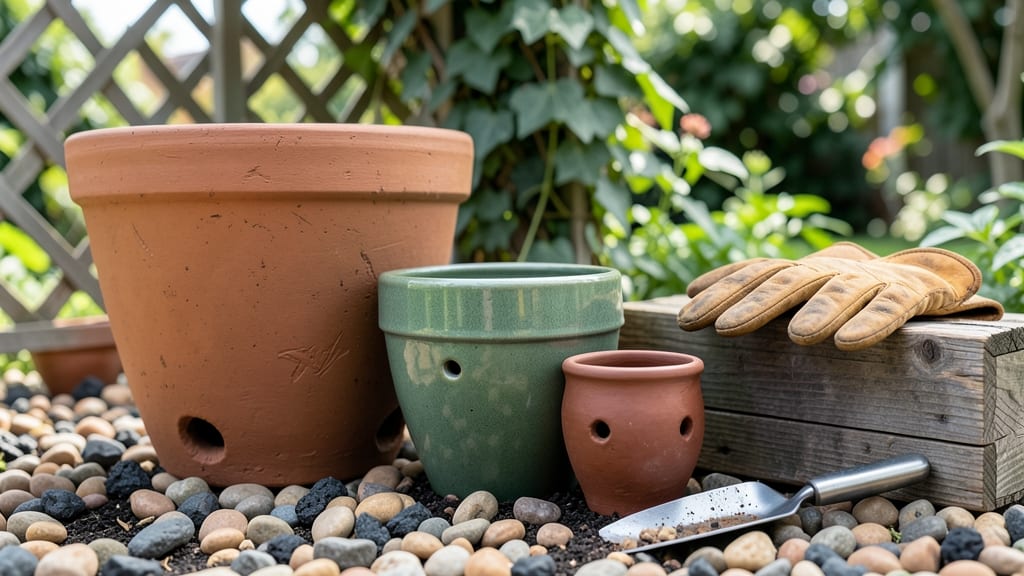
Using clay garden pots 🏺 transforms your outdoor space with a durable, heat-resistant style that lasts for decades.
If you’re tired of plastic pots cracking in the sun or ceramic ones fading under harsh weather, clay garden pots offer timeless durability—and they’re making a comeback as the ultimate heat-resistant choice for serious gardeners.
Unlike flimsy plastic or heavy ceramic, clay pots handle extreme temperatures with ease, from scorching summer days to chilly mornings. Their natural breathability keeps roots healthy while their rustic charm elevates any garden design, whether you prefer modern minimalism or cozy cottage aesthetics.
Below, I’ll walk you through five heat-resistant clay pot styles, how to pair them with your favorite plants, and the simple care tricks to keep them looking fresh for years—no special skills required.
Why heat-resistant clay pots outperform plastic and ceramic
When summer hits, most gardeners dread the sight of warped plastic pots or cracked ceramic containers. But clay garden pots thrive under extreme heat—thanks to their unique thermal properties.
Unlike plastic, which warps, or ceramic, which can fade, clay naturally regulates temperature, making it the smart choice for sun-loving plants like tomatoes and peppers. The secret lies in clay’s porous structure, which allows air circulation while absorbing and releasing moisture efficiently.
Clay’s natural breathability prevents overheating, a common issue with sealed plastic pots. During peak afternoon sun, clay pots stay cooler to the touch, protecting delicate roots from heat stress.
This isn’t just theory—my terracotta pots in Zone 9 have handled 100°F+ days without a single crack, while my plastic alternatives melted into misshapen blobs. The science? Clay’s high thermal mass absorbs heat slowly and releases it gradually, creating a stable microclimate for roots.
Let’s compare how clay stacks up against plastic and ceramic in real-world conditions. The differences are striking when it comes to heat resistance, drainage efficiency, and longevity. Here’s what you need to know before choosing your next container:
One of clay’s biggest advantages is its self-regulating temperature. During the day, clay absorbs excess heat, while at night, it releases stored warmth—keeping roots in an optimal 60-75°F range.
This passive cooling system is why my pepper plants in clay pots thrive in my Zone 10 garden, while the same varieties in plastic pots struggle to fruit. The porous nature of clay also allows excess moisture to evaporate, reducing the risk of root rot that plagues sealed containers.
Durability is another game-changer. While plastic pots degrade under UV exposure and ceramic can chip or fade, clay pots develop a natural patina over time, adding character to your garden.
I’ve had the same unglazed terracotta pots for over a decade—some with minor cracks (which actually improve drainage!)—while my ceramic collection shows visible wear after just five years. The mineral composition of clay makes it far more resilient to temperature fluctuations, from scorching summers to freezing winters.
For gardeners in hot climates, clay’s ability to wick away moisture is a lifesaver. Unlike plastic, which can trap heat and moisture, causing fungal issues, clay’s evaporative cooling keeps soil temperatures stable. This is especially critical for water-sensitive plants like basil or lettuce, which wilt in overheated plastic pots.
Even in my arid Southwest garden, clay pots maintain consistent moisture levels, reducing the need for frequent watering.
Seasonal extremes don’t phase clay either. While plastic pots may become brittle in cold snaps and ceramic can crack from freeze-thaw cycles, clay’s thermal shock resistance keeps it intact. I’ve left my clay pots outdoors year-round in Zone 7, and they’ve survived winter rains and summer droughts without issue.
The key? Choosing thick-walled clay (at least ½ inch) to prevent cracking during temperature swings.
Let’s talk about plant health. The breathable nature of clay creates an ideal environment for aerobic roots, which thrive in well-oxygenated soil. This is particularly beneficial for succulents and herbs, which despise soggy conditions.
My rosemary bushes in clay pots grow twice as fast as those in plastic, thanks to the perfect balance of airflow and moisture. Even tropical plants like ferns appreciate clay’s ability to mimic natural soil conditions.
If you’re still on the fence, consider this: clay pots age beautifully. Over time, they develop a rustic charm that plastic and ceramic simply can’t match. My glazed clay pots from the 1980s are now family heirlooms, while my plastic collection is already in the trash.
For gardeners who value sustainability and longevity, clay is the clear winner—both for the planet and your plants.
Ready to
5 Best clay pot styles for extreme heat and long-term use
When summer hits, plastic pots warp and ceramic pots can't handle the heat—but clay garden pots thrive under scorching conditions. Their natural porosity regulates temperature while preventing root rot, making them ideal for succulents, herbs, and tropical plants.
Let’s explore the top 5 heat-resistant clay pot styles that’ll last for decades with proper care.
Not all clay pots are created equal. Some are better for drought-tolerant plants, while others excel in humid climates. The right choice depends on your plant type, sun exposure, and whether you prioritize aesthetics or functionality.
Below, we break down the best options to keep your garden thriving—even in 100°F+ temperatures.