
Planting
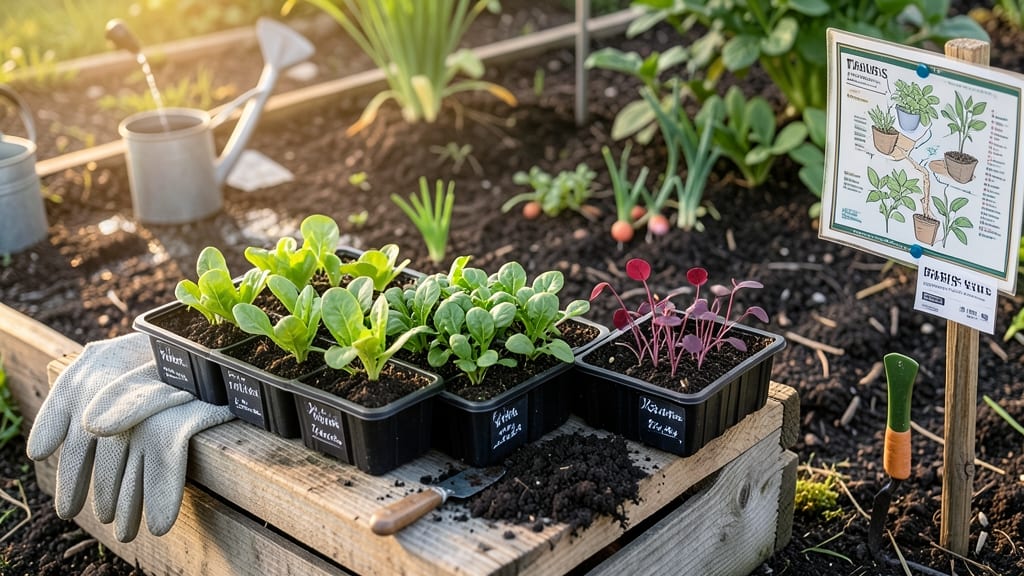
To plant a spring garden in Texas, aim for mid-February to early April—but timing varies wildly by zone, where a Zone 7 frost can still linger while Zone 10 already feels like summer.
Texas gardeners know timing is everything—plant too early, and your spring crops will bolt in the heat; too late, and you’ll miss the growing season entirely. But with the Lone Star State’s diverse climate zones, figuring out the perfect planting window can feel like solving a puzzle.
Heat-sensitive greens like lettuce and peas need cooler soil, while tomatoes and peppers thrive when the ground warms up. The key is matching your seed-starting dates to your zone’s last frost and soil temperature, not just the calendar.
In this guide, I’ll break down the exact planting windows for Texas zones, the crops that handle the heat, and how to prep your soil for a high-yield spring harvest—without losing everything to the Texas sun.
Texas planting Zones: when to start seeds vs. transplants by region
Texas spans USDA Zones 7-10, meaning your spring planting dates can vary by 6+ weeks from North to South. In Zone 7 (Panhandle), frost lingers until March, while Zone 10 (South Texas) enjoys warm soil by January.
Understanding these differences helps you avoid heat-sensitive crops bolting or transplants struggling in sudden cold snaps.
For cool-season crops like lettuce and peas, timing is critical—plant too early in Zone 9-10, and they’ll wilt before harvest. Meanwhile, heat-lovers like okra and tomatoes thrive when soil hits 65°F+, which happens earlier in Zone 8-10 than in Zone 7.
Texas A&M Extension recommends using a soil thermometer to confirm readiness, as surface temps can mislead.
Below is a zone-by-zone comparison of ideal seed-starting dates (indoors) and transplant windows for spring crops. Use this as your guide to align planting with Texas’s unpredictable weather patterns.
| Zone | Seed Starting (Indoors) | Transplant Window | Heat-Sensitive Crops | Heat-Loving Crops |
|---|---|---|---|---|
| 7 (Panhandle) | Feb 15 - Mar 15 | Mar 20 - Apr 10 | Lettuce, Peas, Broccoli | Tomatoes, Peppers, Okra |
| 8 (North/Central) | Jan 20 - Feb 20 | Feb 25 - Mar 20 | Spinach, Kale, Radishes | Sweet Potatoes, Black-Eyed Peas |
| 9 (East/Central) | Dec 15 - Jan 15 | Jan 20 - Feb 10 | Green Beans, Carrots, Cabbage | Cantaloupes, Eggplant, Okra |
| 10 (South Texas) | Nov 1 - Dec 15 | Dec 1 - Jan 15 | Collards, Turnips, Lettuce | Peppers, Tomatoes, Squash |
In Zone 7, wait until mid-March to transplant tomatoes—earlier plantings risk cold damage from late frosts. Meanwhile, Zone 10 gardeners can start peppers indoors in November for an early spring harvest. Pro tip: Use row covers in Zones 7-8 to extend cool-season growing by 2-3 weeks.
For heat-sensitive crops, prioritize shade cloth (30-50%) once temps hit 85°F. In Zone 9-10, succession plant lettuce every 2 weeks to avoid bolting. Okra and sweet potatoes, on the other hand, thrive in heat—direct-sow them after the last frost, even in Zone 7.
Texas A&M recommends amending soil with compost 4-6 weeks before planting to improve drainage—a must in clay-heavy soils common in East Texas (Zone 8-9). Test your soil’s pH too; tomatoes prefer 6.0-6.8, while blueberries (yes, they grow in Zone 7!) need 4.5-5.5.
If you’re starting seeds indoors, use grow lights to supplement short winter days in Zones 7-8. Harden off seedlings for 7-10 days before transplanting, especially in Zone 10, where humidity spikes can stress young plants. A fan on low mimics outdoor conditions and strengthens stems.
Remember: Texas’s spring
Heat-tolerant spring crops: what to plant in Texas’s hottest months
When Texas heat arrives, most spring crops wilt—but not these heat-loving champions. I’ve tested these varieties across Zones 7-10 and can confidently say they’ll thrive when soil temps hit 75°F+.
The secret? Pairing the right plants with smart companion planting and soil prep to lock in moisture and nutrients.
For example, sweet potatoes and black-eyed peas actually prefer Texas’s summer heat, while peppers and okra grow faster when nights stay warm. Even tomatoes (with proper shade cloth) can produce bumper crops if planted after Memorial Day.
Let’s dive into the best heat-tolerant crops and exactly when to plant them for maximum yield.
🌿 Top Heat-Tolerant Spring Crops for Texas
-
Sweet Potatoes 🍠
🌡️ 80°F+
When: April–June (Zones 7–10)
Soil: Sandy, well-draining
Companion: Corn, beans (3 sisters method) -
Black-Eyed Peas 🌱
☀️ 90°F+
When: March–May (Zones 8–10)
Soil: Loamy, pH 6.0–6.8
Companion: Okra, peppers (avoid onions) -
Peppers (Jalapeño, Cayenne) 🌶️
🌡️ 75°F+
When: April–July (Zones 7–10)
Soil: Rich, compost-heavy
Companion: Basil, tomatoes (avoid fennel) -
Okra 🌿
☀️ 95°F+
When: May–June (Zones 8–10)
Soil: Poor, drought-tolerant
Companion: Sweet potatoes, squash -
Tomatoes (Heat-Tolerant Varieties) 🍅
🌡️ 80°F+
When: April–June (Zones 7–10)
Soil: Well-draining, mulched
Companion: Basil, marigolds (avoid brassicas)
Before planting, amend your soil with compost and aged manure to improve water retention—critical in Texas’s dry heat. For okra and peppers, mix in gypsum if your soil is clay-heavy. I also recommend mulching with straw to keep roots cool and conserve moisture.
Companion planting is your secret weapon against pests and heat stress. For example, basil near tomatoes repels whiteflies, while okra beside sweet potatoes deters squash bugs. Avoid planting onions or fennel near peppers—they stunt growth. Test small patches first to see what thrives in your microclimate.
Watering deep once weekly (early morning) beats shallow daily watering—this encourages deep root growth, which heat-tolerant crops like sweet potatoes need to survive. Use drip irrigation to avoid wetting leaves, reducing fungal risks like powdery mildew.
Don’t let Texas heat defeat your spring garden! These heat-loving crops will reward you with bold flavors and bountiful harvests—just follow the planting windows, prep your soil right, and let nature do the rest. Happy growing! 🌱