
How To
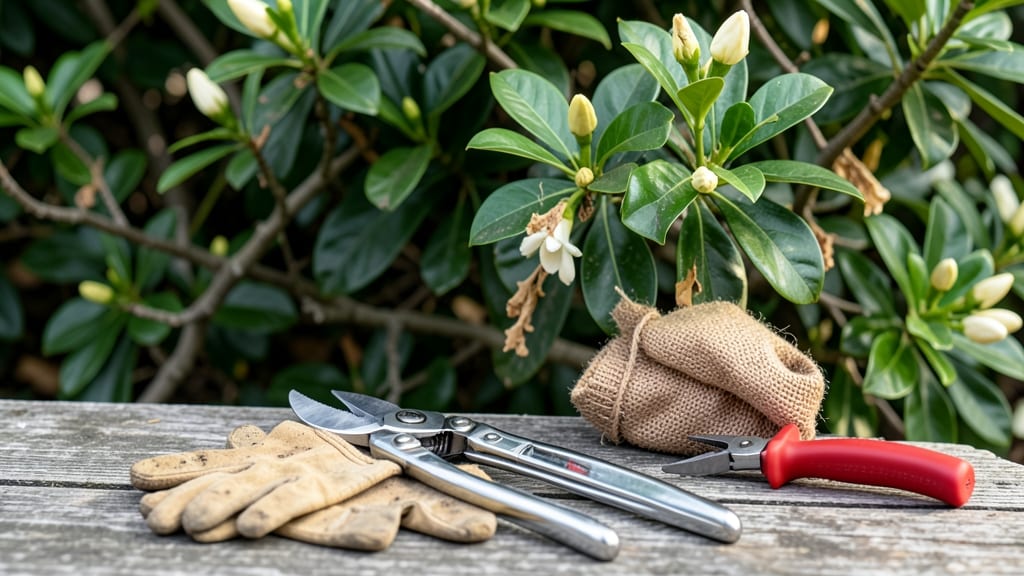
Cutting back your gardenia bush at the right time unlocks showstopping spring blooms—and doing it wrong can leave you with sparse, weak growth.
Picture this: your 🌸 gardenia sits dormant in late winter, its branches bare but full of potential. Prune too early, and you risk stunting next year’s flowers.
Wait too long, and you’ll miss the best window for shaping the bush. The secret? A precise late-winter timing that aligns with your gardenia’s natural growth cycle.
In USDA zones 9-11 (or indoors in colder climates), the ideal moment is just as new growth begins—typically February to early March. This timing ensures you’re not cutting into old wood or disturbing buds already forming.
But regional variations matter: coastal areas may need to delay slightly, while inland gardeners can prune a bit earlier.
Below, I’ll walk you through the exact steps to prune your gardenia—when to make those cuts, how to shape it for maximum blooms, and the three mistakes that ruin your shrub’s spring performance. Let’s get those fragrant blooms ready to shine!
The ideal late winter timing for pruning gardenia bushes
Pruning your gardenia bushes at the right time in late winter is the secret to vibrant spring blooms. This is when your plant enters its dormant phase, making it the perfect window to shape growth without stressing the shrub.
Cutting too early can damage new buds, while waiting too long may encourage overgrowth that steals energy from flowering.
Gardenia bushes thrive in USDA zones 9-11, but even in colder regions, container-grown plants can be pruned indoors during dormancy. The key is aligning your cuts with the plant’s natural growth cycle—just as buds begin to swell but before active growth resumes.
This timing maximizes bloom potential while keeping your gardenia healthy and compact.
In USDA zones 9-11, where gardenias grow outdoors year-round, late January to early February is ideal. This aligns with the plant’s natural dormancy break and ensures you’re not cutting into early spring buds.
Look for leaf buds along the stems—these signal it’s time to prune. In colder zones (7 and below), prune container-grown gardenias indoors in January or February, then transition them outside after the last frost.
Regional climate plays a huge role. In humid subtropical zones (like Florida or Georgia), prune slightly earlier to avoid fungal diseases that thrive in damp winters. Conversely, in drier climates (like Southern California), you can prune a bit later to allow the plant to recover from winter stress.
Always check for new growth—if you see tiny leaves unfurling, you’ve waited too long!
Pruning too early—before late winter’s end—can shock your gardenia, leading to stunted growth or even bloom failure. Conversely, delaying until spring risks overcrowded branches that block sunlight and air flow, creating a perfect environment for powdery mildew.
The goal is to shape the plant while preserving its energy reserves for spring blooming.
For mature gardenias with established canopies, aim to remove 1/3 of the oldest wood to encourage new, vigorous growth. Younger plants (under 3 years old) need only light shaping—focus on removing dead or crossing branches.
Always use sterilized pruners to prevent bacterial infections, and seal larger cuts with pruning paste to protect the plant.
After pruning, give your gardenia a light fertilizer application (like a balanced acid fertilizer) to support new growth. Increase watering frequency slightly to help the plant recover, but avoid waterlogging the roots. Mulch around the base with organic matter to retain moisture and regulate soil temperature as spring approaches.
If you miss the late winter window, don’t panic! You can still prune in early spring, but expect fewer blooms that season. The key is to never prune after mid-spring, as this can remove next year’s flower buds.
Gardenias are forgiving, but timing is everything when it comes to encouraging those iconic white, fragrant blooms.
Pro tip: Mark your calendar for February 1st as your target date—this gives you a 2-week window to prune before active growth begins. In regions with unpredictable winters, err on the side of earlier pruning rather than later.
Your gardenia will thank you with bountiful, fragrant blooms all spring long! 🌸
Step-by-step late winter pruning guide for gardenia bushes
Late winter is the perfect time to prune your gardenia bushes because the plant is dormant but hasn’t yet started forming new buds. This timing ensures you remove dead or weak growth while encouraging healthy spring blooms.
I’ve pruned my gardenias for years, and I’ve learned that precision matters—cut too much or too little, and you risk stunted growth or no flowers at all.
Before you begin, gather your tools: sharp bypass pruners, disinfectant (to prevent disease), and gloves (gardenia leaves can irritate skin). I always sterilize my tools with rubbing alcohol to keep my plants healthy.
Start by removing any dead or diseased branches first—they’ll only drain energy from your bush if left unattended.
When to Cut Back Gardenia Bush
- Check your USDA zone: In zones 9-11, prune in late January to early February before buds swell.
- For cooler zones (8 and below): Wait until mid-February to March after the last frost threat.
- Look for dormancy signs: Branches should be bare or nearly bare of leaves, and no new growth should be visible.
- Avoid pruning too early: Cutting before mid-winter can expose tender growth to frost damage.
- Stop by early spring: Once you see buds forming (usually March-April), pause pruning to protect blooms.
Now for the technique: Focus on shaping your gardenia by cutting just above a leaf node or outward-facing bud. This encourages growth in the right direction. For rejuvenation pruning, I cut back up to one-third of the oldest stems to the ground—this stimulates fresh, vigorous growth.
Just avoid cutting into old, woody stems that won’t regrow.
Watch out for common mistakes like over-pruning or using dull tools, which can tear branches. I once made this error and ended up with a leggy gardenia that took two years to recover.
Always step back after pruning to check the balance of your bush—aim for an open center to allow airflow and sunlight to reach all parts.
After pruning, give your gardenia a light fertilizer (like a 10-10-10 blend) to support new growth. I also add a 2-inch layer of mulch around the base to retain moisture and regulate soil temperature.
Water deeply but avoid soaking the roots, as gardenias hate soggy soil. With this care, your bush will reward you with abundant spring blooms.
Remember, the key to pruning gardenias is patience and precision. Take your time, follow the steps, and your gardenia will thrive. Happy pruning! 🌸✂️🌿