
Vegetables
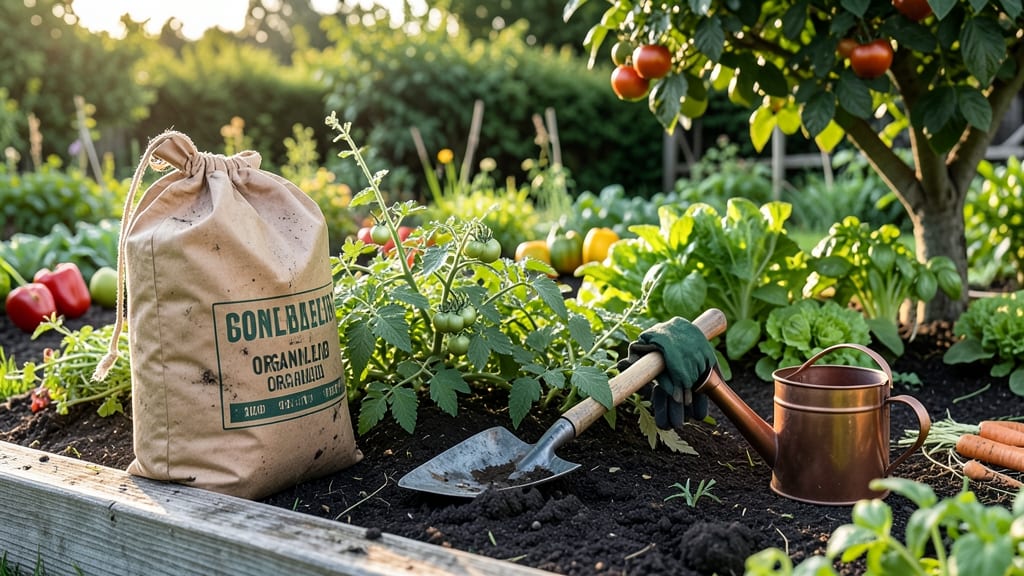
Whether you need fertilizer for your vegetable garden depends on your soil quality—well-amended soil with compost or aged manure often supplies enough nutrients, but nutrient-hungry plants like tomatoes, leafy greens, and corn typically benefit from mid-season feeding for peak production.
Your garden's soil acts like a natural bank account for nutrients, and compost or well-aged manure can replenish what gets used up over time. 🌱 The key is testing your soil first—most home gardens don't need synthetic fertilizers unless you notice yellowing leaves or stunted growth in heavy feeders.
I've found that adding a 2-3 inch layer of compost in early spring often eliminates the need for additional fertilizers entirely, while still delivering the organic matter plants crave.
For plants that demand more—like tomatoes or peppers—side-dressing with a balanced organic fertilizer mid-season gives them the extra boost they need without overloading the soil.
The trick is timing: too much fertilizer too early can lead to lush foliage but fewer fruits, while proper feeding encourages both strong growth and abundant harvests.
Remember, every garden is different. What works beautifully in one raised bed might not be enough for another, especially if you're growing continuously or dealing with sandy soil that drains nutrients quickly.
That's why I always recommend keeping a small soil test kit handy—it's the best way to make informed decisions about what your plants truly need this season.
💡 In This Article
- How Soil Health Determines Fertilizer Needs
- Best Organic and Synthetic Fertilizers for Vegetable Gardens
How soil health determines fertilizer needs
Soil acts like a living ecosystem where nutrients cycle through organic matter decomposition, microbial activity, and plant uptake. Healthy garden soil contains 2-5% organic matter, which provides a steady release of nitrogen, phosphorus, and potassium—the three primary nutrients plants need.
When you add compost or well-rotted manure (like cow or chicken manure aged for 6-12 months), you're essentially feeding the soil's microbial population, which then breaks down organic material into plant-available forms.
This process creates a natural nutrient reservoir that can sustain vegetables for 1-2 growing seasons without additional fertilizer.
The key difference between organic matter and synthetic fertilizers lies in how they deliver nutrients. Organic sources like compost release nutrients slowly as microbes decompose them, mimicking nature's timing. Synthetic fertilizers, on the other hand, provide immediate but short-term boosts that can disrupt this balance.
For example, a 10-10-10 NPK fertilizer delivers equal parts nitrogen, phosphorus, and potassium all at once, while compost might release these nutrients over 3-6 months in a more balanced ratio. This gradual release reduces the risk of nutrient burn while supporting long-term soil fertility.
Watch for visual clues that your soil needs attention. Yellowing leaves on lower stems often signal nitrogen deficiency, while purple stems or leaves indicate phosphorus shortage. Stunted growth or weak stems may point to potassium issues.
These signs typically appear when soil organic matter drops below 1.5% or when heavy feeders like tomatoes deplete nutrients faster than they're replenished.
A simple $20 home soil test kit (available at garden centers) measures pH and nutrient levels, helping you decide whether to amend with compost or apply targeted fertilizer.
Crop rotation plays a crucial role in managing fertilizer needs. Heavy feeders like corn, squash, and tomatoes deplete soil nutrients rapidly, while lighter plants such as beans and peas actually improve soil fertility by fixing nitrogen. Rotating crops every 2-3 years helps maintain nutrient balance naturally.
For instance, planting beans after tomatoes replenishes nitrogen, reducing the need for synthetic fertilizers in subsequent plantings. This rotational approach mirrors traditional farming practices that relied entirely on organic inputs.
Consider the texture and structure of your soil too. Sandy soils drain nutrients quickly, often requiring more frequent feeding, while clay soils hold nutrients but may become compacted. Amending with 1-2 inches of compost annually improves both water retention and nutrient availability.
For example, in my sandy loam garden, I've found that adding compost in early spring and again after harvesting heavy feeders keeps nutrient levels stable without over-fertilizing.
What most gardeners overlook is how soil microbes contribute to nutrient availability. A healthy microbial population can make up to 30% more nutrients accessible to plants through their metabolic processes. This is why over-sanitizing soil with harsh chemicals can backfire—it kills the very microbes that help plants absorb nutrients.
Instead, focus on building soil life through organic amendments, mulching, and avoiding chemical fertilizers that disrupt this delicate balance.